Rodent Inspection in Dallas, TX
The inspection is where a rodent job is decided: which species, which openings, and what each line of the work should cost. It is free here, and it produces a written itemized quote rather than a verbal number.
- No charge for the visit
- Every opening recorded
- Itemized written quote
What a Dallas rodent inspection walks
A proper inspection covers five regions of a house and produces a document, and skipping any of the five is how a job gets misquoted.
- The roofline: soffit returns, fascia gaps, gable and ridge vents, roof returns, plumbing stacks and builder gaps where roof planes meet, checked from a ladder rather than from the ground.
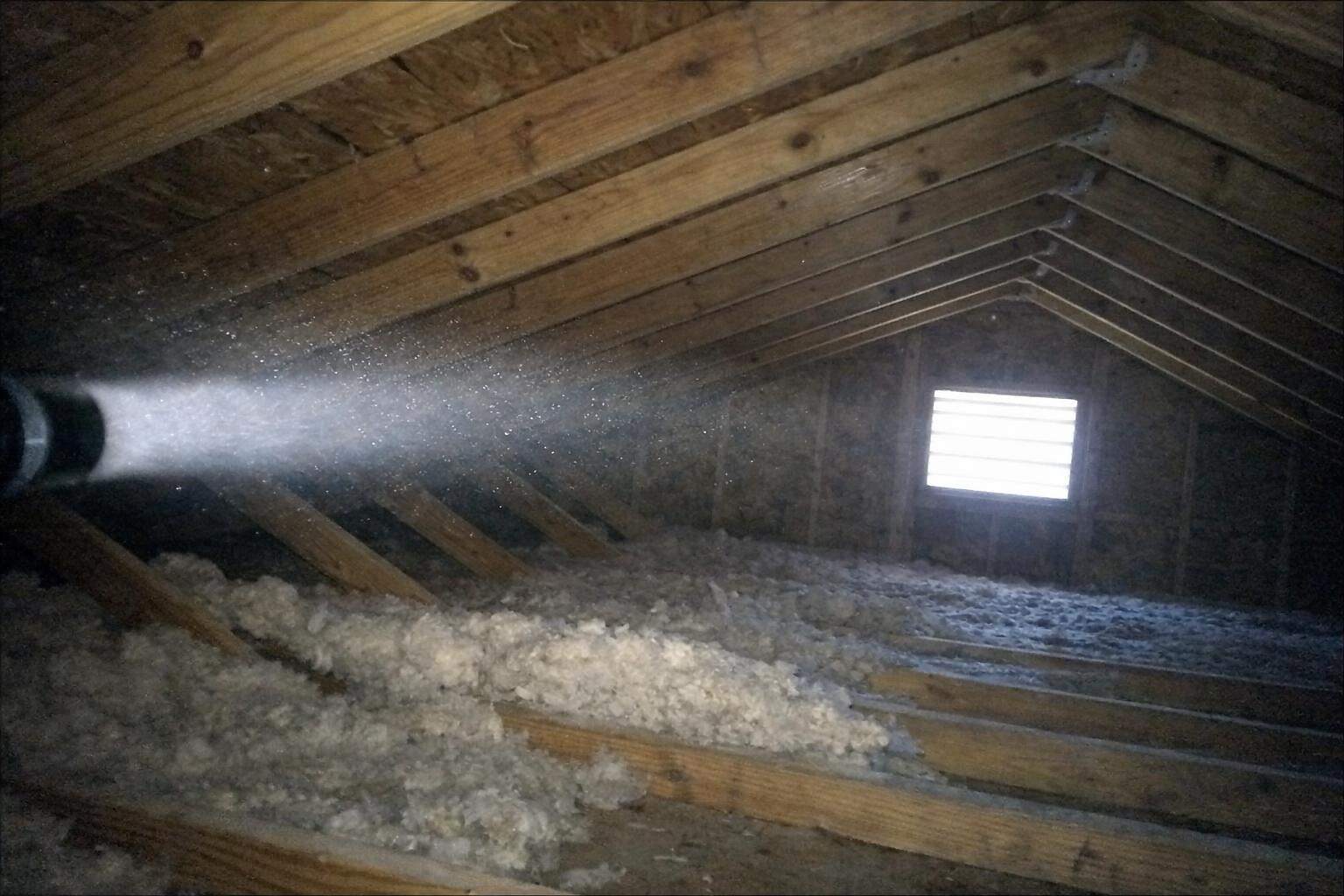
- The attic: droppings, rub marks, urine staining, disturbed or compressed insulation, chewed wiring, and the runs along the top plate and joist bays.
- The brick base course: the weep holes along the veneer, slab edge gaps, the garage door bottom seal and jambs, utility penetrations and vent hoods.
- The crawl space, on homes built before roughly 1965: skirting gaps, foundation vent screens, the access door and subfloor plumbing penetrations.
- The grounds: limbs resting on the roof plane, fence lines and cables running to the eave, wood piles, dense ivy and whatever is feeding them.
The output is a list of openings with locations and a recommended material against each one, a species identification from the evidence, a note on whether the attic needs cleanup, and an itemized quote with trapping, sealing and cleanup priced separately.

How the species gets identified on site
Droppings, rub marks and location settle it, and the answer changes the plan.
Roof rat droppings run a quarter to half an inch long with pointed ends, per UF/IFAS Extension, and they appear in lines along joists and the top plate where the animals travel. That finding, combined with noise overhead after dark, means a roofline job: vents, soffit returns and roof returns, with trapping in the attic. Norway rat evidence sits at ground level instead, around the garage, the base course and the crawl space, and means a different sealing emphasis. Mouse droppings are much smaller and cluster where the animal feeds rather than where it travels, inside cabinets and appliance cavities.
Rub marks are the underrated evidence. A route used hundreds of times leaves dark greasy smears on a rafter edge or at the lip of an opening, which tells you that an opening is in current use and not merely present. That distinction is what lets the sealing be split either side of the trapping: openings with rub marks and fresh droppings stay open for the trap line, and the rest get closed immediately.
Freshness matters too. Dark, soft droppings are recent; pale, dry, crumbling ones are old. A house with nothing but old evidence is a sealing job rather than a trapping job, which is a cheaper quote and an honest one.
Should I have to pay just to get a quote?
Paying a fee for a bid is common in this market and unnecessary, which is why the inspection here carries no charge.
Angi's Dallas figures put inspection fees at $100 to $200 where a company charges one, and HomeGuide's 2026 national guide puts a standalone inspection anywhere from nothing to $175. Homeowners comparing providers describe paying around seventy five dollars for nothing but a bid, which creates a real problem: the sensible way to judge a rodent quote is to put two or three side by side for the same scope, and a fee on each one makes that expensive enough that most people stop at one.
A free inspection removes that barrier and changes what you can ask for. Three contractors walking the same house will come back with different opening counts, different materials and different follow-up structures, and those differences are the information. When comparison costs nothing, a padded quote has nowhere to hide.
There is one thing worth knowing about free inspections generally: the visit is free, and whether the report is yours to keep is a fair question to ask. Here the opening list and the itemized quote are written documents handed over whether or not any work is booked.
What is the cheapest way to find out how bad it is?
A free professional walk beats a DIY attic look, and it beats guessing from the noise.
Three things make the difference. A ladder gets to the soffit returns and the roof return undersides, which cannot be judged from the driveway. A light and a crawl across the attic reaches the runs along the top plate, which is where the droppings and rub marks are rather than near the hatch. And experience reads freshness, so a homeowner who finds droppings and assumes the worst can be told they are two years old.
If you want to narrow it yourself before the visit, the useful checks are short and safe. Walk the outside and look up at the eave corners for a lifted panel or a dark gap. Look along the brick base course for open weep holes, and at the bottom of the garage door for daylight at the corners. Check whether any limb is resting on the shingles. Note what time of day you hear the noise, since after dark points to rats and daylight points to squirrels. None of that needs an attic and all of it makes the call faster.
What does not work is using the noise volume as a gauge of the population. One rat on a plywood deck sounds like a crowd.
What an inspection costs in Dallas, and what it saves
The visit is free here, and the figures below are what the market charges and what the quote it produces is measured against.
| Line item | Published band | Source |
|---|---|---|
| Inspection fee, Dallas, where charged | $100 to $200 | Angi's Dallas figures |
| Standalone inspection, national | $0 to $175 | HomeGuide 2026 national |
| Typical Dallas rat job, all lines | $224 to $1,192, average near $693 | Angi's Dallas figures |
| Follow-up visit | $50 to $150 | Angi's Dallas figures |
| Full restoration, heavy case | $3,000 to $10,000 or more | HomeGuide 2026 national |
The reason the inspection is worth more than its market price is the spread in that last row. The difference between a job that closes out at the bottom of the Dallas band and one that turns into a restoration is usually how long the activity ran before somebody looked. An inspection in September that finds one lifted soffit return and compressed insulation along a single run is a small quote. The same house in March, after a winter of breeding and urine soaking into blown-in insulation, is cleanup and replacement as well.
Every band above is a typical-job figure. The walk produces the number for your address.
What a Dallas inspection looks for that a generic checklist misses
Four local conditions shape the walk here, and all four change what gets written on the list.
The first is the foundation split. Homes built before roughly 1965 in Dallas are mostly pier-and-beam with a crawl space, concentrated in Old East Dallas, Lakewood, the M Streets, Casa Linda, Kessler Park, Winnetka Heights and older Oak Cliff. Almost everything after 1970 is slab-on-grade. That decides whether there is a fourth region to inspect underneath the house, and an inspection that skips the crawl space on a 1930s Tudor has missed the most likely ground-level route.
The second is brick veneer with weep holes. It is the standard wall assembly across the metro, which means the base course carries a row of quarter-inch openings by design on nearly every house. They get counted.
The third is clay soil. Expansive clay under the whole city swells and shrinks through the year, moving foundations and opening gaps at slab edges, weep holes and utility penetrations, which is why the gaps an inspection finds in late August are at their widest and why a house sealed several years ago can need another look.
The fourth is the canopy. Red oaks, live oaks, pecans and cedar elms over the older streets put limbs on rooflines, and UF/IFAS puts a roof rat's range at about 150 yards from its den, so the inspection looks off the property as well as on it. Roof rat removal and rodent exclusion are the two scopes most inspections end up recommending.
What to ask of the inspection itself
Five questions tell you whether an inspection was a survey or a sales call.
- Was the attic entered, or only looked into from the hatch? The evidence sits along the top plate, several yards in.
- Was a ladder used at the eave? Soffit returns and roof return undersides cannot be assessed from the ground.
- Is there a written list of openings with locations? A verbal summary is not a scope.
- Was the crawl space entered on a pre-1965 house? If not, a whole perimeter is unassessed.
- Are trapping, sealing and cleanup priced as separate lines? One bundled number cannot be compared with anything.
Credentials come into it at the method stage. Texas regulates structural pest control through the Texas Department of Agriculture, and rodents are expressly within its scope, so a contractor who will place bait must work under a licensed business with a TPCL number and a certified applicator or technician. Inspection, live trapping and nonpesticidal barrier work are exempt under Texas Occupations Code section 1951.058, so an inspector whose plan is trap-and-seal may lawfully hold no TDA license. The contractors we route hold one where the work requires it. Ask for the TPCL number where bait is proposed and check it on the TDA license search, and ask for insurance documentation before anyone goes on a roof.
Dallas City Code chapters 40 and 27 put the duty to keep a structure rodent-proof on the owner, so the written opening list has a use beyond the quote. How the dispatch works is on the about page; the hours and the downtown address are on the contact page.
Services that usually run alongside this one
A Dallas rodent job is a sequence of separate lines on one quote, and these are the pages for the steps around this one.
- Roof Rat Removal: Trapping the attic rat that dominates Dallas, sequenced with sealing the roofline.
- Rodent Exclusion: Closing the roofline, the weep holes and the garage door to the quarter-inch standard.
- Rodent Clearance Letters: A written inspection report for closings, leases, HOA files and insurance claims.
The order these steps run in is set out on the about page, and a dispatcher will talk it through on the phone at whatever hour you call.
Finding the entry points
Where the openings usually turn out to be.
Video: How to find rodent entry points and seal them, from Pest Protection Plus.
How the free inspection runs
One visit, five regions, and a document at the end of it that prices the work line by line.
-
The phone call
What you hear or have found, where, at what time of day, for how long, and roughly when the house was built. That decides what the inspector brings.
-
Outside and up the ladder
Eave corners, soffit returns, vents, roof returns, stacks and builder gaps checked at close range, then the brick base course, garage door and penetrations.
-
Into the attic
Droppings and rub marks read for species and freshness, runs mapped along the top plate and joist bays, insulation checked for compression and staining.
-
Under the floor, where there is one
Skirting, foundation vents, the access door and subfloor penetrations checked from below on houses built before about 1965.
-
The written quote
Opening list with locations and materials, species identification, a cleanup judgment, and trapping, sealing and restoration priced as separate lines.
Why the inspection is worth booking even if you do nothing with it
Three reasons a free walk changes the outcome of a rodent problem.
No fee, so you can get three of them
Angi's Dallas figures put an inspection fee at $100 to $200 where companies charge, and homeowners describe paying around seventy five dollars for the bid alone. That cost is what stops people comparing quotes, which is the single most effective thing they could do. With no charge, three contractors can walk the same house and the differences between their opening counts, their materials and their follow-up structures become visible.
Angi Dallas: inspection fees $100 to $200 where charged; no charge here
A written document, with figures
The walk produces a written list of openings with locations and a material against each one, a species identification from droppings and rub marks, and a quote with trapping, sealing and cleanup on separate lines. That is what makes a quote checkable against the published bands, and it is the basis of a clearance letter if a sale or a lease needs one later.
Dallas City Code chapters 40 and 27 place the rodent-proofing duty on the owner
Freshness read for what it is
Old evidence and current activity look similar to anyone who has not seen a few hundred attics. Dark soft droppings are recent, pale crumbling ones are not, and rub marks show which openings are in use today. A house with nothing but old evidence gets quoted as a sealing job rather than a trapping job, which is a smaller number. The distinction is also what allows the sealing to be split either side of the trap line instead of done blind.
Roof rat droppings a quarter to half an inch with pointed ends, UF/IFAS Extension
What Reddit Says About Rodent Inspections and Bids
The inspection is where homeowner threads turn practical, because it is the stage where people feel least able to judge what they are being told.
The most common complaint is the fee. Several posters describe paying around seventy five dollars just to get a bid, and the frustration is not the money so much as what it does to comparison: the universally repeated advice is to get multiple bids for identical scope, and a charge on each one makes that advice expensive to follow. People who did pay for three describe opening counts that differed by a factor of two on the same house, which is the argument for doing it anyway.
The second theme is what a thorough inspection looks like. Threads reward the inspector who brought a ladder and went into the attic and are sharply critical of the one who looked through the hatch with a flashlight and quoted from the driveway. People advise asking directly whether the attic will be entered and whether the crawl space will be, because those are the two regions most often skipped and the two where the evidence lives.
The third is the itemized quote. The request that appears in nearly every thread is for trapping, exclusion, cleanup and any monitoring to be separated, and the reason given is always the same: a single bundled figure cannot be compared with the next company's single bundled figure, and a monthly monitoring plan hidden inside a removal price is the structure people most often regret signing. Wildly variable pricing gets mentioned repeatedly, with similar work quoted from under two thousand dollars to tens of thousands, and the only defense people name is an itemized scope.
The questions people say they should have asked are straightforward. What is included and what is a separate line. Will you clean and decontaminate or only trap. How many follow-up visits. Is the exclusion warrantied, and does it renew. The inspection arranged here is free, the attic and the crawl space are entered, and the opening list and the itemized quote are handed over as written documents.
A typical free inspection on a 1940s house in Oak Cliff
The situation: a pier-and-beam house on a hilly wooded lot, bought eight months ago. Occasional noise overhead that the owners cannot place, and a seller's disclosure that mentioned nothing about rodents.
What gets done: the ladder goes up first. Two soffit returns on the uphill elevation have lifted and one shows greasy rub marks at the lip. The attic crawl finds droppings a quarter to half an inch long with pointed ends in a line along the top plate on that side, dark and soft, with insulation compressed along the same line. Underneath the house, the skirting has a gap at a pier bay and one foundation vent screen has rusted out, with older pale droppings but no rub marks. Outside, a cedar elm limb rests across the back slope of the roof.
How it turns out: the list runs to nine openings with a material against each, the species is identified as roof rats with historic ground-level activity that is no longer current, and the quote separates trapping, the roofline sealing, the crawl space sealing, limb clearance and a spot cleanup along the single run. The owners take the document, get a second bid against it, and book the work a week later.
Inspection questions from Dallas homeowners
What callers want to know before they let anyone into the attic.
The visit
How long does the inspection take?
Most Dallas houses take between forty minutes and an hour and a half. A single-story slab house with an accessible attic is at the short end. A two-story with a steep roof, a full crawl space and several elevations of brick to count takes longer, and so does any house where the attic access is awkward. The written quote is normally produced at the visit or sent the same day.
Is the inspection free even if I do not book the work?
Yes, and the documents are yours either way. The opening list with locations and materials, the species identification and the itemized quote are handed over whether or not anything is booked, which is the point of removing the fee: it lets you put two or three bids side by side for the same scope. Angi's Dallas figures put a charged inspection at $100 to $200, and that charge is what stops most people comparing.
Do I need to be home, and does anyone need attic access?
Somebody should be there to let the inspector in and to hear the findings, and attic access is the part that matters most. That means clearing whatever is stacked under the hatch or in front of the closet opening, and knowing where the access is on a house where it sits in a garage ceiling. Crawl space access on an older house means an unlocked or unblocked access door. Everything else is outside.
The findings
What if the inspection finds nothing?
Then the report says so, and that is a useful outcome. Plenty of noises turn out to be squirrels on the roof rather than in it, birds in a soffit, or an HVAC duct. Old evidence with no current rub marks means a house that had rodents and does not now, which gets quoted as sealing rather than trapping. A written finding of no current activity is also what a buyer or a lender sometimes needs, which is handled on the clearance letter page.
Is the person inspecting licensed?
Where the plan requires it. Texas regulates structural pest control through the Texas Department of Agriculture and rodents sit expressly inside that scope, so anyone who will place rodent bait must work under a licensed business with a TPCL number. Inspection, live trapping and nonpesticidal barrier work are exempt under Texas Occupations Code section 1951.058, so a trap-and-seal contractor may lawfully hold no license. Ask which methods are proposed, ask for the TPCL number if bait is one of them, and ask for insurance documentation in every case.
Still have a question? Call (214) 203-5726 and ask.