
Mouse Removal in Dallas, TX
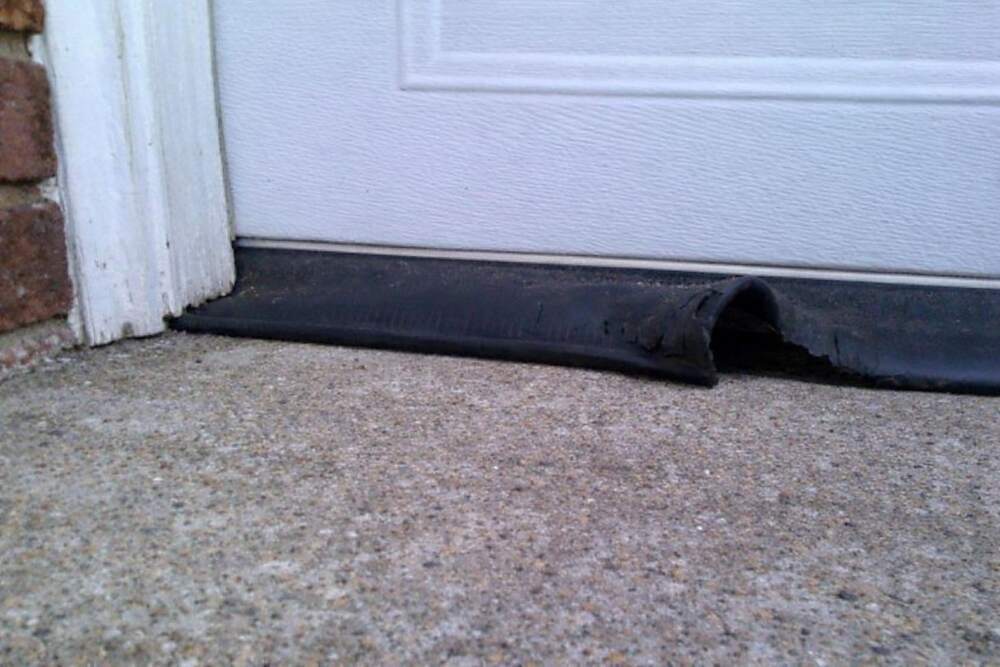
A house mouse gets through an opening of a quarter inch, which in Dallas usually means a brick weep hole or a worn garage door seal. Contractors trap the indoor population and close the gaps that let it in.
- Kitchen and garage trapping
- Weep holes and door seals
- Free inspection, written quote
What a mouse job includes
Mouse work is trapping indoors and sealing at ground level, with a sanitation pass where droppings have built up.
- The walk: kitchen, pantry, under-sink cabinets, appliance voids, laundry, garage, wall cavities at plumbing chases, and the brick base course outside.
- The trapping: snap traps placed along walls and behind appliances where the runs are, rather than out in the open, and checked every few days.
- The sealing: weep hole covers along the brick, a new garage door bottom seal and jamb seals, metal and mortar at pipe and cable penetrations, re-screened vent hoods, and metal at the gaps behind kick plates and cabinet bases.
- The cleanup: droppings vacuumed and surfaces sanitized where the activity has been heavy, particularly inside cabinets and appliance cavities.
Attic work is a separate matter. Noise above a ceiling in Dallas is far more likely to be a roof rat, which is covered on roof rat removal, and the sealing scope written up on its own is rodent exclusion.
Signs the problem is mice
Small dark droppings in a cabinet or behind an appliance are the usual first evidence.
Mouse droppings are much smaller than a rat's, and they turn up in the places a mouse feeds rather than where it travels: inside the under-sink cabinet, in the back of a pantry, on the shelf above a water heater, in the drip tray under a refrigerator. A gnawed corner on a bag or a box, fine shredded paper or insulation gathered into a pocket, and a faint ammonia smell in a closed cabinet all point the same way.
Sound is a weaker signal with mice than with rats. What people describe is a light scratching or a rustle inside a wall or behind the dishwasher, usually in the evening, quiet enough that it gets blamed on the house settling for weeks. Rats are louder and higher up; a mouse is low and faint.
The other tell is a pet. Dogs and cats fixating on the gap under a cabinet or the side of the refrigerator are often the reason a homeowner looks there at all.
How small an opening does a mouse need?
A quarter inch is enough, and that is a smaller gap than most people picture.
UF/IFAS Extension puts a mouse at a quarter inch and a rat at half an inch, with a quarter inch as the rat-proofing standard for sealing work. On a Dallas house the quarter-inch openings are concentrated in four places. The weep holes along the brick base course come first: they are there by design, to drain the cavity behind the veneer, and an uncovered one is a doorway. The garage door is second, at the bottom seal where it has worn or curled and at the side jambs, and a garage that connects to the house gives a mouse the run of the wall cavities. Third are utility penetrations: the gas line, the hose bib, the cable and electrical entries, and the condensate line, each of which leaves a gap in the mortar unless somebody collared it. Fourth are vent hoods whose flaps have broken off.
Inside, a mouse travels in the voids. Plumbing chases, the gap behind a cabinet kick plate, the cavity around a recessed appliance and the space under a bath tub are the routes between rooms, which is why traps go against a wall and behind things rather than in the middle of a floor.
Snap traps, bait and live traps compared
Snap traps are the standard answer indoors, for reasons that are about the house as much as the animal.
| Method | What it does | Where it fits |
|---|---|---|
| Snap traps | Kills on contact and leaves the animal where it can be found and removed. | Kitchens, pantries, garages and wall voids. The default in a living space. |
| Bait | Kills after the animal has gone back to its nest. The EPA describes most rodenticides as anticoagulants, with death four days to two weeks after feeding begins. | Exterior stations only, and by a contractor holding a TDA license. |
| Live traps | Catches the animal unharmed for release, which is exempt from Texas licensing under section 1951.058. | Occasionally used, but a released mouse has a short future and the openings still need sealing. |
| Glue boards | Catches on contact. Slow and unpleasant, and easily contaminated by dust. | Monitoring only, in commercial settings. |
Do I really need the openings sealed, or can I get away with trapping?
Trapping alone handles the mice in the house today and does nothing about the ones arriving next week.
A house mouse population indoors is finite, so a trap line will clear it. The problem is the supply line. A row of uncovered weep holes along the garage side of a brick house is an open route that does not close on its own, and a colony in the flower bed or under the deck will keep using it. Homeowners who trap without sealing describe the same pattern every time: the traps go quiet after a week or two, and the droppings reappear in the pantry a month or two later, usually after the first cool front.
Sealing is also cheaper on a mouse job than on a rat job, because it is nearly all at ground level. Weep hole covers, a garage door seal and a few mortar and metal collars need no ladder work at the roofline, which is where the cost sits on a roof rat job. That makes the sealing line on a mouse quote the best value on the page.
The one case for trapping first and sealing later is a house where the mice are already inside in numbers. Then the quiet openings get closed, the trapping runs, and the last routes are closed once it goes quiet, which is the same sequence used on rats.
What mouse removal costs in Dallas
A mouse job usually sits in the lower part of the published rodent bands, because the work is indoors and at ground level.
| Line item | Published band | Source |
|---|---|---|
| Trapping and removal | $250 to $1,200 | HomeGuide 2026 national |
| Sealing, whole house | $500 to $2,500 | HomeGuide 2026 national |
| Dallas rodent work, typical job | $224 to $1,192, average near $693 | Angi's Dallas figures |
| Follow-up visit | $50 to $150 | Angi's Dallas figures |
| Standalone inspection | $0 to $175 (no charge here) | HomeGuide 2026 national |
Three things move the figure. How many weep holes run along the base course, which on a long brick elevation can be dozens. Whether the garage door needs a bottom seal alone or jambs as well. And whether the droppings inside cabinets and appliance cavities need a sanitation pass, which is quoted on its own. A small slab house with one affected elevation is a modest job; a larger house with an attached garage, a utility room and several penetrations costs more because the opening count is higher.
Every figure above is a typical-job band. The free inspection produces the quote, with trapping, sealing and any cleanup as separate lines.
What is and is not Dallas-specific about mouse work
Very little about a house mouse is local, and saying so is more use than inventing a Dallas angle.
The house mouse is the commensal indoor species across the country, it behaves the same in Garland as it does anywhere else, and the trapping and sealing answers are the same. The deer mouse occurs in Texas but keeps to sheds, barns and outbuildings rather than kitchens. What is local is the construction and the calendar: brick veneer with weep holes is the Dallas norm rather than an exception, expansive clay soil opens gaps at slab edges and penetrations through the summer, and mild winters mean breeding carries on most of the year with the indoor pressure rising as the first cool fronts arrive in late September or October.
The practical effect is that a Dallas mouse job leans harder on the base course than it would in a region of poured walls or crawl-space-only housing, and that the best month to seal is late August or September, before the animals start looking for somewhere warm.
What to ask before a mouse contract is signed
Four questions cover the ground on a job this size.
- Is the sealing included, and what gets sealed? A weep hole count and a garage door line should appear in writing.
- How many trap checks are in the price? Angi's Dallas figures put follow-up visits at $50 to $150, so it matters whether yours are counted.
- Is bait part of the plan, and where? Bait in a kitchen is the wrong answer; exterior stations need a TDA-licensed contractor.
- Is there a monthly plan attached? A monitoring contract folded into a removal price is the most-criticized quote structure in homeowner discussions, and it should at least be visible as its own line.
On licensing, structural pest control in Texas is regulated by the Texas Department of Agriculture, and rodents sit expressly within that scope. Placing rodent bait for hire requires a licensed business with a TPCL number and a certified applicator or technician. Snap trapping and nonpesticidal sealing fall under the section 1951.058 exemption, so a trap-and-seal contractor may lawfully hold no TDA license. The contractors we route hold one where the job requires it. Ask for the TPCL number if bait appears on your quote, check it on the TDA license search, and ask for insurance documentation whatever the method.
How the dispatch works is described on the about page, and the hours and the downtown address are on the contact page.
Services that usually run alongside this one
A Dallas rodent job is a sequence of separate lines on one quote, and these are the pages for the steps around this one.
- Rodent Exclusion: Closing the roofline, the weep holes and the garage door to the quarter-inch standard.
- Rodent Inspection: A free walk of the roofline, attic, brick base course, garage and any crawl space.
- Attic Cleanup and Decontamination: Vacuuming out the droppings and nests, bagging the soaked loose fill, then treating the deck.
The order these steps run in is set out on the about page, and a dispatcher will talk it through on the phone at whatever hour you call.
Getting ahead of a mouse problem
Why speed matters with a breeding population.

Video: The best way to get rid of mice quickly, from Clay's DIY Pest Control.
How a mouse job runs in Dallas
Indoor trapping and ground-level sealing, in an order that clears the house before it is closed up.
-
Describe what you found
Where the droppings are, which rooms, how long it has gone on, and whether the garage connects to the house. That sets the likely route before anyone visits.
-
Free inspection
Kitchen, pantry, cabinets, laundry, garage and the brick base course outside, with droppings identified, runs mapped and every quarter-inch opening recorded.
-
Close the outside gaps
Weep hole covers, a new garage door bottom seal and jamb seals, mortar and metal at utility penetrations, and re-screened vent hoods.
-
Trap the indoor runs
Snap traps along walls and behind appliances rather than in open floor space, checked and reset every few days until two checks come up empty.
-
Clean and close out
Droppings vacuumed and affected cabinets and appliance cavities sanitized, the last interior gaps closed with metal, and the closure list handed over.
Why Dallas homeowners route mouse work through us
A mouse job is small enough that the details are the whole difference.
Traps set on the runs a mouse uses
A house mouse travels with one side against a wall and moves between rooms through plumbing chases and the voids behind cabinets and appliances. Traps set out in open floor space catch almost nothing, which is why a DIY attempt so often produces two weeks of untouched traps. The placement on a contracted job follows the droppings and the rub marks, behind the range, under the sink, along the garage wall plate, and the traps stay until two checks come up empty.
A mouse passes a quarter-inch opening, UF/IFAS Extension
Every weep hole counted
Weep holes are the most-missed opening on a Dallas mouse job, because they look like part of the wall and they are. They exist to drain the cavity behind brick veneer, so the correct closure is a stainless or copper cover that stops anything a quarter inch or larger and leaves the drainage path clear. An elevation can carry thirty or forty of them, and the count goes on the quote as a number rather than being described as sealing the exterior. UF/IFAS puts a mouse at a quarter inch, which is exactly the dimension a weep hole offers.
Brick veneer with weep holes is the standard wall assembly across DFW
No bait indoors
The EPA describes most rodenticides as anticoagulants, with death coming four days to two weeks after feeding begins, which means an animal baited in a kitchen dies inside a wall or a cabinet base. That turns a small job into a search for a carcass. Snap traps leave the animal where it can be found and removed on the same visit. Where exterior bait stations do belong, the contractor placing them holds a TDA license and the TPCL number is yours to check.
EPA: most rodenticides are anticoagulants, killing four days to two weeks after feeding
What Reddit Says About Getting Rid of Mice
Mouse threads are the most practical corner of the homeowner forums, and the advice in them converges hard on two things: snap traps in the right place, and find the hole.
The first recurring lesson is about trap placement. People describe weeks of untouched traps sitting in the middle of a kitchen floor, then catching three mice in two nights once the traps moved against the wall behind the refrigerator. The second is about bait, and the tone is sharper. Anyone proposing poison in a kitchen gets talked out of it by several people describing the smell that arrived a week later, and the folklore about poison making the animal thirsty so it goes outside to die gets corrected every time it appears.
On hiring, the vetting advice is the same as on the rat threads. Get more than one bid for the same scope. Ask for an itemized quote that separates trapping, sealing and any cleanup. Ask whether the company does the repair work or only sets traps, because people report paying for three months of service calls and finding the same uncovered gaps at the end of it. A monthly monitoring contract bundled into the removal price is the structure people most often say they regret, partly because cancelling it is tied to the warranty.
The aftermath gets discussed more in mouse threads than in rat threads, because the droppings are in food storage. People ask what to throw out and how to clean, and the sensible answers involve a respirator or at least a mask for dusty droppings, wet cleaning rather than sweeping, and discarding anything in a gnawed package. There is also a real thread of frustration about feeling dirty in your own kitchen, which is worth taking seriously rather than minimizing.
The contractors we route set traps in the runs rather than the open floor, count the weep holes and the door seals on the quote as their own line, keep bait out of living spaces, and will say which of the cleanup is included before anything is signed.
A typical mouse job in a Richardson kitchen
The situation: a 1970s single-story brick house on a slab with an attached garage. Droppings behind the range and in the cabinet under the sink, a gnawed bag of dog food in the garage, and a dog that will not leave the side of the dishwasher alone.
What gets done: the inspection finds eleven uncovered weep holes along the garage elevation, a garage door bottom seal worn through at the hinge end, and a gas line penetration with the mortar cracked out. Inside, runs show along the wall plate in the garage and behind the dishwasher through the plumbing chase. The weep holes take covers that keep the drainage clear, the door gets a new bottom seal and both jamb seals, the penetration is packed with mortar and metal, and snap traps go in behind the range, under the sink, in the chase and along the garage wall.
How it turns out: five catches in the first four days, one at the second check, nothing at the third. The under-sink cabinet and the range cavity are vacuumed and sanitized as a separate line, and the closure list runs to fourteen items.
Mouse questions from Dallas homeowners
The questions that come up once the first droppings are found.
Finding and trapping them
How long does it take to get rid of mice?
A few days to a couple of weeks for the animals inside, on HomeGuide's timeline of two to three days for a light infestation and up to one to two months for a heavy one. Mice breed quickly and a population that has been established through a winter takes longer than one that arrived last month. The part that decides whether it comes back is the sealing, because an uncovered weep hole or a worn garage door seal will keep letting new animals in after the last trap has gone.
Where should the traps go?
Against a wall, behind things, on the runs. A house mouse travels with one flank touching something solid and moves between rooms through plumbing chases and the voids behind cabinets and appliances, so the productive spots are behind the range, under the sink, in the cabinet base, along the garage wall plate and at the cavity around a recessed appliance. Traps in open floor space get ignored. Placement on a contracted job follows the droppings and the rub marks rather than guesswork.
Can I just use bait in the kitchen?
Bait in a living space is the wrong tool, and the reason is where the animal dies. The EPA describes most rodenticides as anticoagulants, with death coming four days to two weeks after feeding starts, so the mouse goes back into a wall cavity or a cabinet base and dies there. Snap traps leave the animal where it can be removed. Placing rodent bait for hire in Texas also requires a TDA license, so any quote including it should come with a TPCL number you can check.
Afterward
Do the droppings in my cabinets need professional cleaning?
Often the affected cabinets and appliance cavities are worth paying for, and the rest you can handle. Droppings are vacuumed rather than swept so the dust is not raised, surfaces are sanitized, and anything in a gnawed package goes out. Respiratory protection during droppings cleanup is a sensible general precaution. Heavier contamination in an attic is a different scope entirely and is covered under attic cleanup.
Will the mice come back next fall?
Only through an opening. Mild winters here mean breeding runs most of the year and the indoor pressure climbs with the first cool fronts in late September or October, so the outside population is always there. What changes the outcome is whether the quarter-inch openings were closed: the weep holes, the garage door, the penetrations and the vent hoods. Clay soil movement through a hot summer can open new gaps at slab edges, so a house worth sealing once is worth a look again in a few years.
Still have a question? Call (214) 203-5726 and ask.