
About Rodent Removal Dallas
One phone number, answered around the clock, that puts a Dallas homeowner in front of a rodent contractor with a free inspection and an itemized quote.
- Downtown office on Pacific Avenue
- Five-county coverage
- License position you can verify
What the phone line is for
Calls land with a dispatcher rather than a voicemail box, at whatever hour the noise starts. The first few minutes are spent working out what is actually in the building: which room the sound sits over, whether it runs at dusk or after midnight, how many nights it has gone on, and roughly when the house was built. Age and foundation type narrow the species before anyone drives out, and they decide whether the visit is a routine roofline walk or a slot that has to move faster. Spanish-speaking callers are welcome.
The nearest contractor holding the right TDA credential is then booked for a free inspection, and that inspection is the whole product. It covers the roofline, the attic, the brick base course, the garage and any crawl space, with every opening the animal can use recorded and photographed. The quote is written from those notes, with trapping, sealing and cleanup priced on separate lines so none of it disappears into a single figure.
The office is at 1910 Pacific Ave in downtown Dallas. Anything in writing goes through the form on the contact page, though no figure is ever given off a form without the walk that produces it.
What to expect on the job
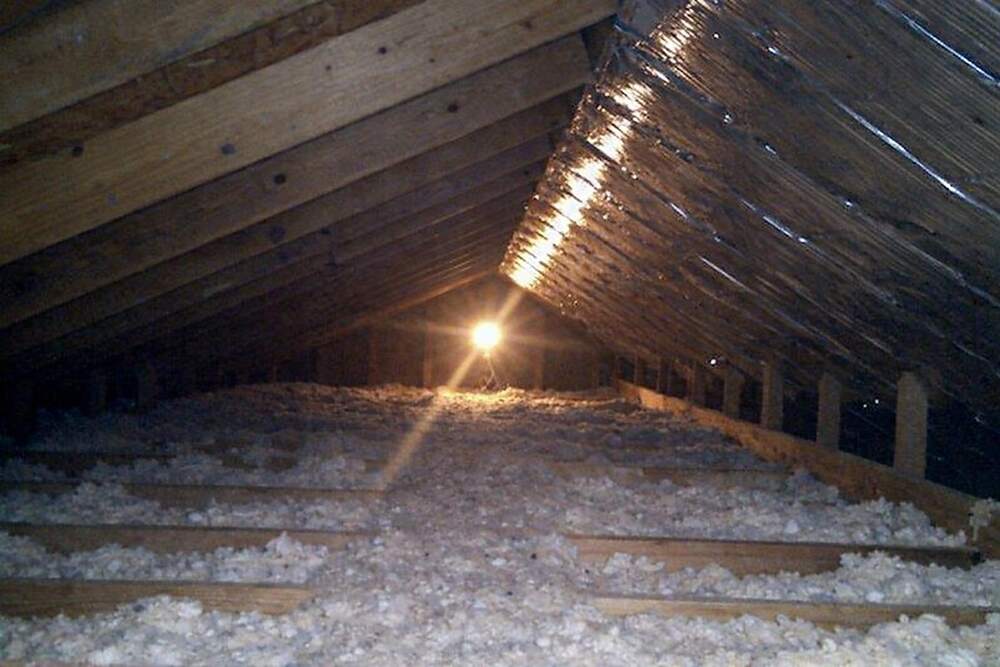
Expect a ladder at the eave and a light under the house before anyone goes into the attic, because a Dallas house is entered from both ends. Soffit returns, gable and ridge vents, roof returns, builder gaps and plumbing stacks are checked first from the roofline; then the weep holes along the brick base course, the garage door seal and, on a pier-and-beam home, the skirting and foundation vents; then the attic for droppings, rub marks and disturbed insulation.
Expect the sealing to be discussed before it is sold. Quarter-inch hardware cloth, sheet metal at the roof returns, stainless or copper weep hole covers that keep the brick draining, and a new garage door seal are the materials that hold; expanding foam on its own is the thing a cheap quote usually means. Expect a trap line to sit for a week at minimum, because UF/IFAS records the roof rat as wary of anything unfamiliar, and expect the final closures to wait until two checks come up empty.
Expect plain talk about how long it takes. HomeGuide puts trapping a handful of animals at two to three days and a heavy infestation at one to two months, and the sealing is what gives that timeline an end.
The license position to check before work starts
Structural pest control in Texas is regulated by the Texas Department of Agriculture through its Structural Pest Control Service, under Occupations Code chapter 1951, and rodents are expressly inside its scope. Any contractor placing rodent bait for hire must work under a licensed business with a TPCL number and a certified applicator or technician in the pest control category. Section 1951.058 exempts work done without a pesticide: using a live trap to remove an animal from a residence or business, and installing or maintaining a nonpesticidal barrier to keep nuisance animals out. Trap-and-seal exclusion is therefore lawful without a TDA license, and many Dallas-area wildlife firms operate that way. Rats and mice are not regulated by Texas Parks and Wildlife.
The contractors we route hold a TDA license where the work requires one, and any contractor placing bait must. Ask for the TPCL number and check it on the TDA license search before bait goes down, and ask to see proof of insurance whatever the plan. Checking a number costs nothing, and a contractor who gets uncomfortable at the request has answered a different question.
Dallas City Code chapter 40 on rat control and chapter 27 on minimum property standards require owners to keep structures rodent-proof and to eliminate rodent harborage, and Dallas Code Compliance enforces them. Three more questions worth asking, drawn from what Dallas homeowners tell each other: what exactly is included and what is a separate line; how many follow-up visits are in the price; and what happens if the animals come back after sealing.
Where contractors are dispatched
Dallas and the counties around it: Dallas, Collin, Denton, Rockwall and Tarrant. The tree-canopy districts of Lakewood, the M Streets, Casa Linda and Kessler Park produce the most roof rat calls, and the slab ranch neighborhoods of Lake Highlands and Preston Hollow produce a different inspection with the weep holes and the garage door at the center of it. Each has its own page under locations, as do the surrounding towns from Plano and Frisco to Garland, Irving and Duncanville.
Commercial properties along the I-35 and I-20 corridors, where Norway rats work the dock doors and dumpster enclosures, are covered under commercial rodent control.
What the call gets you
Three things follow from one phone number: a contractor with the right credential, a free walk of the building, and a quote with every line separated.
A dispatcher, then the right trade
The call is answered around the clock by a dispatcher whose job is to work out what has happened at the property and line up the nearest contractor with the right credential for it: a trap-and-seal specialist for a roof rat in the attic, a TDA-licensed business where bait is going to be part of the plan. What comes back is a contractor name, a booked window for the free inspection, and afterward a quote with each part of the job on its own line. Nothing is sold over the phone.
Phone answered 24 hours a day, inspections 7am to 7pm, seven days
Two Dallas houses, two jobs
Homes built before roughly 1965 mostly sit on pier-and-beam foundations with a crawl space, and almost everything after 1970 is slab-on-grade. The first kind gets a ground-level route through skirting gaps and foundation vents on top of the roofline; the second gets weep holes in the brick base course, the garage door seal and the roofline. The expansive clay under the whole city moves foundations and opens gaps at slab edges and penetrations, which is why the inspection walks the base of the house as carefully as the eave.
Late August through September is the exclusion window local firms name, before the first cool front
Plain numbers before the visit
Angi's Dallas figures and HomeGuide's national guides are printed on every service page, framed as typical-job bands and confirmed at the free inspection. A homeowner who knows a Dallas rat job averages about $693 on Angi's page, with follow-up visits running $50 to $150, can tell a fair quote from a padded one and can ask why a figure sits outside the band. The bands are deliberately broad; the inspection is what narrows them.
Angi Dallas: follow-up visits $50 to $150
What happens after you call
Five steps, the same on every job, with the sealing in the middle where it belongs.
-
Call and describe it
Where the noise is, what time of day, how long, and roughly when the house was built. That narrows the species and the foundation before anyone drives out.
-
Free inspection
Roofline, attic, brick base course, garage and crawl space walked with a light, every opening recorded, and an itemized quote written.
-
Seal the unused openings
Hardware cloth, sheet metal, weep hole covers and door seals close everything except the runs currently in use, so nothing is shut inside.
-
Trap what is still inside
Snap traps go on the runs still in use. UF/IFAS notes roof rats avoid unfamiliar objects, so a week is the minimum before the catch rate says anything.
-
Close up and restore
After two empty checks the remaining runs are closed, and the attic gets cleanup or new depth where the inspection photographs justify it.