Rodent Removal in Richardson, TX
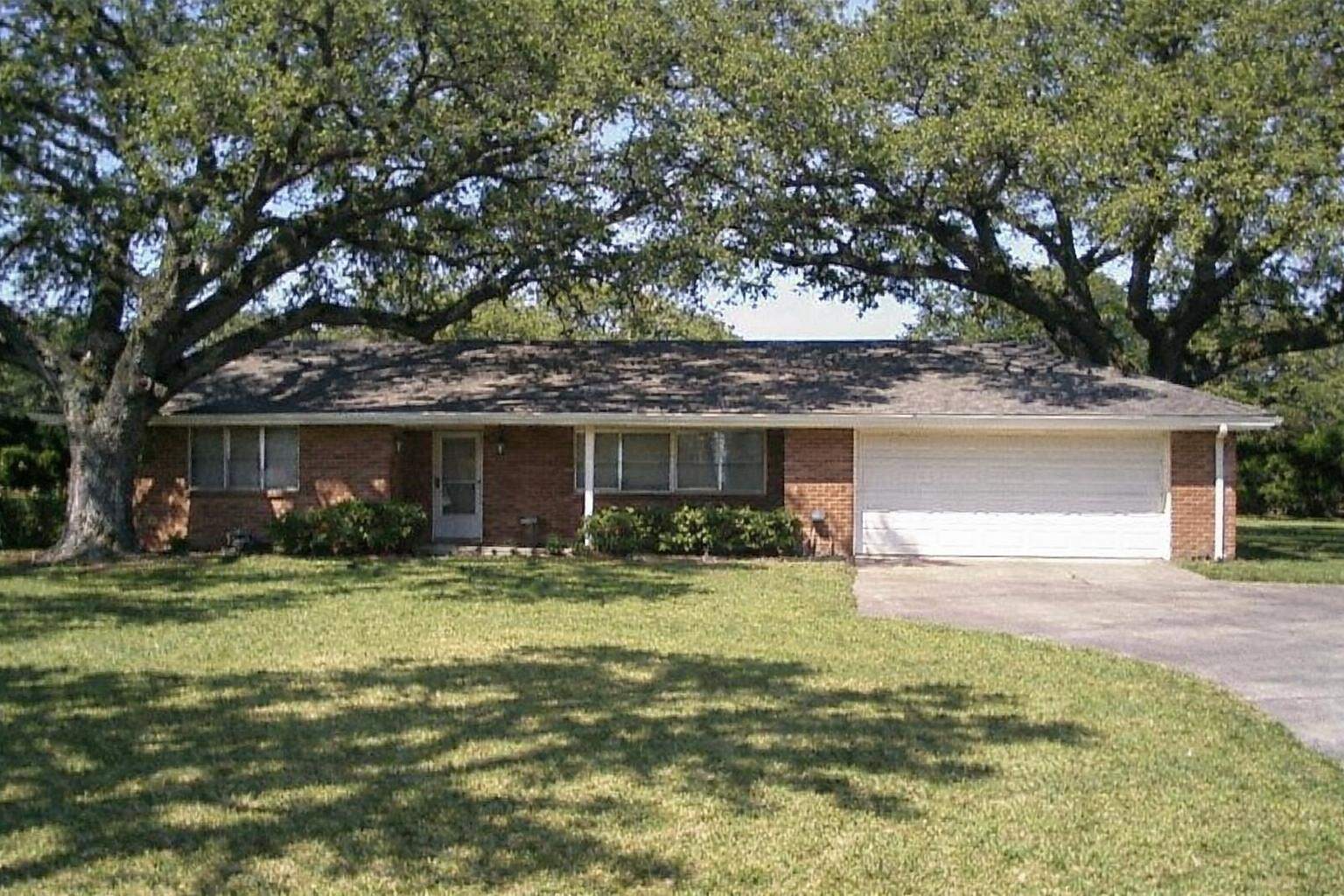
Richardson is named in North Texas rodent research as roof rat territory, and the reason is visible from any street: 1950s and 1960s ranch houses with sixty-year-old trees standing over their rooflines.
- Named roof rat territory
- 1950s to 1970s slab ranch
- Free inspection, any day
Free Inspection in Richardson
The free inspection here starts at the eave, because that is where Richardson houses are entered. A ladder goes to every soffit return, roof return and vent, the attic is entered and the droppings along the top plate are read for species and freshness, then the brick base course is counted, the garage door seal and jambs are checked for daylight, and the penetrations are probed. Every opening a quarter inch or wider goes on a written list with a material against it, and the quote prices trapping, sealing and cleanup separately.
Richardson sits about thirteen miles north of downtown Dallas on US 75, close enough that it is covered on the same footing as the inner Dallas neighborhoods. The line is staffed 24 hours a day and inspections are booked from 7am to 7pm, any day of the week. Call, or send the details through the contact page and a dispatcher will call you back.
Why Richardson shows up in the roof rat research
A local operator guide naming the areas where roof rats are common in North Texas lists Richardson alongside Lakewood, and the reason is the age of the trees over the age of the roofs.
Richardson built out through the 1950s, 1960s and 1970s, so the houses are slab-on-grade brick veneer with low-pitched composition shingle roofs, and the trees planted with them are now sixty or seventy years old. That combination, mature canopy resting on or reaching over rooflines, is the single strongest predictor of roof rats, because UF/IFAS describes the animal as arboreal, traveling along limbs, wires and fences, and puts its range at about 150 yards from the den.
A low-pitched ranch roof makes it easier still. The eave sits lower to the ground than on a two-story house, the soffit run is long, and the soffit returns at the gable corners are within easy reach of a limb. A sixty-year-old soffit panel has shrunk and lifted at least once, and a gable vent screen of the same age has usually rusted.
The practical consequence is that limb clearance off the roof plane is priced as its own line on Richardson quotes, alongside the sealing, and the fence lines and cable runs to the fascia get checked as routes too. Roof rat removal is the service this describes.
Cottonwood and Duck Creek, and the corridor through the city
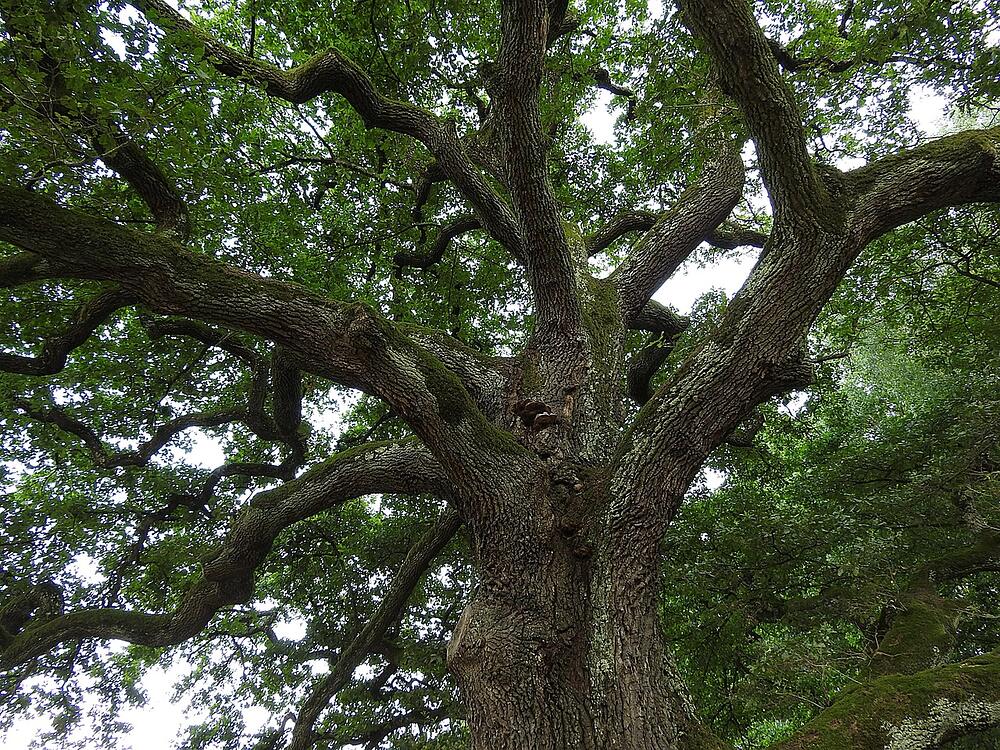
Two creek systems cross Richardson with greenbelts along them, supporting a ground population that predates every house.
Cottonwood Creek and Duck Creek, with their tributaries and trail corridors, provide water, brush, wooded banks and burrowing ground. Norway rats stay close to the ground and work those banks, reaching buildings under garage doors and through broken weep holes; the tree cover along the same corridors is what gets roof rats from the creek to a roofline several lots away.
Richardson's commercial side adds a second kind of pressure. The telecom and office corridor along the expressway and the retail centers through the city are commercial properties with dock doors, dumpster enclosures, shared roof decks and drop ceilings, and a burrow system behind an enclosure will supply every tenant on a row. That work is covered on commercial rodent control, with the device map and service log a health inspection expects.
For a house, the corridor means the closure list needs to be complete and the brush, ivy and wood piles against the structure are worth clearing.
What We Handle in Richardson
Six services cover nearly every Richardson call, weighted toward the roofline because of the canopy.
- Roof rat removal: attic trapping sequenced with roofline sealing, the commonest job on these streets.
- Rodent exclusion: soffit returns, vents, weep holes and garage door closed to a quarter inch with a written list.
- Attic cleanup: droppings, nests and urine-soaked blown-in insulation out of a sixty-year-old attic.
- Attic insulation replacement: sixty-year-old loose fill taken out where the runs crushed it and blown back to a useful depth.
- Mouse removal: kitchen and garage trapping with the base course and door seal closed behind it.
- Commercial rodent control: offices, retail and restaurants on the expressway corridor, documented for inspections.
A Typical Richardson Job
The situation: a 1961 brick ranch with two post oaks and a pecan that have grown well above the low roof, one limb lying across the back slope. Running above the den ceiling every night since the middle of October, loud enough to wake the household.
What gets done: the ladder finds a soffit return lifted at the back gable corner with rub marks at the edge and a gable vent screen rusted through on the same elevation. In the attic, droppings a quarter to half an inch long with pointed ends run in a line along the top plate, dark and soft, and the shallow original fiberglass is flattened along two runs with a nest in one bay. Twenty-four weep holes are open on the garage elevation. The gable screen, the weep holes and the garage door seal go first, traps hold the soffit return run, and the pecan limb plus two oak limbs are cut clear of the roof plane.
How it turns out: the attic line produces steadily through the first week, once more at the second check, and nothing after that. The soffit return is rebuilt and backed with hardware cloth, the nest and the two flattened runs are quoted as a measured cleanup and re-blow on their own line, and the closure list runs to twenty-seven items.
What This Costs in Richardson
Roofline work is the larger half of a Richardson quote, and these published figures are what the lines should be measured against.
| Line | Band | Source |
|---|---|---|
| Rat work in the Dallas area, typical job | $224 to $1,192, average about $693 | Angi's Dallas figures |
| Exclusion sealing across the building | $500 to $2,500 | HomeGuide 2026 national |
| Attic cleanup and decontamination | $600 to $2,500 | HomeGuide 2026 national |
| Insulation removal and replacement | $2.50 to $5.50 per square foot | HomeGuide 2026 national |
| Each follow-up visit | $50 to $150 | Angi's Dallas figures |
On a low-pitched ranch the ladder work is quick and the soffit run is long, so the sealing figure tends to land in the middle of its band. What lifts a Richardson total is the attic: a sixty-year-old shallow layer of loose fill flattened into runs has little left to give, and the insulation line is priced by measured square foot rather than as a lump. Each band describes a typical job, and the free inspection produces the figures with your own measurements behind them.
The order an attic job runs in
Five stages, from inspection through to cleanup.
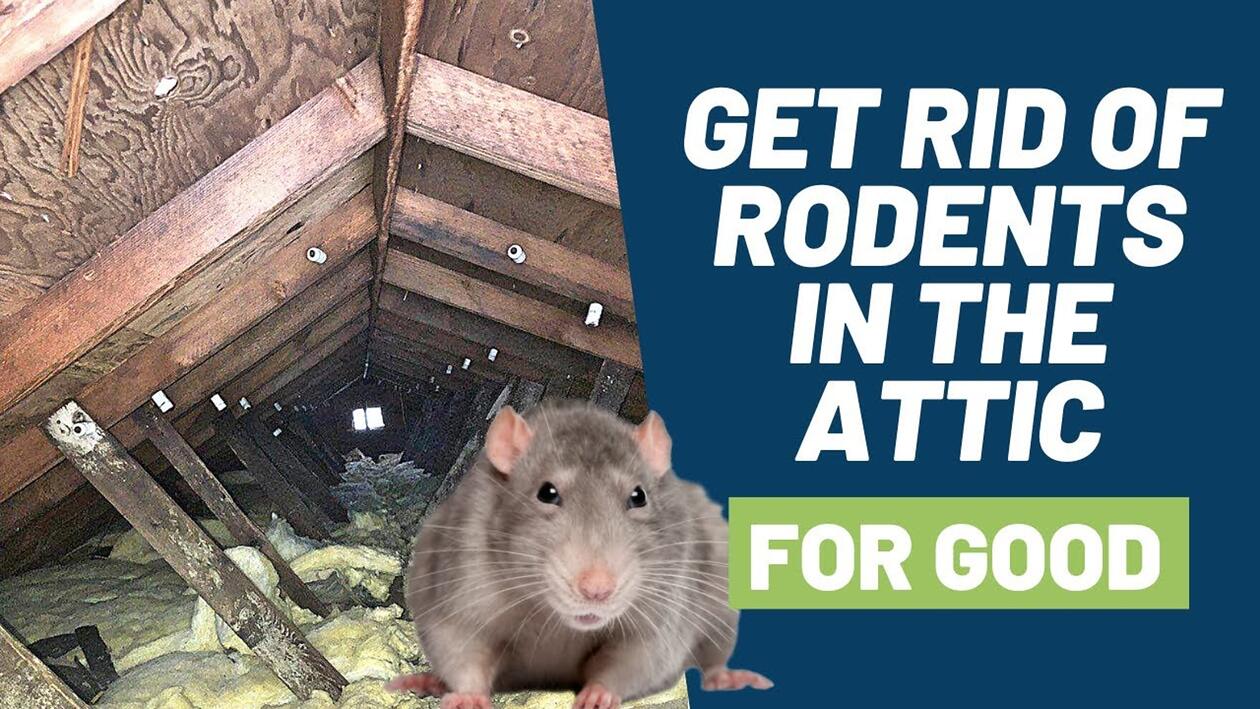
Video: 5 Step Solution to Get Rid of Rodents in Your Attic, from Atticare Construction.
Common Questions in Richardson
What callers from Richardson ask most.
The animal and the trees
Is it roof rats or squirrels in my attic?
Time of day separates them. Squirrels are active in daylight, heaviest at first light and toward dusk, and sound heavier and more deliberate. Roof rats run after dark, lighter and quicker, often with a dragging sound as nesting material moves. Droppings settle it: roof rat droppings run a quarter to half an inch with pointed ends per UF/IFAS, while squirrel droppings are blunter and more scattered. The entry points overlap, so a sealed roofline handles both, but the trapping differs and the dispatcher needs to know which it is.
Do I have to cut the trees back?
The limbs touching or nearly touching the roof, yes, and on these streets that is usually the most effective line on the whole quote. UF/IFAS describes the roof rat as arboreal, moving along limbs, wires and fences, and ranging about 150 yards from its den, which means the limb on your shingles is the last step of a route rather than the beginning of one. It is a clearance off the roof plane with a clear gap left rather than a reshaping of the tree, and the fence lines and cable runs get checked at the same time.
The attic afterward
Does the old insulation have to come out?
The parts flattened into runs or soaked with urine do, and on a sixty-year-old shallow layer that is often most of the affected area. The test is short: the Department of Energy puts crushed loose fill below its rated R-value and damp loose fill at poor performance, and those are the two findings that matter. The sensible answer on a house of this age is to remove the affected square footage and blow back to a deeper figure than 1961 called for, priced per measured square foot. A radiant barrier retrofit stays.
Will the contractor clean and decontaminate, or only trap?
Whichever you buy, and the quote will say which. Trapping, sealing, cleanup and insulation appear as separate lines with the affected area measured, so cleanup is something you can schedule later, put to an insurer, or decline. The gap homeowners most often report is paying a pest company, watching the trapping succeed, and finding the droppings still in the attic two years later at resale. Asking the question directly at the quote stage is how that gets avoided.
Still have a question? Call (214) 203-5726 and ask.
Nearby Areas We Serve
The same contractors cover the towns around Richardson, and the service area runs across Dallas County and the rest of the metro.