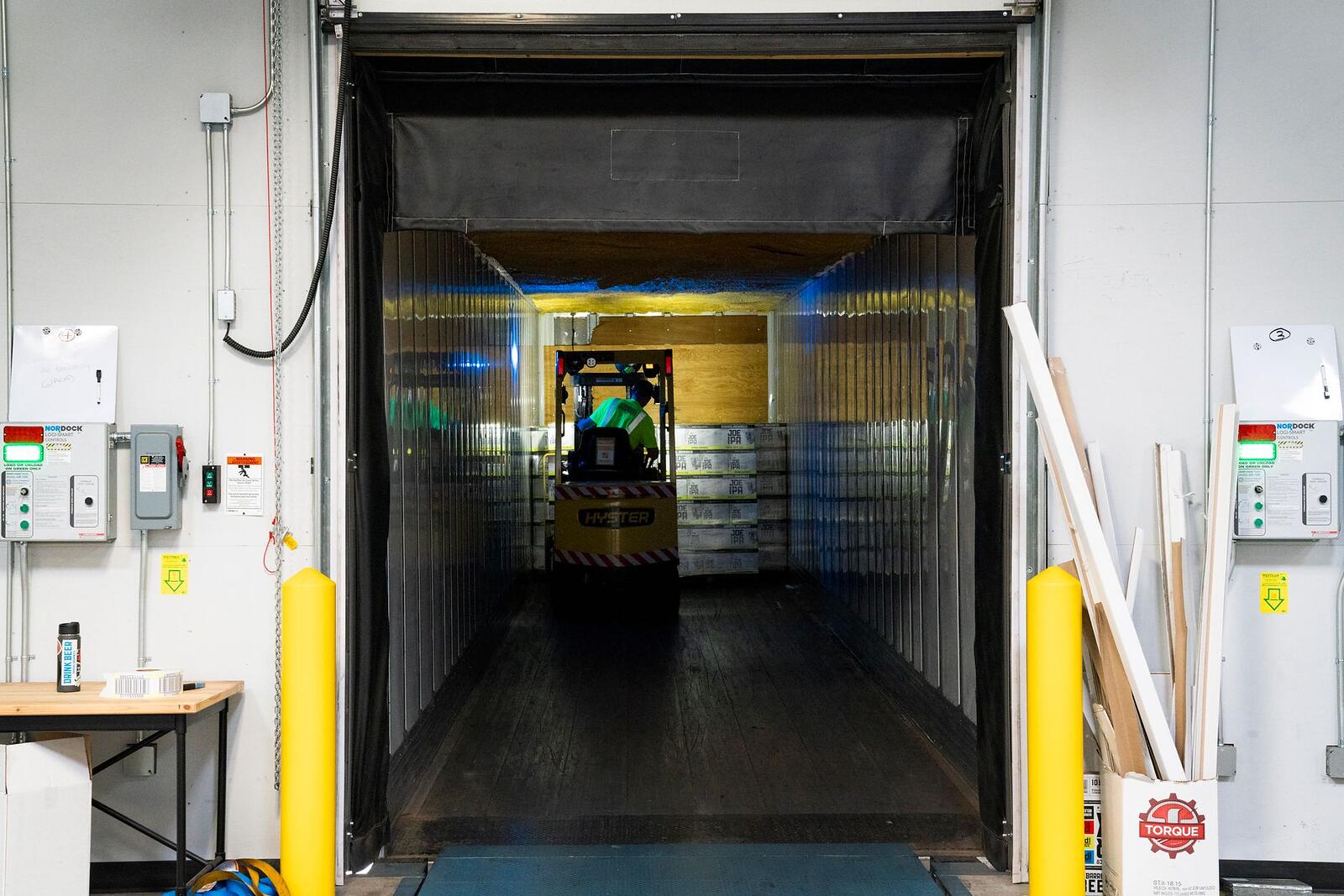
Commercial Rodent Control in Dallas, TX
Restaurants, warehouses, apartment blocks and retail centers each fail in their own way: dock doors, dumpster enclosures, shared roof decks and drop ceilings. Contractors seal the building, document the work, and hold a TDA license where bait is involved.
- Dock doors and enclosures
- Health inspection records
- TDA licensed for bait
What commercial rodent control covers
A commercial scope is the residential sequence plus documentation and a schedule that fits the operation.
- The survey: the whole envelope walked, including the roof deck, the dock, the dumpster enclosure, the utility room, the grease trap area and every drop ceiling and chase an animal can travel inside.
- The exclusion: dock door seals and bottom astragals, man door sweeps, roll-up door guides, floor drains, conduit and pipe penetrations, roof curbs and vent stacks, all closed to the quarter-inch standard.
- The interior program: snap traps and monitoring devices placed and mapped, with a record of each device and what it produced at each visit.
- Exterior bait stations where they are appropriate, tamper resistant, mapped and serviced, placed by a contractor holding a TDA license.
- The documentation: a device map, a service log, corrective action notes and photographs, which is what a health inspection, a third-party audit or a tenant complaint file needs.
- Sanitation recommendations, because the dumpster, the grease trap and the storage habits are usually more of the problem than the sealing.
On a single-tenant building the work is close to the residential scope described on rodent exclusion, and attic or ceiling void cleanup follows attic cleanup practice.
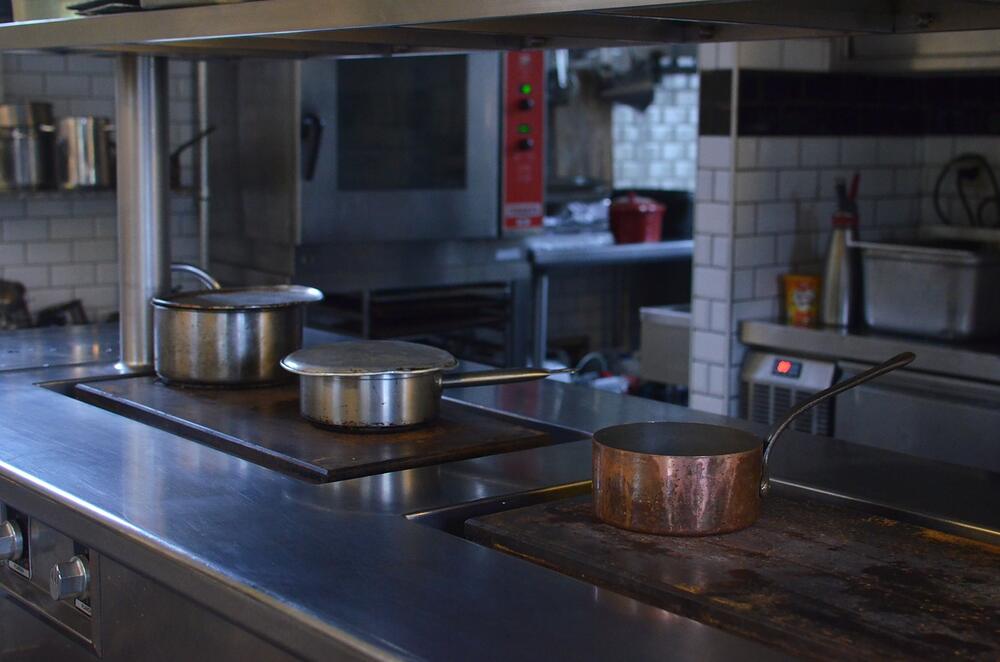
How does the problem differ by property type?
Each commercial building type has a characteristic failure point, and knowing it shortens the survey.
| Property type | Usual entry and harborage | What the documentation is for |
|---|---|---|
| Restaurants and commercial kitchens | Dock or delivery door left open, floor drains, gaps behind equipment, grease trap area, dumpster enclosure and cardboard storage | Health inspection files and corporate audits |
| Warehouses and distribution along I-35 and I-20 | Dock door seals, roll-up door guides, man door sweeps, pallet storage against walls, roof curbs | Customer and third-party food safety audits |
| Multifamily and apartment blocks | Shared wall and ceiling voids, trash rooms and chutes, utility chases, exterior stair and balcony framing, one unit's problem reaching several | Tenant complaint records and management reporting |
| Offices and medical suites | Break room voids, server and electrical rooms, drop ceilings, tenant demolition left open above the grid | Landlord and tenant allocation of cost |
| Retail centers and strip malls | Shared roof deck and party walls, rear service corridor, dumpster enclosure shared by several tenants | Common area management and lease obligations |
Multifamily deserves a separate note. An apartment rodent problem is rarely confined to the unit that reports it, because shared ceiling and wall voids and a common trash room connect everything. Treating one unit and closing the file is the most common reason these problems persist for years, and it is the pattern tenants describe most often.
What documentation a Dallas health inspection expects
An inspector wants to see evidence of an active program rather than a single receipt.
In practice that means four things. A current service agreement or record naming the contractor. A device map showing where traps, monitors and any exterior bait stations are placed, so nothing is unaccounted for. A service log with dates, what each device produced, and who attended. And corrective action notes, which is the part that matters most: when activity is found, the record should show what was done about it rather than only that it was seen.
Dallas County Health and Human Services operates the environmental health division that handles vector complaints, and Dallas City Code chapter 40 on rat control and chapter 27 on minimum property standards require a property owner to keep structures rodent-proof and to eliminate rodent harborage, enforced by Dallas Code Compliance. A documented program is how an operator demonstrates that, and a complaint file with nothing in it is the worst position to be in.
For operators under third-party food safety audits the bar is higher again, usually requiring the contractor's license documentation, safety data sheets for any material used, a trend analysis across visits, and a named person responsible. That is worth stating to a contractor at the quote stage, because it changes the paperwork rather than the fieldwork.
Is a monthly contract worth it on a commercial site?
On a commercial property a recurring program usually does earn its cost, which is the opposite of the residential answer.
The reason is that the pressure never stops. A restaurant receives deliveries through an open door several times a day, a warehouse has dock doors up for hours, and a retail center shares a dumpster enclosure between tenants with different habits. Unlike a sealed house, these buildings cannot be closed and then left, so monitoring with a documented log has a genuine function and the log itself is an asset during an inspection or an audit.
What still deserves scrutiny is how the contract is structured. The exclusion work should be a separate and visible line rather than folded into the monthly figure, because sealing is a capital repair and monitoring is a service. A monthly program with no sealing line at all is the commercial version of the complaint homeowners make about trapping with nothing closed: the devices keep producing and the dock door seal is still torn. Ask for the opening list, and ask what happens to the monthly price once the sealing is done.
Ask also who owns the documentation if you change contractors. A device map and a service history that leave with the vendor are a problem at the next audit.
What commercial rodent control costs in Dallas
Commercial work is quoted per site rather than from a published band, and the residential figures are still the useful reference point for the sealing.
| Line item | Published band | Source |
|---|---|---|
| Exclusion sealing, single structure | $500 to $2,500 | HomeGuide 2026 national |
| Trapping and removal | $250 to $1,200 | HomeGuide 2026 national |
| Cleanup and decontamination | $600 to $2,500 | HomeGuide 2026 national |
| Dallas rodent work, typical job | $224 to $1,192, average near $693 | Angi's Dallas figures |
| Follow-up or service visit | $50 to $150 | Angi's Dallas figures |
Those bands describe house-scale work, so read them as the unit of measure rather than the total. A single-tenant restaurant of a few thousand square feet is broadly in that territory for the sealing. A distribution warehouse with two hundred feet of dock, or a forty-unit apartment block with shared voids, is quoted from the survey and the device count. The variables are envelope length, door count, the number of tenants or units, how often service visits are needed, and what documentation standard applies.
The survey is free, as the residential inspection is, and it produces a scope with the openings and the device count itemized rather than a monthly figure with nothing behind it.
Where the Dallas commercial pressure comes from
The industrial corridors and the ground-dwelling Norway rat are the local story.
Norway rats stay close to the ground and enter under doors, through broken weep holes and into crawl spaces, and they are the usual species around dumpsters and dock doors. That puts the pressure on the corridors where Dallas keeps its warehousing and food distribution: the I-35 spine through the center of the metro, the I-20 belt across the south, and the industrial districts feeding both. A dock with a torn door seal backing onto an enclosure with overflowing dumpsters is the textbook case, and the enclosure is usually the harborage rather than the building.
Roof rats matter too, on a different kind of property. Retail centers and older commercial buildings with mature trees close to a shared roof deck get the same arboreal entry as a house in Lakewood, with roof curbs, vent stacks and the gap above a party wall as the openings. UF/IFAS puts a roof rat's range at about 150 yards from its den, which on a retail strip means one tenant's storage habit supplies every unit on the row.
Seasonally the commercial calendar follows the residential one. Mild winters mean breeding most of the year, pressure climbs with the first cool fronts in late September or October, and activity peaks November through February. The sealing window local firms name, late August through September, is the right time for a dock door and enclosure program, before the season turns.
What to ask a commercial contractor
Six questions, and the license one is not optional here.
- Is the sealing a separate line from the monitoring? Capital repair and recurring service should never be one number.
- What does the device map look like, and who owns it? Documentation that leaves with the vendor is a problem at the next audit.
- What is in the corrective action record? Finding activity and recording only that it was found is the common weakness.
- What is the TPCL number? Any bait on a commercial site requires it.
- Who covers the shared areas on a multi-tenant site? The dumpster enclosure and the roof deck belong to somebody and often to nobody in practice.
- What service window fits the operation? A kitchen cannot be serviced during a dinner shift.
On the license, Texas regulates structural pest control through the Texas Department of Agriculture, and rodents are expressly within that scope. Placing rodenticide for hire requires a licensed business with a TPCL number and a certified applicator or technician in the pest control category, which on commercial sites with exterior bait stations means the license is directly relevant. Live trapping and the installation of nonpesticidal barriers are exempt under Texas Occupations Code section 1951.058, so a pure exclusion contractor may lawfully hold none. The contractors we route hold a TDA license where the work requires one. Get the TPCL number for your file, check it on the TDA license search, and keep the license documentation with the service records since an auditor will ask for it.
How the dispatch works is on the about page, and the hours and downtown address are on the contact page.
Services that usually run alongside this one
A Dallas rodent job is a sequence of separate lines on one quote, and these are the pages for the steps around this one.
- Rodent Exclusion: Closing the roofline, the weep holes and the garage door to the quarter-inch standard.
- Rodent Inspection: A free walk of the roofline, attic, brick base course, garage and any crawl space.
- Dead Rodent Removal: Tracing the smell to the cavity, taking the animal out, then closing the way it came in.
The order these steps run in is set out on the about page, and a dispatcher will talk it through on the phone at whatever hour you call.
Pest control in a food premises
The standard a commercial kitchen is held to.
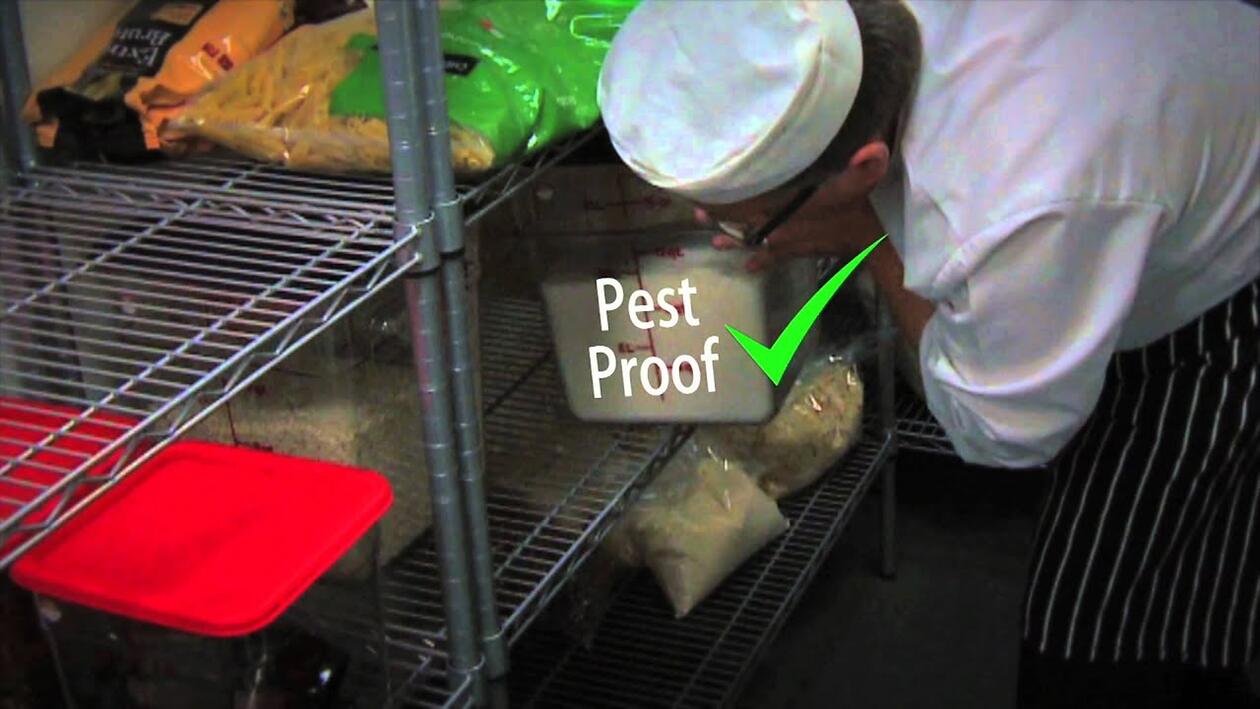
Video: Food safety coaching: pest control, from Food Standards Agency.
How a commercial program starts in Dallas
Survey, seal, then monitor with a record, which is the order that keeps a log meaningful.
-
Describe the operation
Property type, square footage, door and dock count, number of tenants or units, any audit standard that applies, and the service window the operation can take.
-
Free site survey
The envelope, roof deck, dock, enclosure, utility rooms, drop ceilings and chases walked and photographed, with every opening and harborage point listed.
-
Seal the envelope
Door seals, sweeps, guides, drains, conduit and pipe penetrations, roof curbs and vent stacks closed to the quarter-inch standard, itemized as a capital line.
-
Place and map the devices
Interior traps and monitors, plus tamper-resistant exterior stations where appropriate and lawful, each numbered on a map that stays with the property.
-
Service with a record
Scheduled visits logged with dates, device findings, corrective actions taken and photographs, in a file the operator keeps rather than the vendor.
Why Dallas operators route commercial work through us
On a commercial site the paperwork is half the deliverable.
Sealing and service priced apart
The most common weakness in a commercial rodent contract is a single monthly figure covering devices, visits and whatever sealing happens to get done, which makes both halves impossible to judge. Here the envelope work is itemized against an opening list, with dock door seals, sweeps, drain covers and roof curb closures measured against the quarter-inch rat-proofing standard UF/IFAS publishes, and the recurring service is priced separately beside it.
HomeGuide 2026: exclusion sealing $500 to $2,500 per structure
A device map and log the operator keeps
An inspector or an auditor wants a numbered device map, a dated service log, corrective action notes and photographs, and wants them to be the property's records rather than the vendor's. Dallas County Health and Human Services runs the environmental health division that takes vector complaints, and Dallas City Code chapters 40 and 27 put the rodent-proofing and harborage duty on the owner, so the file is the evidence that the duty was met.
Dallas City Code chapters 40 and 27; Dallas County HHS environmental health
The TPCL number on file first
Exterior bait stations are where commercial work and the Texas licensing regime meet directly. Placing rodenticide for hire requires a licensed business with a TPCL number and a certified applicator or technician in the pest control category, under Occupations Code chapter 1951 administered by the Texas Department of Agriculture. The number goes into the property file alongside the service log, and it can be checked on the TDA license search before a station is sited.
Texas Occupations Code chapter 1951, Texas Department of Agriculture
What Reddit Says About Commercial and Apartment Rodent Problems
Commercial rodent discussion online splits into two very different conversations: operators talking about contracts and audits, and tenants talking about buildings nobody will fix.
From the operator side the complaints concentrate on contract structure. People describe monthly programs running for years where the devices are serviced, the log is signed, and the torn dock door seal that lets the animals in has never been mentioned. The advice that follows is to demand an exclusion scope with an opening list, to keep it as a separate line from the monitoring, and to ask what the monthly figure becomes once the sealing is complete. Ownership of documentation comes up as a practical headache at vendor changes, with people warning that a device map and service history held only by the outgoing contractor is an audit problem waiting to happen.
Sanitation gets discussed with some weariness. Operators point out that the dumpster enclosure and the cardboard stacked against the back wall cause more of the problem than any gap in the building, and that a pest contractor who says so is being useful rather than difficult.
The tenant conversation is harder reading. Apartment residents describe reporting rodents, having their own unit treated, and getting nowhere because the animals are living in shared ceiling and wall voids and in the trash room, which are the management's responsibility and outside the unit. The repeated advice is to report in writing, keep a dated record, photograph everything, and escalate to the city, because a paper trail is the only pressure that tells. The emotional register in those threads is the same as in homeowner threads, with sleep loss and a sense of having no control over your own home, compounded by the fact that somebody else decides whether it gets fixed.
On commercial sites the contractors we route itemize the envelope work against an opening list, leave the device map and the service log with the property, and treat shared voids and trash rooms on a multifamily site as part of the scope rather than as somebody else's unit.
A typical commercial job at a restaurant on a Dallas retail strip
The situation: a kitchen in a 1980s retail center sharing a roof deck and a dumpster enclosure with five other tenants. Droppings behind the line and in the dry store, a recent health inspection remark, and a monthly pest program that has run for two years.
What gets done: the survey starts outside. The shared enclosure has a gate that no longer closes and cardboard stacked beside it, and there are burrows in the soil behind it, which is the harborage. On the building, the rear man door has no sweep, the delivery door bottom seal is torn, two conduit penetrations into the utility room are open, and a roof curb for an exhaust fan has a gap at one corner. Inside, the drop ceiling over the dry store connects to the neighboring unit above the party wall. The door sweep and seal go on, the penetrations are collared with mortar and metal, the curb is flashed, the gap above the party wall is closed with sheet metal, and snap traps are mapped in the dry store, the utility room and behind the line. Tamper-resistant exterior stations go along the enclosure side, placed by a TDA-licensed contractor with the TPCL number recorded in the property file. The center's management is given the enclosure findings in writing.
How it turns out: the interior devices stop producing within three weeks, the service log and the numbered device map stay with the restaurant rather than the vendor, and the sealing appears on the invoice as a separate capital line from the monthly service.
Commercial questions from Dallas operators
What managers and owners ask before signing a program.
Program and documentation
What do I need to show a health inspector?
Evidence of an active program rather than a receipt. In practice that is a current record naming the contractor, a numbered device map covering interior traps and monitors and any exterior stations, a dated service log with what each device produced, and corrective action notes showing what was done when activity was found. Dallas County Health and Human Services runs the environmental health division that handles vector complaints, and Dallas City Code chapters 40 and 27 put the rodent-proofing duty on the property owner, so the file is the proof that it was met.
Who is responsible on a multi-tenant site?
The lease decides it, and the physical problem usually sits in the common area. A shared dumpster enclosure, a shared roof deck and a service corridor belong to the center rather than to any one tenant, and a burrow system behind the enclosure will supply every unit on the row regardless of what happens inside them. UF/IFAS puts a roof rat's range at about 150 yards from its den. The practical approach is to seal your own envelope, document the common area findings in writing, and put them to management.
Will a monthly contract fix it?
Only alongside sealing, and the sealing is the part most often missing. Monitoring on a commercial site has a real function, because deliveries and dock doors mean the building cannot be closed the way a house can, and the log is an asset at an inspection. What it cannot do is substitute for a torn dock door seal being replaced. Ask for the exclusion scope as a separate itemized line, and ask what the monthly figure becomes once it is done.
Methods and licensing
Can bait be used on a commercial property?
Yes, in tamper-resistant exterior stations, mapped and serviced, and only by a contractor holding a TDA license. Texas regulates structural pest control through the Texas Department of Agriculture with rodents expressly in scope, so placing rodenticide for hire requires a licensed business with a TPCL number and a certified applicator or technician. Interior spaces, particularly kitchens and dry stores, are trap-and-monitor territory, because the EPA describes most rodenticides as anticoagulants killing four days to two weeks after feeding begins and an animal baited indoors dies indoors.
Can the work happen outside business hours?
Yes, and on kitchens it generally has to. The service window is set at the survey stage around the operation: early morning before a kitchen opens, after close, or on a shift change in a warehouse. Sealing work that needs a door out of service is scheduled the same way. Telling the contractor the real constraint at the quote stage rather than afterward is what keeps the schedule from slipping, and the phone here is answered at any hour for that reason.
Still have a question? Call (214) 203-5726 and ask.