Dead Rodent Removal in Dallas, TX
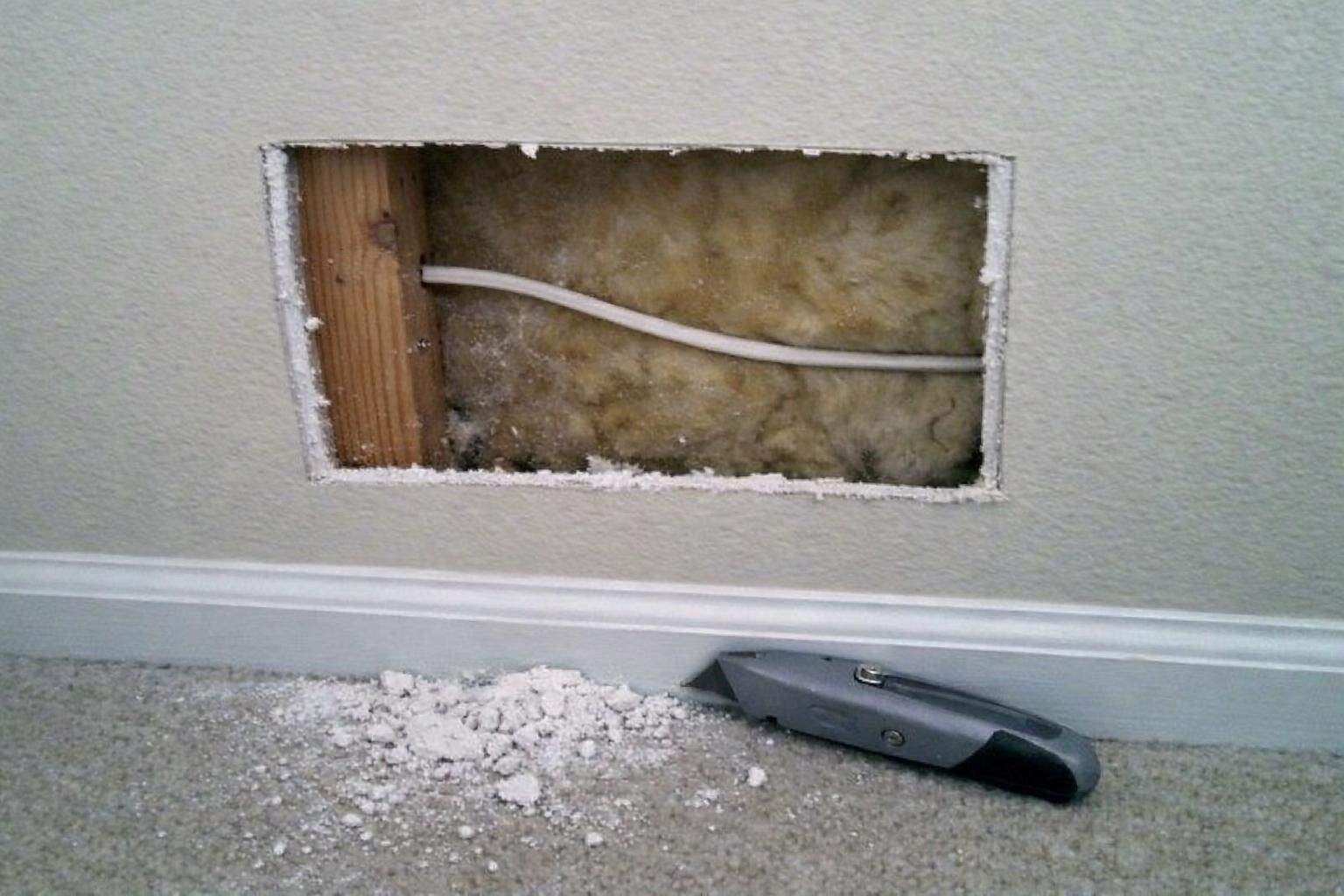
A heavy sweet smell building through a week usually means something died inside the structure, most often after a bait-only plan. Contractors locate it, cut the smallest access that reaches it, remove it, and treat the cavity.
- The carcass located first
- Smallest possible access cut
- Cavity treated and patched
What dead rodent removal covers
The job is a search, a removal, a treatment and a repair, and the search is the part that takes the skill.
- The search: the smell traced to a cavity by nose, by fly activity and by probing, with a borescope through a small hole where the likely bay can be narrowed but not confirmed.
- The access: the smallest opening that reaches the carcass, cut in drywall, a soffit box, a closet back or the underside of a soffit, chosen to be easy to patch.
- The removal: the carcass and any nesting material bagged at the point of removal rather than carried through the house loose.
- The treatment: the cavity cleaned and treated for the fluids and the residual odor, since the smell lives in the material as much as in the animal.
- The repair: the access patched, and the opening the animal used to get in closed so the same cavity does not fill again.
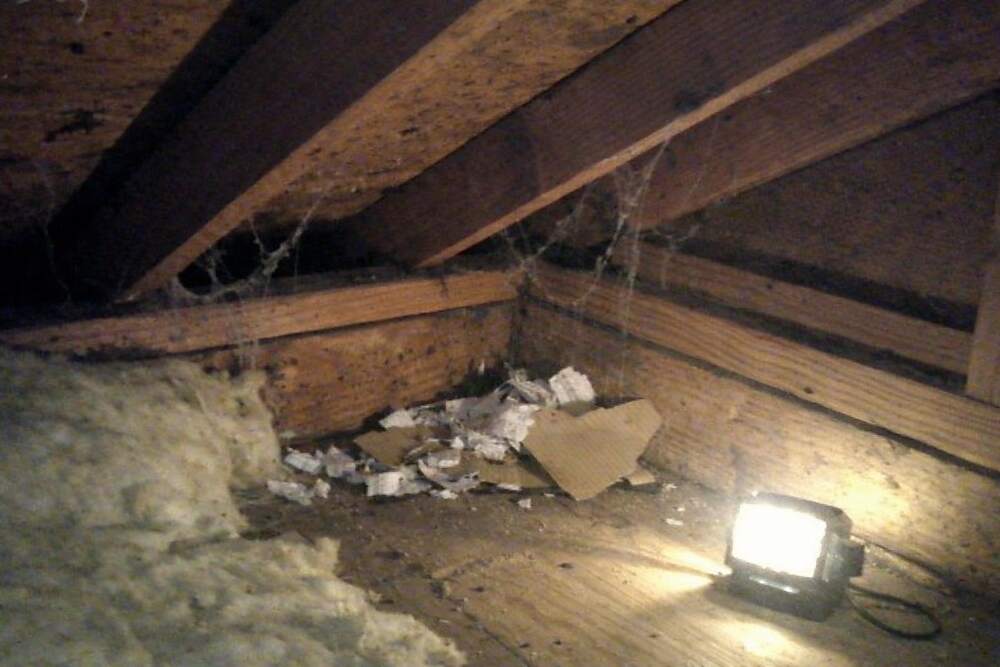
Where the smell turns out to come from nesting material rather than a carcass, the scope becomes attic cleanup. Where the animal got in through an opening still in use, rodent exclusion is the line that stops the next one.
What the smell tells you about where it is
Strength, location and timing together narrow the search before anything is cut.
The odor from a rat is strongest two to ten days after death and then declines over weeks, faster in a hot Dallas attic in August than in a wall cavity in January. So a smell that is building means a recent death and a smell that is fading has had time. Where the smell is strongest at floor level in a hallway, the carcass is usually in a wall cavity low down or under a bathtub. Where it is strongest at the ceiling or comes and goes with the air conditioning, the attic or a duct chase is the candidate. Where it is confined to one closet, the cavity behind that closet is nearly always it.
Flies are the other instrument. A small cluster of blow flies appearing at one window or one ceiling fixture, in a house with no other reason for them, points at the cavity behind it more reliably than smell alone, because smell travels along framing and air paths and flies emerge close to the source.
The places a Dallas house hides a carcass are a short list: wall cavities on an exterior elevation, the soffit box at a roofline corner, the space under a bathtub, the top plate above a closet, a duct chase, the floor cavity of a pier-and-beam house, and the insulation of the attic itself. A thorough search checks all of them before anybody suggests waiting.
Why does bait so often end in a smell?
Because the animal dies days after it eats, and it dies wherever it is living.
The EPA describes most rodenticides as anticoagulants, with death coming four days to two weeks after feeding begins. In that window the animal carries on as normal, which for a roof rat in a Dallas attic means returning to a nest in the insulation or in a wall cavity. The line that poison makes a rat thirsty so it goes outside looking for water is folklore, repeated often and corrected just as often by the people who have paid to have a wall opened.
It is worth separating two things. Bait has legitimate uses, mostly outdoors and on commercial sites, handled by a contractor holding a TDA license. What causes the smell is bait placed inside an occupied structure as the whole plan. A trapping plan produces the same dead animal in a place where it can be picked up and carried out the same day, which is the entire argument for snap traps in a living space.
There is a second consequence people do not expect. Parasites that were living on the animal leave the carcass when it cools and go looking for a host, which is the aftermath described in homeowner accounts as a problem arriving two weeks after the original one ended. Removing the body and the nesting material rather than leaving them in the cavity is what prevents that.
Can I just wait for the smell to go away?
It will fade eventually, and waiting is a worse plan than it sounds for three reasons.
The first is the timeline. In a cool wall cavity a rat can take several weeks to stop smelling and longer to stop staining, and a larger animal takes longer again. Through a Dallas summer the attic version is faster and far more intense, strong enough that people leave the house. The second is what stays behind. The fluids soak into drywall, framing and insulation, and the residual odor in that material outlasts the carcass, so a house that has waited it out often still has a faint smell in humid weather a year later. The third is the parasites, which leave the body and look for a host whether anyone intervenes or not.
There is one case where waiting is reasonable: an animal that died in an inaccessible place in an outbuilding, in cold weather, where nobody is living. In an occupied house with the smell in a bedroom or a hall, the access cut is a small patch of drywall and the alternative is a month of it.
The other thing waiting does is leave the opening in place. The animal got in somehow, and the cavity that held one carcass tends to hold the next.
What dead rodent removal costs in Dallas
Published national figures put the removal itself in the low hundreds, with the access and the repair being what varies.
| Line item | Published band | Source |
|---|---|---|
| Dead rodent removal | $150 to $500 | HomeGuide 2026 national |
| Attic cleanup and decontamination | $600 to $2,500 | HomeGuide 2026 national |
| Exclusion sealing, whole house | $500 to $2,500 | HomeGuide 2026 national |
| Typical Dallas rodent job | $224 to $1,192, average near $693 | Angi's Dallas figures |
| Follow-up visit | $50 to $150 | Angi's Dallas figures |
The published band covers locating and removing the animal and treating the cavity. What sits outside it is the drywall repair, if you want the patch finished and painted rather than closed, and any sealing needed to stop a repeat. On a straightforward case, a single accessible cavity with a confident location, the whole visit is at the bottom of the band. A search that has to open two or three bays to find the animal, or a carcass under a bathtub reached through a panel, costs more because the time is in the search.
Every figure is a typical-job band. The free inspection includes the search, so the quote comes with a location rather than a guess.
What makes a Dallas dead-animal call different
Heat, brick veneer and the local habit of bait-first plans shape these calls.
Attic temperature is the first factor. With outside temperatures above a hundred degrees for weeks, a Dallas attic in July or August drives decomposition fast and hard, which makes the smell overwhelming within days and also shortens the whole episode. The same animal in a January wall cavity produces a slower, longer smell that people often misread as a plumbing problem for two weeks before calling anyone.
Construction is the second. Brick veneer over wood frame means the exterior wall has a cavity behind the brick as well as the stud bay inside, and an animal that entered at a weep hole can die in the veneer cavity where reaching it is awkward. On pier-and-beam houses built before about 1965 the floor cavity is another candidate, approached from the crawl space rather than from inside.
The third is local practice. Nobody in the Dallas market leads with prices or with written exclusion terms, and bait-first plans remain common, which is why a good share of these calls begin with a previous company having placed bait in the attic a month earlier. That history is useful information for the search, because bait placement locations narrow down where the animals were feeding.
What to ask when you call about a smell
Four questions and one piece of history.
- Will the carcass be located or will the cavity be treated blind? An odor treatment with no removal is a deodorant, and the smell returns.
- Who patches the access? Closed and taped, or finished and painted, are different scopes and both are legitimate.
- Is the opening the animal used going to be sealed? Otherwise the same cavity refills.
- Is the nesting material coming out too? That is where the parasites and much of the odor live.
The history to have ready is whether anyone has placed bait at the property in the last month, and where. That single answer changes the search from a sweep to a short list. Mention any recent trapping as well, and any HVAC or plumbing work that opened a cavity.
On licensing, removing a dead animal and treating a cavity is not pesticide application, so the Texas structural pest control license is not the relevant credential for that part. Texas regulates structural pest control through the Texas Department of Agriculture and rodents fall expressly inside its scope, so a contractor who will place bait must work under a licensed business with a TPCL number, while live trapping and nonpesticidal barrier work are exempt under Occupations Code section 1951.058. The contractors we route hold a TDA license where the work requires one. Ask for insurance documentation before anyone cuts into a wall.
How the call is handled is set out on the about page, and the hours and address are on the contact page.
Services that usually run alongside this one
A Dallas rodent job is a sequence of separate lines on one quote, and these are the pages for the steps around this one.
- Rodent Exclusion: Closing the roofline, the weep holes and the garage door to the quarter-inch standard.
- Attic Cleanup and Decontamination: Vacuuming out the droppings and nests, bagging the soaked loose fill, then treating the deck.
- Roof Rat Removal: Trapping the attic rat that dominates Dallas, sequenced with sealing the roofline.
The order these steps run in is set out on the about page, and a dispatcher will talk it through on the phone at whatever hour you call.
The smell of a dead rodent
What causes it and how long it lasts.

Video: How to get rid of dead rat smell, from STOP PEST INFO.
How a dead rodent call runs in Dallas
Locate first, cut once, then close the route that brought the animal in.
-
Describe the smell
Which room, at what height, how many days it has been building, whether flies have appeared, and whether anyone has placed bait recently. That narrows the search list immediately.
-
Free search visit
The smell traced by nose, fly activity and probing, with a borescope through a small hole where the bay can be narrowed but not confirmed.
-
The smallest access
One opening cut where the patch will be easiest: a drywall bay, a closet back, a soffit box or an access panel, rather than several exploratory holes.
-
Remove and treat
Carcass and nesting material bagged at the opening, then the cavity cleaned and treated for the fluids and the residual odor that outlasts the animal.
-
Patch and seal the route
The access closed, and the opening the animal used to get into the structure sealed so the same cavity does not fill again next season.
Why Dallas homeowners route dead-animal calls through us
The difference between a good and a bad version of this job is whether anyone found the animal.
Located before anything is cut
A cavity treated blind is a deodorant applied to a problem that is still there, and the smell comes back within the week. The search uses nose, fly activity, probing and a borescope through a hole the size of a coin, and the access cut comes after the location is confirmed rather than as a way of looking. Because the EPA puts anticoagulant death at four days to two weeks after feeding begins, a recent bait history usually narrows the search to one elevation.
EPA: most rodenticides are anticoagulants, death four days to two weeks after feeding
The nest leaves with the animal
Much of the lasting odor is in the material around the carcass rather than in the carcass itself, soaked into insulation, drywall paper and framing. The CDC notes rodent disease spreading indirectly through fleas, ticks and mites that have fed on an infected rodent, and those parasites leave a body once it cools. Taking the nest out with the animal and treating the cavity is what stops both the second smell and the second problem.
CDC on indirect transmission through fleas, ticks and mites
The way in closed the same day
A cavity that held one carcass is a cavity on an active route, so removing the animal and leaving the opening means doing this again. The quarter-inch rat-proofing standard UF/IFAS publishes is what the closure is measured against, whether the way in was a weep hole at the base course, a lifted soffit return or a chewed duct penetration. HomeGuide puts dead rodent removal at $150 to $500 nationally, and the sealing appears as its own line beside it.
HomeGuide 2026: dead rodent removal $150 to $500 nationally
What Reddit Says About Dead Animal Smells in Walls
Of all the rodent subjects homeowners discuss online, the smell in the wall is the one people write about with the most dread, and it is usually the sequel to a bait decision.
The pattern repeats almost word for word across threads. Somebody put down poison, or a company did, and between a week and a month later the hallway or a bedroom develops a heavy sweet smell that gets worse every day. The replies divide between people describing how they found theirs and people warning the next reader that the belief about poisoned rats going outside to die is false. Several posters describe cutting three or four exploratory holes before finding the animal, which is the argument for a methodical search rather than a quick guess.
Flies come up as the practical tip more than any other. People describe a sudden cluster at one window as the thing that finally located it after days of chasing the smell around the house, because smell travels along framing and flies emerge close to the source.
The second theme is what the companies offered. Odor treatment with no removal gets described as a waste of money by everybody who bought it, and people warn each other that a service offering to fog or spray without opening anything is selling time rather than a solution. Patch responsibility is the other thing people say they wish they had clarified, since some quotes close the hole and some finish and paint it, and the difference is not always stated.
The aftermath thread is the one people find most upsetting. Mites and other parasites from the carcass turning up in a bedroom two weeks later is reported often enough that it is worth expecting, and the fix people describe is physical removal of the nest rather than treatment of the cavity alone.
The contractors we route locate the animal before cutting, remove the nesting material with it, treat the cavity, say in advance who patches the access, and close the opening the animal used on the same visit.
A typical dead rodent call in a 1950s house in Lochwood
The situation: a single-story brick house on a slab. A company placed bait in the attic five weeks earlier, the noise stopped, and then a heavy smell appeared in the hall, strongest at waist height outside the linen closet. Four or five blow flies have collected at the bathroom window on the same wall.
What gets done: the search starts from the flies rather than the smell. Probing the wall behind the closet and a borescope through a coin-sized hole at the base of the bay finds a rat in the stud cavity above the bottom plate, with nesting material pulled down from the top plate. A six-inch access is cut inside the closet where the patch will never be seen, the animal and the nest are bagged at the opening, and the cavity is cleaned and treated. The attic is then walked: the bait trays are removed, and the lifted roof return on that elevation, which is how the animal reached the wall, is closed with sheet metal.
How it turns out: the smell drops sharply within a day and is gone in three. The closet access is closed and taped, the owner paints it, and the sealing line on the quote is the part that keeps the cavity empty.
Dead rodent questions from Dallas homeowners
What callers ask when the smell is already in the house.
Finding it
How long will the smell last if nothing is done?
Weeks in a wall and a shorter, far more intense episode in a summer attic. A rat in a cool cavity can smell strongly for two to three weeks and faintly for longer, and the residual odor in soaked drywall and insulation outlasts the carcass, so houses that wait it out often still catch it in humid weather months later. In a Dallas attic in July the heat compresses the whole thing into days at a much higher intensity. Removal is normally a single visit with one small access cut.
Can the carcass be found without cutting holes everywhere?
Usually yes, with a method rather than a guess. The smell is traced by nose at different heights, fly activity is read as a pointer because flies emerge close to the source, the bay is probed, and a borescope goes through a hole the size of a coin to confirm before any access is cut. Knowing where bait was placed narrows it further. The aim is one access opening in a place that is easy to patch rather than several exploratory holes in a hallway.
Will an odor treatment fix it on its own?
No, and it is the purchase homeowners most regret in these cases. Spraying or fogging a cavity that still contains the animal masks the smell for a few days and changes nothing, because the source is still decomposing and the nesting material is still in place. Treatment has a real role after the removal, on the fluids and the residual odor in the framing and drywall. Asking whether the carcass will be located and removed is the question that separates the two.
Afterward
Why did small insects appear after the smell went?
Parasites that were living on the animal leave the body once it cools and look for a host. The CDC describes rodent disease spreading indirectly through fleas, ticks and mites that have fed on an infected rodent, and this aftermath is reported often enough by homeowners to be worth expecting. Physical removal of the nesting material along with the carcass is what reduces it, and a cavity left in place after a blind treatment is the version that produces it.
How do I stop it happening again?
Close the way in and keep bait out of the structure. The cavity filled because an animal had a route into it, so the opening gets sealed to the quarter-inch standard UF/IFAS publishes, whether it was a weep hole, a soffit return or a duct penetration. On the method side, snap traps leave the animal where it can be removed the same day, while the EPA notes anticoagulant bait kills four days to two weeks after feeding starts, somewhere inside the building. Rodent exclusion is the scope that closes the house.
Still have a question? Call (214) 203-5726 and ask.