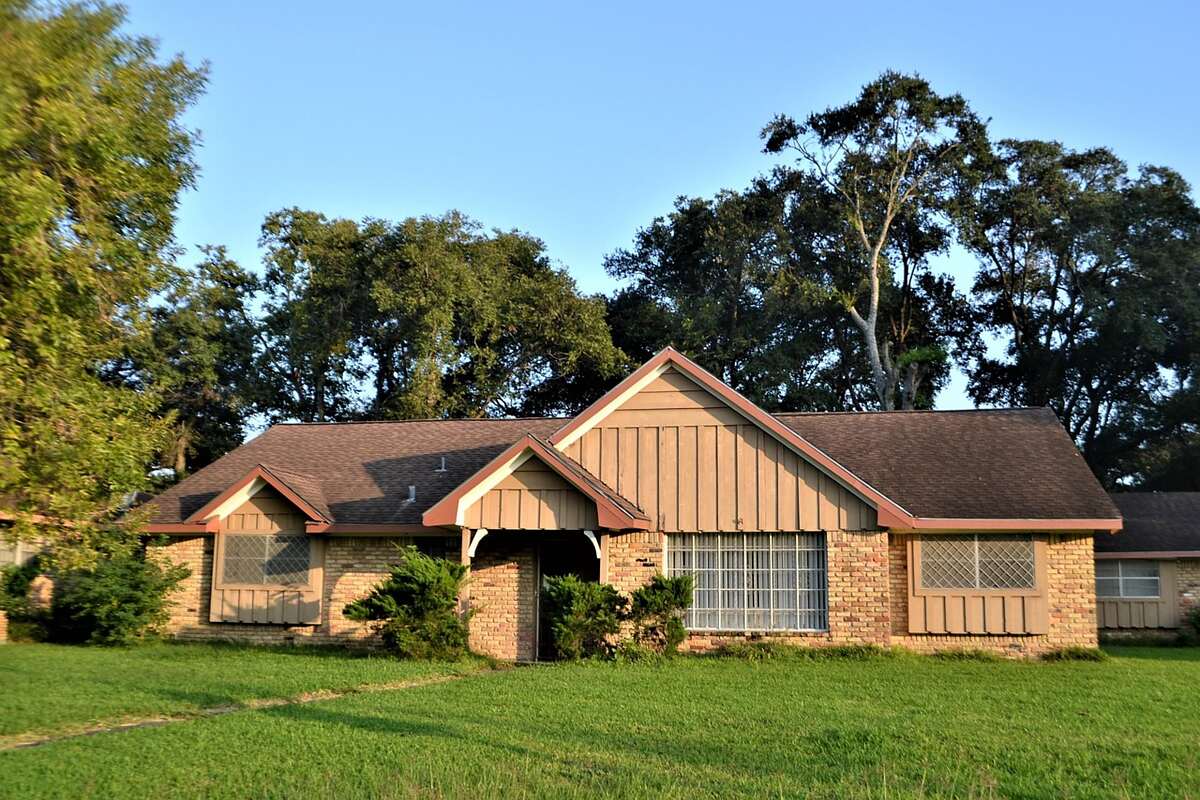
Rodent Removal in Dallas, TX
Roof rats come in along the oaks and the rooflines, Norway rats and mice come in under the garage door and through the weep holes, and the scratching starts after dark. Contractors trap them out, seal the way in, and put the attic right.
- Free inspection, itemized quote
- Phone answered 24 hours a day
- TDA-licensed where bait is used
What we arrange in Dallas
Ten services, in three groups that follow the order a job runs: get the animals out, close the building, then repair what they left behind.

Roof Rat Removal
Trapping the attic rat that dominates Dallas, sequenced with sealing the roofline.
About Roof Rat RemovalRemoval
Getting the animals out of the building, by species and by setting.
Sealing and inspection
Finding the openings and closing them, which is what gives the trapping an end.
After the rodents
Putting the attic back to the condition it was in before any of it started.
What is making the noise
Three rodents account for nearly every Dallas call, and where and when you hear them narrows it before anyone visits.
-
Roof rats
The attic species across North Texas, also called the black rat. It travels high along fences, tree limbs and rooflines and nests in attics, garages and soffits, which makes it the animal behind most "rat in the attic" calls in Lakewood, the M Streets, Casa Linda, Kessler Park and any street with mature trees. UF/IFAS puts its range at about 150 yards from the den.
-
Norway rats
The heavier ground rat. It stays low and enters under garage doors, through broken weep holes in the brick base course, and into the crawl spaces of pier-and-beam houses, and it is the usual species around dumpsters and dock doors. Together with the roof rat it accounts for nearly all North Texas rat infestations.
-
House mice
The indoor mouse, found in kitchens, appliance voids, garages and wall cavities. A mouse needs an opening of only a quarter inch, per UF/IFAS, which is why a weep hole or a worn garage door seal is enough. The deer mouse occurs in Texas but keeps to sheds and outbuildings.
-
Squirrels
Daytime footfalls, heaviest at first light and dusk, usually mean a squirrel rather than a rat. The entry points overlap, so a sealed roofline solves both, but the trapping and the legal position differ and the dispatcher needs to know.
-
Something that died in a wall
A heavy, sweet smell that builds over a week or two is a carcass, usually after a bait-only plan. The EPA describes most rodenticides as anticoagulants, with death coming four days to two weeks after feeding begins, and an animal nesting in your attic dies where it nests.
-
The first cool front
Mild winters mean rodents breed most of the year in Dallas, and the calls surge when the first fronts arrive in late September or October, then peak from November through February. A summer of clay-soil movement has opened the gaps by then; late August through September is the sealing window.
Why a Dallas rodent job depends on when the house was built
The year a Dallas house went up decides where the rodents get in. Homes built before roughly 1965 mostly sit on pier-and-beam foundations with a crawl space, and they cluster in the neighborhoods ringing downtown: Old East Dallas, Lakewood, the M Streets, Casa Linda, Kessler Park, Winnetka Heights, Bishop Arts and older Oak Cliff, and older parts of Highland Park. Almost everything built after 1970 is slab-on-grade, from the 1950s to 1970s ranch neighborhoods of Lake Highlands, Lochwood and Lake Park Estates outward through the suburbs.
A pier-and-beam house gives a Norway rat or a mouse a route under the floor through skirting gaps, torn foundation vent screens and the access door, on top of whatever the roofline offers. A slab house closes that route and opens another: weep holes in the brick base course, the garage door seal, and the gaps that expansive clay soil opens at slab edges and utility penetrations as it swells and shrinks through the year. Both kinds share the roofline, where roof rats arrive off the tree canopy and test the soffit returns, gable and ridge vents, roof returns, builder gaps and plumbing stacks over a vented attic of blown-in insulation.
Seasonally, the sealing window local firms name is late August through September, after a summer of soil movement has opened every crack and before the first cool front sends the animals indoors. Calls surge in late September and October and peak from November through February. A house sealed in September is a house that stays quiet in January.
Why Dallas homeowners route the call through us
Three things separate a job that ends from a job that runs for months.
Sealed to a quarter inch
Dallas houses are entered at the top and at the bottom: soffit returns, gable and ridge vents, roof returns and builder gaps on the roofline, then the weep holes in the brick base course, the garage door seal and, on homes built before 1965, the crawl space skirting. Trapping with those open harvests replacements. Every contractor we route works the sealing into the sequence, closes the unused openings first, traps what is still inside, then closes the last runs once the attic goes quiet.
A quarter inch is the rat-proofing standard, UF/IFAS Extension
Published bands, before the visit
No rodent company ranking in Dallas prints a number. The bands here come from Angi's Dallas rat exterminator page, where a typical job lands between $224 and $1,192 with an average near $693, and from HomeGuide's 2026 national guides for sealing, cleanup and insulation. The free inspection turns them into an itemized quote with trapping, sealing and cleanup on separate lines, which is the one thing homeowners comparing notes online say they could never get.
Angi Dallas: rat exterminator typical range $224 to $1,192
A TDA license where it is needed
Texas regulates structural pest control through the Texas Department of Agriculture, and any contractor placing rodent bait must hold a TDA license. Trap-and-seal work done without a pesticide is exempt under Occupations Code section 1951.058, so some lawful operators carry no license at all. The contractors we route hold a TDA license where the job requires one, and if bait is part of the quote you can ask for the TPCL number and check it on the TDA license search before it goes down.
Texas Occupations Code chapter 1951, administered by the TDA
Book the free inspection tonight
The line is answered 24 hours a day. Say what you hear, where, and since when, and the nearest contractor is lined up for a free roofline, attic and foundation inspection with an itemized quote.
Three jobs the way they usually run
Anonymized scenarios drawn from the kinds of calls Dallas produces. No names, no addresses, no real invoices.
-
Scratching over a bedroom in Lakewood
A 1930s Tudor on pier-and-beam under a red oak. Running above the ceiling every night since the first November front; the owner has stopped sleeping.
The inspection follows the oak limb to a lifted soffit return and finds roof rat droppings, a quarter to half an inch with pointed ends, along the top plate. Snap traps go in for a week, the return and a rusted gable screen get steel mesh, and the crawl space skirting is checked from underneath.
Outcome: Quiet within two weeks, the last opening closed on the follow-up, and a written list of what was sealed and where.
-
Mice in a Lake Highlands kitchen
A 1960s brick ranch on a slab. Droppings behind the range and under the sink, and a gnawed bag in the pantry.
Whoever attends finds three open weep holes on the garage side and a garage door seal worn to daylight at one corner. Traps go in behind the appliances, the weep holes get stainless covers that keep the drainage working, and the seal is replaced.
Outcome: Two visits over ten days. The traps go quiet after the first week and the itemized quote shows the sealing as its own line.
-
A bait job gone wrong in Richardson
A slab house with big trees. A previous company placed bait in the attic; a month later the hallway smells and the family is sleeping with windows open in January.
The carcass is located by smell and a borescope in a wall cavity behind the linen closet, removed through a small access cut, and the cavity is treated. The roofline is then walked and two roof returns are sealed so it does not repeat.
Outcome: The smell is gone within days of the removal, the drywall is patched, and the sealing line on the quote is what stops the next animal.
The route in from the sewer line
How a rat travels a drain into a house.
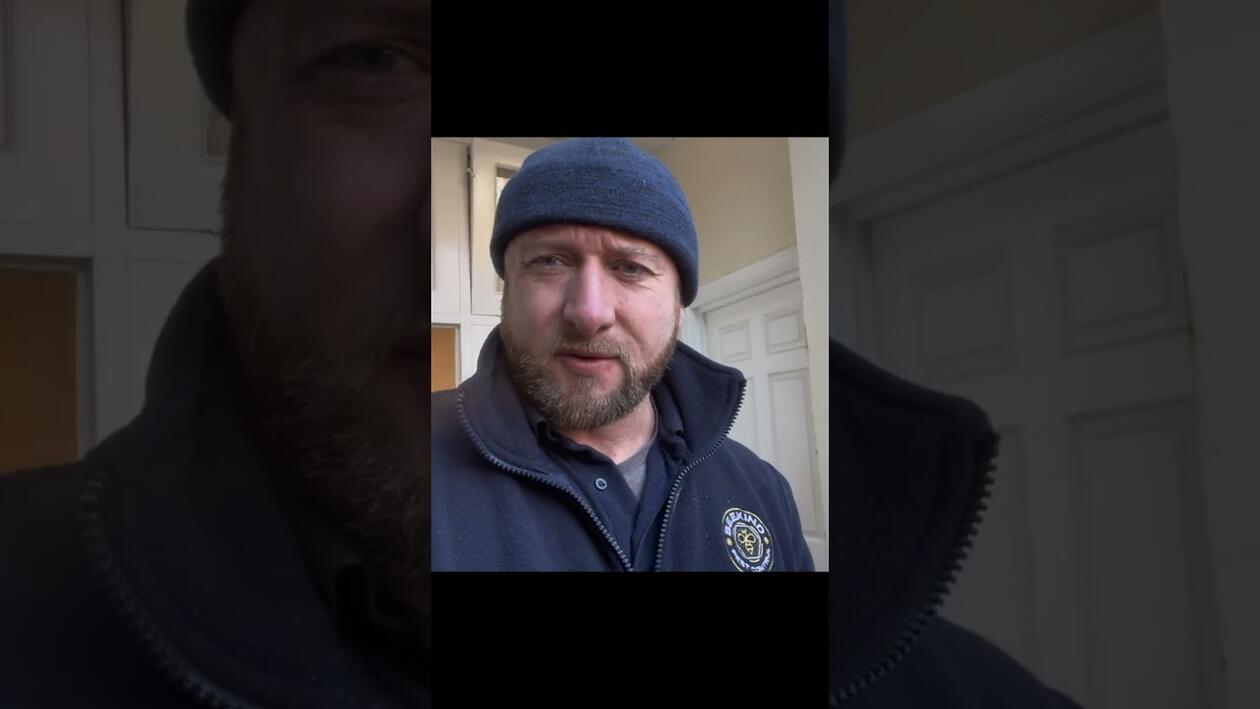
Video: How do rats get out of the sewers and into your home?, from BEEKIND Pest Control.
How a rodent job runs in Dallas
The same sequence on every call, with sealing as the spine, because closing a house full of rats and trapping a house with open eaves both fail.
-
Call and describe it
Where the noise is, what time of day, how long, and roughly when the house was built. That narrows the species and the foundation before anyone drives out.
-
Free inspection
Roofline, attic, brick base course, garage and crawl space walked with a light, every opening recorded, and an itemized quote written.
-
Seal the unused openings
Hardware cloth, sheet metal, weep hole covers and door seals close everything except the runs currently in use, so nothing is shut inside.
-
Trap what is still inside
Snap traps go on the runs still in use. UF/IFAS notes roof rats avoid unfamiliar objects, so a week is the minimum before the catch rate says anything.
-
Close up and restore
After two empty checks the remaining runs are closed, and the attic gets cleanup or new depth where the inspection photographs justify it.
Which of the ten a Dallas call turns into
Two or three of these usually run together on one quote, and each carries its published band so a budget can be set before anyone drives out.
-
Roof rat removal
Trapping in the active attic runs, sequenced with sealing. Angi's Dallas page puts a typical rat job between $224 and $1,192, averaging about $693. Roof rat removal.
-
Rodent exclusion
Closing the roofline, weep holes and garage door to the quarter-inch standard. HomeGuide puts full-home exclusion at $500 to $2,500 nationally. Rodent exclusion.
-
Mouse removal
Snap traps in the kitchen and garage voids, weep hole covers and a new door seal. A mouse gets through a quarter-inch opening per UF/IFAS. Mouse removal.
-
Rodent inspection
Free here; Angi's Dallas figures put inspection fees at $100 to $200 where they are charged, and Reddit threads describe paying around $75 just to get a bid. Rodent inspection.
-
Crawl space rodent control
Skirting, vent screens, access doors and subfloor penetrations on pier-and-beam houses built before 1965. Crawl space rodent control.
-
Attic cleanup
Droppings, nests and urine-soaked insulation removed, then the attic sanitized. HomeGuide puts cleanup and decontamination at $600 to $2,500 nationally. Attic cleanup.
-
Insulation replacement
Contaminated blown-in fiberglass or cellulose out, fresh material in, at $2.50 to $5.50 per square foot in HomeGuide's 2026 guide. Insulation replacement.
-
Dead rodent removal
Tracing the smell to a wall bay or a soffit box, taking the animal out through one small access, and closing the route. The HomeGuide national band is $150 to $500. Dead rodent removal.
-
Clearance letters
A written inspection report for a closing, a lease, an HOA dispute or an insurance file, priced as the inspection plus any sealing found necessary. Rodent clearance letters.
-
Commercial rodent control
Kitchens, warehouses along I-35 and I-20, multifamily and retail centers, with the documentation a health inspection asks for. Commercial rodent control.
Where the contractors are dispatched
Dallas and the counties around it, with pages for the neighborhoods and towns that call most: the tree-canopy districts ringing downtown and the brick subdivisions north, east and west of it.
Questions Dallas homeowners ask first
Straight answers to what comes up on nearly every call.
Which rodent, and how long
How long does it usually take to get rid of rats?
Longer than a sales call suggests, and far shorter once the building is closed. The 2026 HomeGuide figures run from two or three days where only a handful of animals are inside to one or two months where the attic has carried a population through a winter. The sealing is what gives the trapping an end, because a Dallas roof rat ranges about 150 yards from its den and an open soffit return keeps the supply coming from the trees two lots over. The four-month stories in homeowner threads almost always describe trapping with nothing sealed.
Is it roof rats, Norway rats or mice?
Where you hear it says most of it. Noise overhead after dark, and droppings a quarter to half an inch long with pointed ends, is the roof rat pattern per UF/IFAS. Activity at ground level, in the garage or under the floor of a pier-and-beam house points to Norway rats, and small droppings behind appliances point to mice. Daytime footfalls point to squirrels. The free inspection settles it from the droppings and rub marks.
What keeps rats away permanently?
A closed building, and nothing else does the same job. Every opening a quarter inch or larger gets closed with hardware cloth, sheet metal or a weep hole cover that keeps the brick draining, the garage door seal is replaced, and limbs are cut back off the roof. Repellents, ultrasonic plugs and bait do nothing about the opening. On a pier-and-beam house the skirting and foundation vents get the same treatment.
The money and the credential
What is the cheapest way to get rid of rats?
Closing the openings and trapping once, in the same scope, is the cheapest version that finishes. Angi's Dallas page puts a typical rat exterminator job between $224 and $1,192, and HomeGuide puts full-home exclusion at $500 to $2,500 nationally. A bait-only plan looks cheaper on the first invoice and usually produces a dead animal in a wall plus a return visit, which is how the bill grows.
Should I just put down poison?
The story that poison sends a rat outside looking for water before it dies has no basis. The EPA describes most rodenticides as anticoagulants that kill four days to two weeks after feeding starts, and an animal nesting in your attic dies in your attic or a wall. Placing bait for hire in Texas also requires a TDA license, so if a quote includes it, ask for the TPCL number. Trapping plus sealing is the usual professional answer.
Who turns up, and are they licensed?
An independent Dallas-area contractor with the credential the job requires. Live trapping and nonpesticidal barriers are exempt from the Texas structural pest control license under Occupations Code section 1951.058, so a trap-and-seal specialist may lawfully hold none. Any contractor placing bait must hold a TDA license. Ask for the license number where one applies and check it on the TDA search, and ask for proof of insurance either way.
Still have a question? Call (214) 203-5726 and ask.