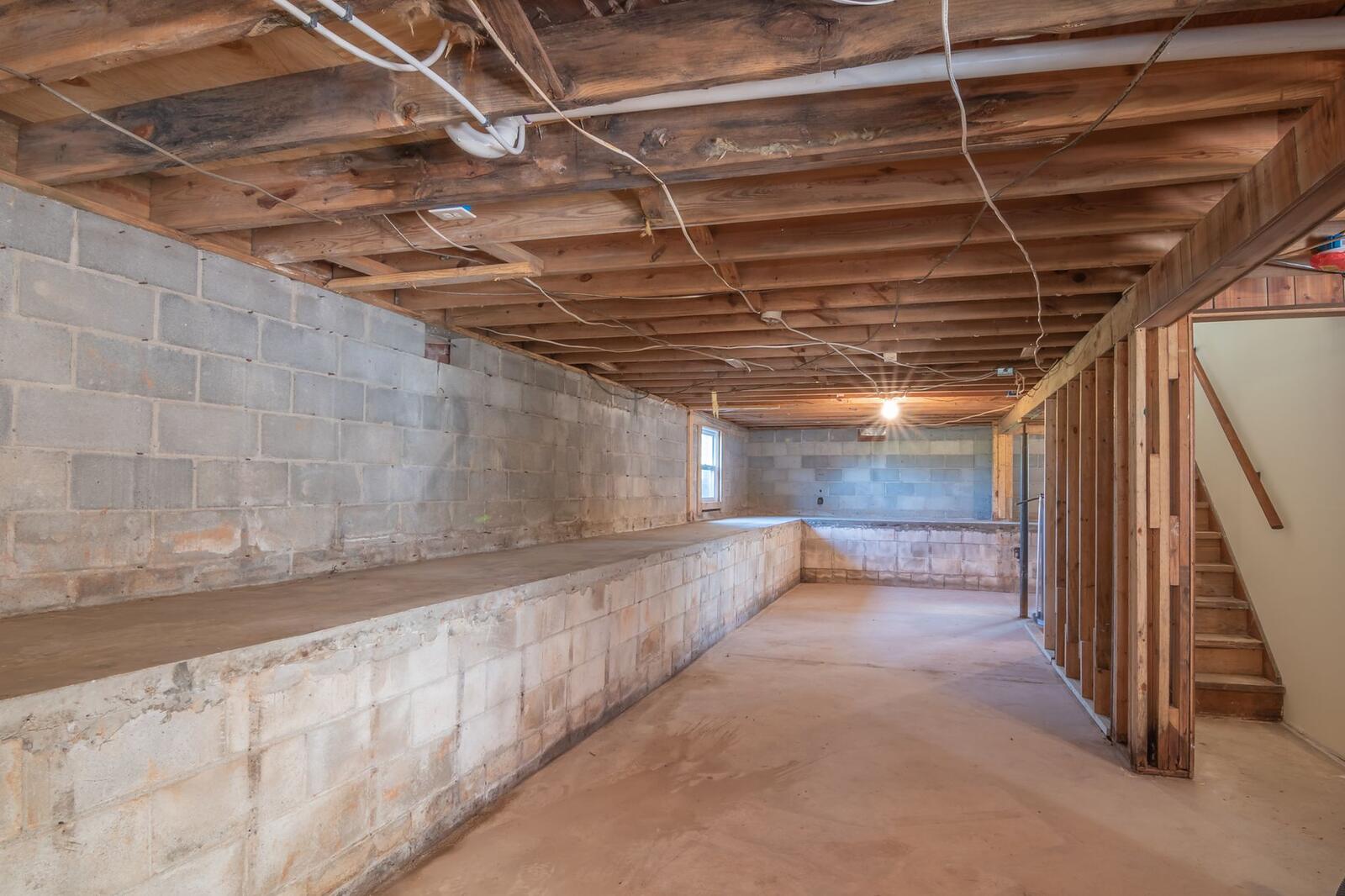
Crawl Space Rodent Control in Dallas, TX
Dallas houses built before about 1965 sit on pier-and-beam foundations, and the space underneath is a second building to close. Contractors trap the ground-level population and seal the skirting, the vents and the access door.
- Pier-and-beam specialists
- Skirting and vent screens
- Free inspection from below
What crawl space rodent control covers
The scope is the whole perimeter under the floor plus everything that passes through the subfloor.
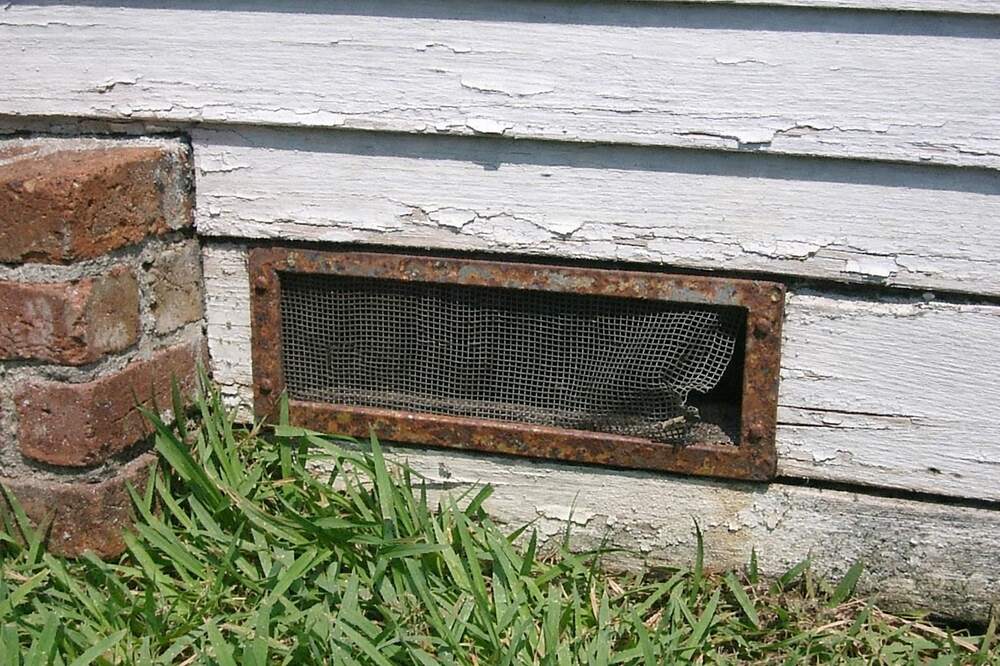
- The entry underneath: skirting gaps between piers, broken or rusted foundation vent screens, the access door and its frame, and gaps where the skirting meets grade.
- The subfloor: plumbing penetrations for supply lines, drains and the gas line, duct boots, and the chase where wiring passes into the floor cavity.
- The trapping: snap traps set on the runs along the sill beams and against the skirting, where Norway rats and mice travel.
- The conditions: debris, old stored material, standing moisture, and a torn or missing vapor barrier, all of which decide how habitable the space is.
- The record: a written list of openings closed with the material used, since a crawl space is the part of a house nobody looks at twice.
The roofline is a separate region with separate pricing, covered on roof rat removal and rodent exclusion. Most older Dallas houses with activity underneath have something at the eave as well, so the two usually appear on the same quote as two lines.
Which Dallas houses have a crawl space?
Build year answers it: before roughly 1965 means pier-and-beam, after 1970 means slab.
The pier-and-beam districts are the ones that ring downtown and the lake. Old East Dallas, Lakewood, the M Streets, Casa Linda, which was developed from 1939, Kessler Park, laid out in the 1920s, Winnetka Heights, Bishop Arts and the older parts of Oak Cliff, and older parts of Highland Park. A large share of the older housing stock across the metro sits on piers. From the 1950s onward the ranch neighborhoods begin to change over, and by the time you reach Lake Highlands, Lochwood and Lake Park Estates the slab is the norm.
The physical tells are easy. A skirting wall with rectangular vents along the base of the house, a hinged or removable access panel somewhere along a side or back elevation, floors with a little give underfoot, and plumbing cleanouts that reach down rather than out. If the brick runs to a visible concrete edge and the floors are rigid, it is a slab, and the sealing scope you want is on rodent exclusion instead.
One complication in Dallas: a house can be both. Additions built in the 1970s and 1980s onto a 1930s house are often slab, which leaves a junction between the two systems that is a favorite ground-level entry. The inspection looks for exactly that seam.
What gets in under the floor and why it stays
Norway rats and house mice use the crawl space, and they stay because it offers everything they need.
A crawl space is dark, sheltered from weather, warmer than outside in January and cooler in July, and it has a ceiling full of pipes and ducts to travel along. The floor of it is bare soil on most Dallas houses, which makes burrowing straightforward, and any stored lumber, cardboard or bagged material gives nesting cover. Norway rats stay close to the ground by habit and enter under garage doors, through broken weep holes and into crawl spaces, which makes this the species most often found there. House mice use the same routes and then move up through the subfloor penetrations into the wall cavities and the kitchen.
Moisture is the usual aggravating factor. Expansive clay soil holds water and then shrinks away from piers and skirting as it dries, opening gaps that were tight the year before, and a slow supply leak or poor drainage at a downspout keeps one corner damp. Damp soil means a torn vapor barrier, softened joist ends and a more attractive space, and it also means the gaps reopen faster after sealing if the drainage is left as it is.
Crawl space work compared with attic work
The two jobs share a sequence and almost nothing else, which the table sets out.
| Aspect | Crawl space | Attic |
|---|---|---|
| Usual species | Norway rats and house mice | Roof rats, with squirrels as the other candidate |
| Entry points | Skirting gaps, foundation vents, access door, subfloor penetrations | Soffit returns, gable and ridge vents, roof returns, builder gaps, stacks |
| Access | Belly crawl over bare soil, often under 24 inches of headroom | Hatch or pull-down, then a crawl across joists and blown-in insulation |
| What gets damaged | Duct insulation, vapor barrier, supply line insulation, wiring | Blown-in insulation, wiring, ductwork, stored items |
| Cleanup | Debris and nesting material out, vapor barrier repaired or replaced | Droppings and soaked insulation out, sanitize, re-blow |
Is it worth sealing the crawl space if the noise is in the attic?
Yes on an older Dallas house, because the two regions are one building and a rat uses both.
The common assumption is that noise overhead means a roofline problem and nothing else. On a pier-and-beam house that assumption fails in two ways. First, a Norway rat that came in under the skirting can travel up a plumbing chase into a wall cavity and be heard at ceiling level, which reads as an attic problem from inside the bedroom. Second, sealing only the roofline on a house with an open skirting perimeter leaves an entire route untouched, so the trapping that follows never closes out and the next animal arrives from underneath.
The practical approach is to have the inspection cover both and then price them as separate lines. If the evidence underneath is old and dry with no rub marks, the crawl space line can be deferred and the roofline done now. If the evidence underneath is fresh, both go in the same scope. What should not happen is a quote that covers the eave on a 1930s house and never mentions the access door.
Budget order, where something has to wait: close whichever region has current activity, then the other one before the following fall.
What crawl space rodent control costs in Dallas
A crawl space adds a full perimeter to a sealing scope, which pushes a quote up the published band rather than outside it.
| Line item | Published band | Source |
|---|---|---|
| Full-home exclusion, all regions | $500 to $2,500 | HomeGuide 2026 national |
| Trapping and removal | $250 to $1,200 | HomeGuide 2026 national |
| Typical Dallas rat job | $224 to $1,192, average near $693 | Angi's Dallas figures |
| Follow-up visit | $50 to $150 | Angi's Dallas figures |
| Cleanup and decontamination, where needed | $600 to $2,500 | HomeGuide 2026 national |
What moves the figure here is headroom, perimeter length, vent count and condition. A house with 30 inches of clearance, dry soil and eight vents is a straightforward day. A house with 18 inches, standing damp, a collapsed vapor barrier and decades of stored lumber to move first costs more, because the access is the labor. Debris removal and vapor barrier replacement are separate lines again, since they are repairs rather than rodent control.
Each band above is a typical-job figure. The free inspection, which includes going underneath, is what turns it into a quote.
Why Dallas crawl spaces open up every summer
Expansive clay soil is the local mechanism, and it is the reason a sealed perimeter needs checking again.
Dallas sits on clay that swells when wet and shrinks when dry. Through a North Texas summer that shrinkage pulls soil away from piers, skirting walls and the base of foundation vents, which opens gaps that were tight in April. The same movement lifts and settles the structure unevenly, so a skirting wall can crack and a previously sound access door can stop meeting its frame. That is the reason local firms name late August through September as the exclusion window: the gaps are at their widest and most findable then, and the first cool fronts in late September or October are what send the animals looking for them.
Drainage interacts with all of it. Downspouts discharging against the skirting, flower beds graded toward the house and irrigation set heavy keep one stretch of soil permanently damp, which keeps the clay there moving on a different cycle from the rest and makes that corner the recurring entry. Fixing the water is often a cheaper long-term answer than sealing the same gap twice.
The seasonal calendar is the same as for the rest of the house. Seal late August to October, evict and clean up November through February, and expect the call volume underneath to track the canopy calls overhead.
What to ask before crawl space work is booked
Five questions, and the first one is the one most often skipped.
- Did anyone go underneath during the inspection? A quote written from the access door is a guess.
- Is the vent count in the quote? Screens are cheap and the count is the labor, so it should be a number.
- Is debris removal included or separate? Moving forty years of stored lumber is real work and belongs on its own line.
- Who handles the vapor barrier? Repair or replacement is a repair trade, and it is fine for it to be a separate contractor or a separate line.
- What happens to the drainage problem? A recurring gap at one corner usually has water behind it.
On credentials, structural pest control in Texas is regulated by the Texas Department of Agriculture, and rodents are expressly within its scope, so a contractor placing rodent bait under a house must work under a licensed business with a TPCL number and a certified applicator or technician. Live trapping and the installation of nonpesticidal barriers are exempt under Texas Occupations Code section 1951.058, so an exclusion and trapping specialist may lawfully hold no TDA license. The contractors we route hold one where the job requires it. Ask for the TPCL number where bait is quoted, check it on the TDA license search, and ask for insurance documentation before anyone goes under a house.
Dallas City Code chapters 40 and 27 require owners to keep a structure rodent-proof and to eliminate rodent harborage, and a crawl space full of stored cardboard is harborage in plain terms. The about page covers who attends; the contact page has hours and the downtown address.
Services that usually run alongside this one
A Dallas rodent job is a sequence of separate lines on one quote, and these are the pages for the steps around this one.
- Rodent Exclusion: Closing the roofline, the weep holes and the garage door to the quarter-inch standard.
- Rodent Inspection: A free walk of the roofline, attic, brick base course, garage and any crawl space.
- Dead Rodent Removal: Tracing the smell to the cavity, taking the animal out, then closing the way it came in.
The order these steps run in is set out on the about page, and a dispatcher will talk it through on the phone at whatever hour you call.
Hardware cloth, fitted properly
The material that holds, and how it is cut in.
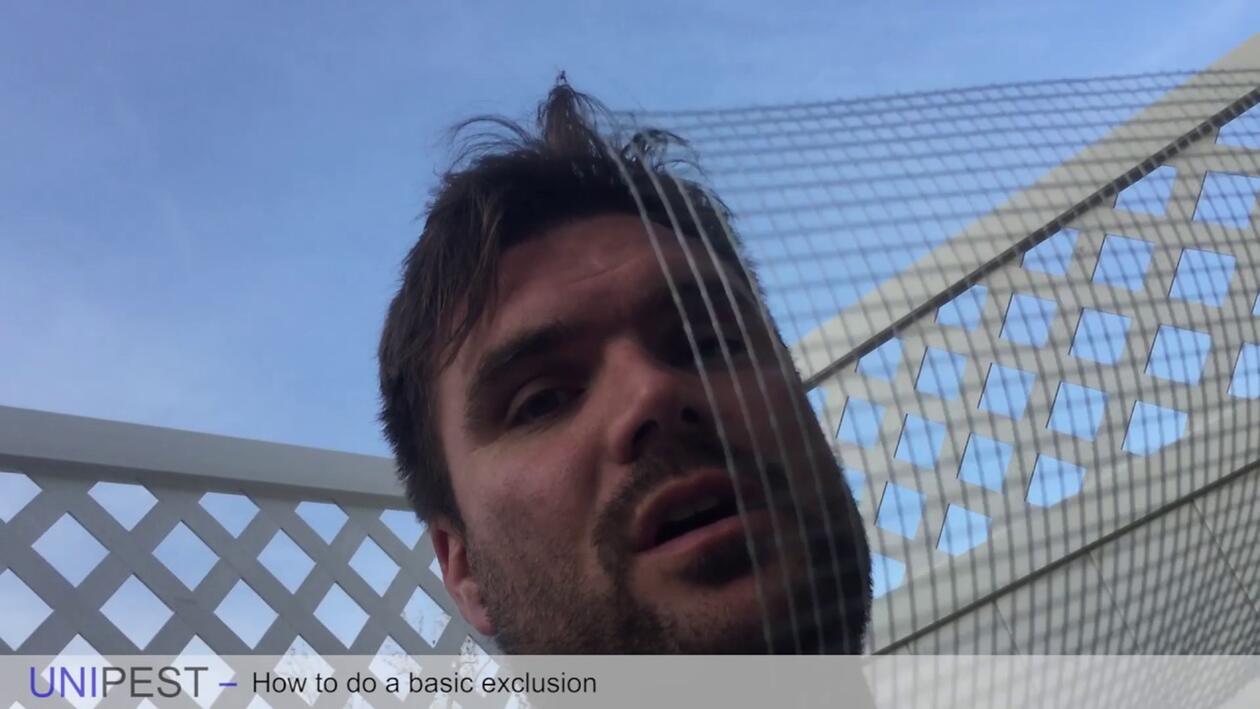
Video: How to do a basic exclusion with galvanized hardware cloth, from Unipest Pest and Termite Control.
How a crawl space job runs in Dallas
Five steps under the floor, with the sealing split either side of the trapping as it is everywhere else on the house.
-
Describe the house
Build year, whether there is a skirting wall with vents, where the access door is, and whether any part of the house is an addition on a slab.
-
Free inspection underneath
A crawl over the soil with a light: skirting, vents, access door, subfloor penetrations, duct and pipe insulation, vapor barrier and droppings all recorded.
-
Close the quiet perimeter
Hardware cloth behind foundation vents, metal at skirting gaps, a fitted and latched access door, and mortar with metal at subfloor penetrations.
-
Trap the live runs
Snap traps along the sill beams and against the skirting on the routes still in use, left a week at minimum and checked on a schedule.
-
Close out and tidy
Last openings sealed, nesting material and debris removed, the vapor barrier repaired where it was torn, and a written closure list handed over.
Why Dallas homeowners route crawl space work through us
The region under an older Dallas house is the one most quotes leave out.
Someone goes under the house
A crawl space quote written from the access door misses the two findings that matter: where the runs are along the sill beams, and which of the subfloor penetrations are open. On a pre-1965 Dallas house the inspection includes a belly crawl over the soil with a light, often under 24 inches of headroom, because that is the only way to count the openings. The opening list comes back with locations on it, and every figure on the quote traces to a line on that list.
Homes built before about 1965 in Dallas are mostly pier-and-beam
Vents screened from behind
A foundation vent is a designed opening, so the fix is a screen rather than a plug. Quarter-inch galvanized hardware cloth fixed on the inside face keeps the airflow the vent exists to provide and stops anything at or above the rat-proofing dimension UF/IFAS publishes. Screens fixed on the outside get levered off; mortar poured into the vent traps moisture under a floor that already has a clay soil problem.
A quarter inch is the rat-proofing standard, UF/IFAS Extension
The water behind the gap
A gap that reopens in the same spot every year usually has a downspout or an irrigation head behind it, because damp clay moves on its own cycle and pulls away from skirting and piers. Pointing that out is part of the inspection even though fixing drainage is not rodent control, since sealing the same opening twice costs more than moving a downspout once. The exclusion window local firms name, late August through September, is when that movement is at its most visible, and a gap wide enough to clear the quarter inch UF/IFAS sets as the rat-proofing standard in October was often a sound joint in April.
Expansive clay soil movement opens gaps at piers, skirting and penetrations
What Reddit Says About Rodents Under the Floor
Crawl space threads are shorter than attic threads and angrier, because the space is out of sight and people find out late.
The first recurring story is the quote written from the hatch. People describe a company arriving, opening the access door, shining a light in, and producing a figure, then a second company crawling the whole perimeter and coming back with four openings the first had never seen. The advice that follows is blunt: ask whether anyone is going underneath, and if the answer is vague, get another bid.
The second theme is what else gets found down there. Posters who went under their own houses describe chewed duct insulation, shredded supply line wrap, a vapor barrier pulled into a nest, and stored boxes reduced to bedding. The recommendation is always to ask which of that is rodent work and which is a repair trade, because bundling the two makes the quote impossible to compare and the repairs are often cheaper from a different contractor.
The third is the same red flag that dominates every rodent thread. Trapping with nothing sealed gets described as harvesting rodents, and people who took a monthly monitoring contract on a crawl space problem describe months of visits with the skirting gap still open at the end. Alongside it runs the advice to ask whether the exclusion is warrantied and whether the warranty renews, since nobody publishes terms.
There is also a fair amount of plain practical advice about moisture: fix the downspout, grade the bed away from the house, put a barrier down, and the space becomes much less attractive. That is the part homeowners most often say made the difference in the second year.
The contractors we route go underneath as part of the free inspection, separate the sealing from the debris and vapor barrier repairs on the quote, and will say in writing which openings were closed and with what.
A typical crawl space job on a 1920s house in North Oak Cliff
The situation: a Prairie style house on a terraced lot with a stone skirting wall, bought two years ago. Gnawing sounds under the dining room floor in the evenings and a smell in the hall closet that comes and goes.
What gets done: the crawl under the house finds 22 inches of headroom, damp soil in the corner nearest the downspout, and runs along the sill beam on that elevation. Two foundation vent screens have rusted through, the skirting has opened at two pier bays on the downhill side, and the gas line penetration through the subfloor has a finger-width gap. Fresh droppings sit along the sill. The vents are screened from behind with hardware cloth, the skirting gaps are closed with metal and mortar, the penetration is collared, and snap traps go on the sill runs while the access door, which no longer meets its frame, is left as the open route.
How it turns out: three catches in the first week, none in the second, after which the access door is rebuilt and fitted with a latch. The torn vapor barrier is replaced as a separate line, the owner moves the downspout discharge six feet out, and the closure list runs to seven items with materials against each.
Crawl space questions from Dallas homeowners
What callers on the older streets ask first.
The space itself
How do I know whether I have a crawl space?
Look at the base of the house from outside. A skirting wall with rectangular vents along it, and an access panel somewhere on a side or back elevation, means pier-and-beam with a crawl space underneath. Brick or siding running down to a visible concrete edge, with no vents, means a slab. Build year is the other guide: before roughly 1965 in Dallas is mostly pier-and-beam, after 1970 is almost all slab. A 1930s house with a 1980s addition can have both, and the junction between them is a common entry.
Can rodents get from the crawl space into the house?
Readily, through the penetrations in the subfloor. Supply and drain lines, the gas line, duct boots and wiring chases all pass through the floor, and each one leaves a gap unless it was collared. From there a mouse or a rat is inside the wall cavities, which is why activity that sounds like it is in a wall or even at ceiling level can have started underneath. Closing the subfloor penetrations is a separate step from closing the perimeter, and both belong in the scope.
Should the vents be closed up entirely?
No, they should be screened. Foundation vents exist to move air under the floor, and sealing them solid in a city with expansive clay and damp summers invites moisture into the joists. The correct answer is quarter-inch galvanized hardware cloth fixed to the inside face, which keeps the airflow and stops anything at or above the rat-proofing dimension UF/IFAS publishes. Mortar poured into a vent is a repair that creates a different problem.
Scope and cost
Is the crawl space cheaper or dearer than the attic?
It depends almost entirely on headroom and clutter rather than on the sealing materials. A crawl space with 30 inches of clearance and dry soil is a fast perimeter. One with 18 inches, damp ground and decades of stored lumber is slow, and the labor is the access rather than the metalwork. HomeGuide puts full-home exclusion at $500 to $2,500 nationally, and a crawl space perimeter is what moves a Dallas quote toward the upper half of that. Debris removal and vapor barrier work are separate lines.
Do I need the vapor barrier replaced as part of the job?
Only where it has been pulled apart, and it is a repair rather than rodent control. A barrier dragged into a nest or torn across several bays stops doing its job, and a damp crawl space is a more attractive crawl space, so replacing it has a real effect on whether the problem recurs. It is reasonable for that to be a separate line on the quote or a separate contractor entirely. Ask which it is before signing so the comparison with other bids holds.
Still have a question? Call (214) 203-5726 and ask.