Rodent Removal in McKinney, TX
McKinney holds two different kinds of rodent job. Around the historic square the houses are a century old on pier-and-beam, and out in the master-planned subdivisions they are brick on slab, and the inspections barely resemble each other.
- Historic square and piers
- Large newer subdivisions
- Collin County seat
Free Inspection in McKinney
The free inspection starts by establishing which McKinney you are in, because the opening list depends on it. On an older house near the square that means the roofline from a ladder, the attic, and a crawl under the floor to check skirting, foundation vents, the access door and the subfloor penetrations. On a newer subdivision house it means the roofline, the attic, the brick base course with the weep holes counted, and the garage. Either way every opening a quarter inch or wider is listed with a location and a material, and the quote separates trapping, sealing and cleanup.
McKinney sits about thirty-two miles north of downtown Dallas on US 75, at the far end of the Collin County run, and it is covered on the same terms as everywhere else. The phone is answered around the clock and inspections are booked between 7am and 7pm every day of the week. Call, or put the details through the contact page and a dispatcher calls back to arrange it.
The historic square and the houses around it
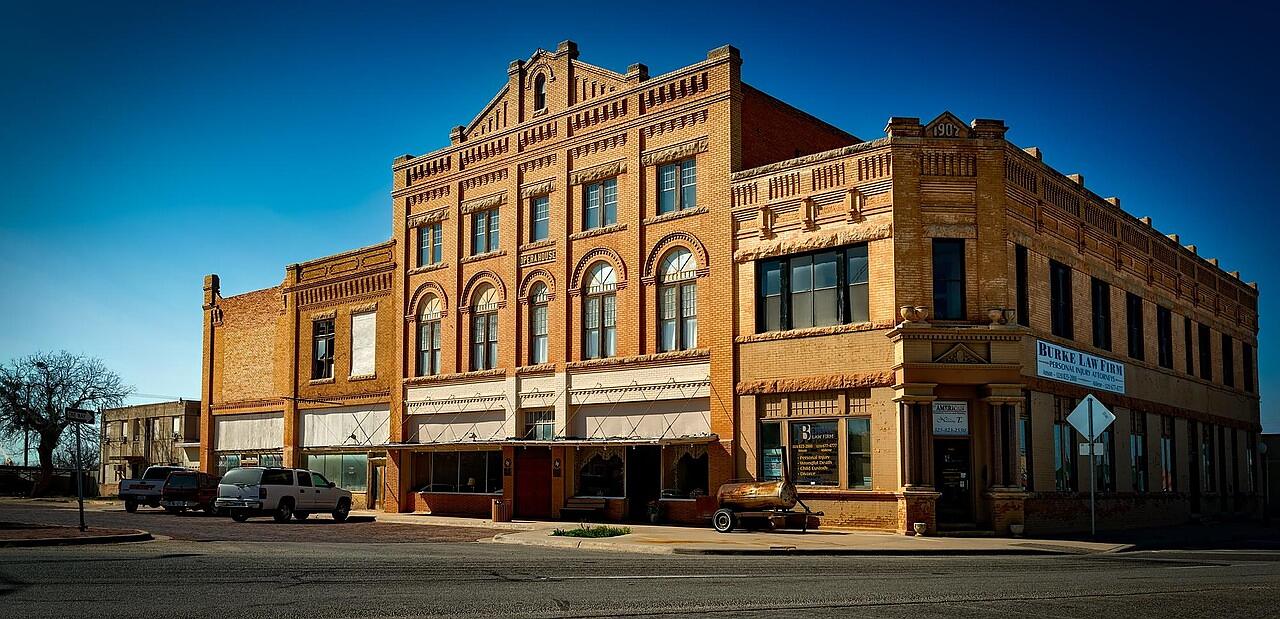
McKinney is the Collin County seat and its downtown square is ringed by streets of 19th and early 20th century houses, almost all of them on pier-and-beam.
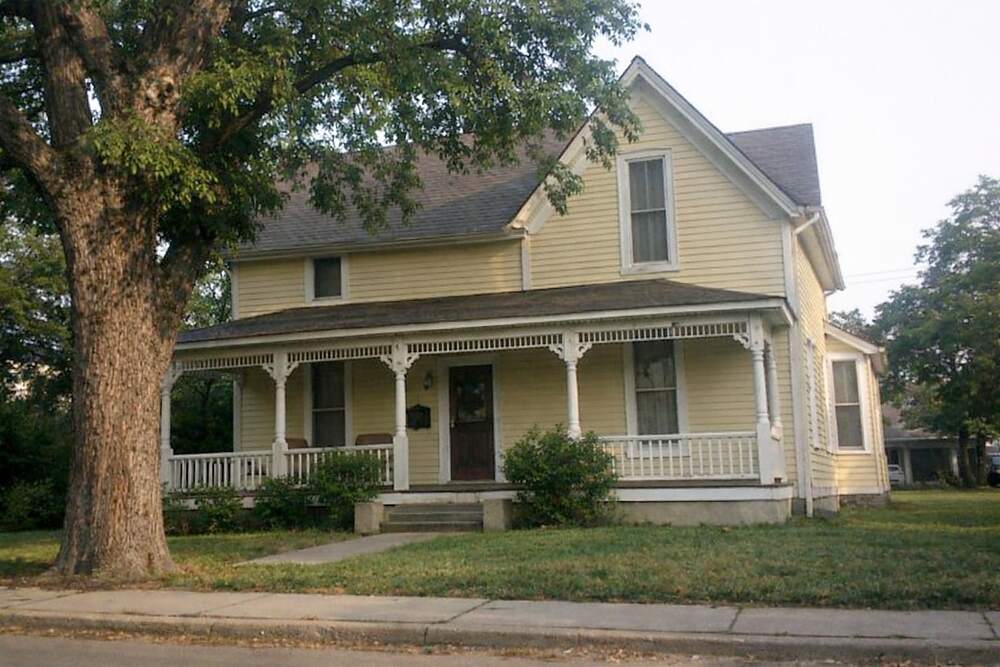
Dallas-area construction did not move to slab-on-grade until around the mid 1960s, so a house from the 1890s, the 1910s or the 1920s near the square has a crawl space underneath with a skirting wall, foundation vents, an access door and plumbing penetrations coming up through the subfloor. Many are wood frame with clapboard or shiplap rather than brick veneer, which changes the entry points: no weep holes to count, but siding gaps, rotted trim and original soffit and fascia that has been painted many times over.
Those houses have also been renovated repeatedly, and each renovation left penetrations. A kitchen refit, a bathroom added in the 1950s, central air retrofitted in the 1980s and a rewire at some point all pass through the subfloor or the top plate, and nobody closed them afterward. Those chases are what let an animal that came in under the skirting be heard inside a wall at ceiling height.
Historic district review is the other consideration. Repairs on these streets are chosen to be invisible from the road: gable louvers screened from behind with quarter-inch galvanized hardware cloth, soffit returns rebuilt as carpentry, sheet metal where the street cannot see it. Crawl space rodent control covers the underside.
The master-planned subdivisions and the creek bottoms
Most McKinney houses are in large developments built from the 1990s onward, and those are slab-built brick with a different failure pattern.
Stonebridge Ranch, Craig Ranch and the other big developments west and east of US 75 are brick veneer over wood frame on slab, with composition shingle roofs over vented attics and attached garages. The openings are the familiar ones: weep holes along the base course, the garage door bottom seal and jambs, the utility penetrations, and at the roofline the soffit returns, roof returns, vent screens and builder gaps. Planting in these developments is now mature enough in the older phases that roof rats have a road to some rooflines, while the newest phases still have young trees.
The East Fork of the Trinity and its bottoms run along the eastern side of the city, with wooded floodplain, brush and water that support a permanent ground population. Creek corridors through the developments do the same on a smaller scale. Norway rats work those banks and reach buildings under garage doors and through broken weep holes; UF/IFAS puts a roof rat's range at about 150 yards from its den, which covers any house along a wooded edge.
Newer construction adds its own openings. Soffit returns boxed but unsealed behind, plumbing stacks without collars and plane junction gaps are ordinary on a production house and are found at the inspection rather than at handover.
What We Handle in McKinney
Six services cover the range of McKinney property, and the split between the old streets and the new developments decides which apply.
- Crawl space rodent control: the skirting, vents, access door and subfloor penetrations on the pre-1965 houses near the square.
- Rodent exclusion: the whole closure scope, roofline and base of the house, on either kind of property.
- Roof rat removal: attic trapping where canopy reaches the roof, on the old streets and the older subdivision phases.
- Mouse removal: kitchen and garage trapping with the weep holes and door seal closed behind it.
- Rodent clearance letters: the written record a sale on a century-old house frequently needs.
- Attic cleanup: droppings, nests and soaked blown-in insulation removed and the attic sanitized.
A Typical McKinney Job
The situation: an 1898 wood-frame house four streets from the square, pier-and-beam, under contract to sell. The buyer's inspector has noted droppings in the attic and gnawing under the kitchen floor, and the closing is a month away.
What gets done: the crawl finds fresh droppings along the sill beam under the kitchen, a skirting board missing at one pier bay, two foundation vent screens rotted out, and a gap where a 1980s air conditioning line set was run up through the subfloor. The attic holds older pale droppings with no rub marks, so the activity is at ground level rather than overhead. The vents and the line set penetration are closed with hardware cloth and with mortar and metal, traps go on the sill run at the open skirting bay, and the missing skirting board is refitted after two empty checks. The repairs are kept out of sight from the street.
How it turns out: three catches in the first week and nothing in the second. A written record of the five areas walked, the evidence and its apparent age, the four closures with materials, and both trap check dates goes to the buyer's agent, and the sale closes on schedule.
What This Costs in McKinney
Two kinds of house mean two different quote shapes in McKinney, and the figures below are the reference for both.
| Line | Band | Source |
|---|---|---|
| Exclusion sealing, all regions | $500 to $2,500 | HomeGuide 2026 national |
| Trapping and removal | $250 to $1,200 | HomeGuide 2026 national |
| Dallas-area rat work, typical job | $224 to $1,192, average about $693 | Angi's Dallas figures |
| Return visits | $50 to $150 each | Angi's Dallas figures |
| Insulation removal and replacement | $2.50 to $5.50 per square foot | HomeGuide 2026 national |
An older house near the square tends to sit in the upper half of the sealing range, because a crawl space adds a whole perimeter and century-old trim takes carpentry rather than a cover plate. A subdivision house tends to sit in the middle, with the weep hole count and the roofline junctions doing most of the work. Every figure is a typical-job band, confirmed at the free inspection, where the measured square footage decides any insulation line.
Keeping rodents out once they are gone
Three approaches, and why sealing is the one that lasts.
Video: 3 Ways To Get Rid Of Mice or Rats, And Keep Them Out!, from Everything Homestead.
Common Questions in McKinney
What callers from McKinney ask before booking.
Old houses and new
Does my house near the square have a crawl space?
If it predates the mid 1960s, almost certainly. Dallas-area construction changed over to slab-on-grade around that point, and the streets around the McKinney square are a good deal older, so expect a skirting wall with vents, an access panel, and plumbing penetrations coming up through the subfloor. Many of these houses are wood frame rather than brick veneer, so there are no weep holes to count; the equivalent openings are siding gaps, rotted trim and original soffit and fascia.
Will the repairs be visible from the street?
They are chosen not to be, because these streets are part of why people buy here. Gable louvers are screened from behind with quarter-inch galvanized hardware cloth so the original louver stays in view, soffit returns are refitted or rebuilt as carpentry and backed with mesh, and sheet metal goes where a roof return hides it. The written closure list records what material went where, which is useful both for a historic district question and for a future buyer's inspector.
Sales and timing
The buyer's inspector found droppings. What do I do?
Get the evidence aged before you negotiate. Dark soft droppings mean current activity; pale, dry and crumbling ones mean the animals have gone. Rub marks show which openings are in use now. A house with historic evidence and nothing open is a sealing job rather than a trapping job, which is a much smaller number. What a buyer's agent will accept is a written record of the areas walked, the evidence and its age, the closures with materials and dates on every visit, described on rodent clearance letters.
How quickly can this be finished before a closing?
Allow a few weeks if there is current activity. HomeGuide's 2026 figures put trapping at two to three days for a light infestation and one to two months for a heavy one, and UF/IFAS notes roof rats are wary of new objects so a trap line needs at least a week before its results mean anything. Two consecutive empty checks are what allow a clear written statement. A house with no current activity can be sealed and documented within days.
Still have a question? Call (214) 203-5726 and ask.
Nearby Areas We Serve
The same contractors cover the towns around McKinney, and the service area runs across Collin and Dallas counties and the rest of the metro.