Rodent Removal in Highland Park, TX
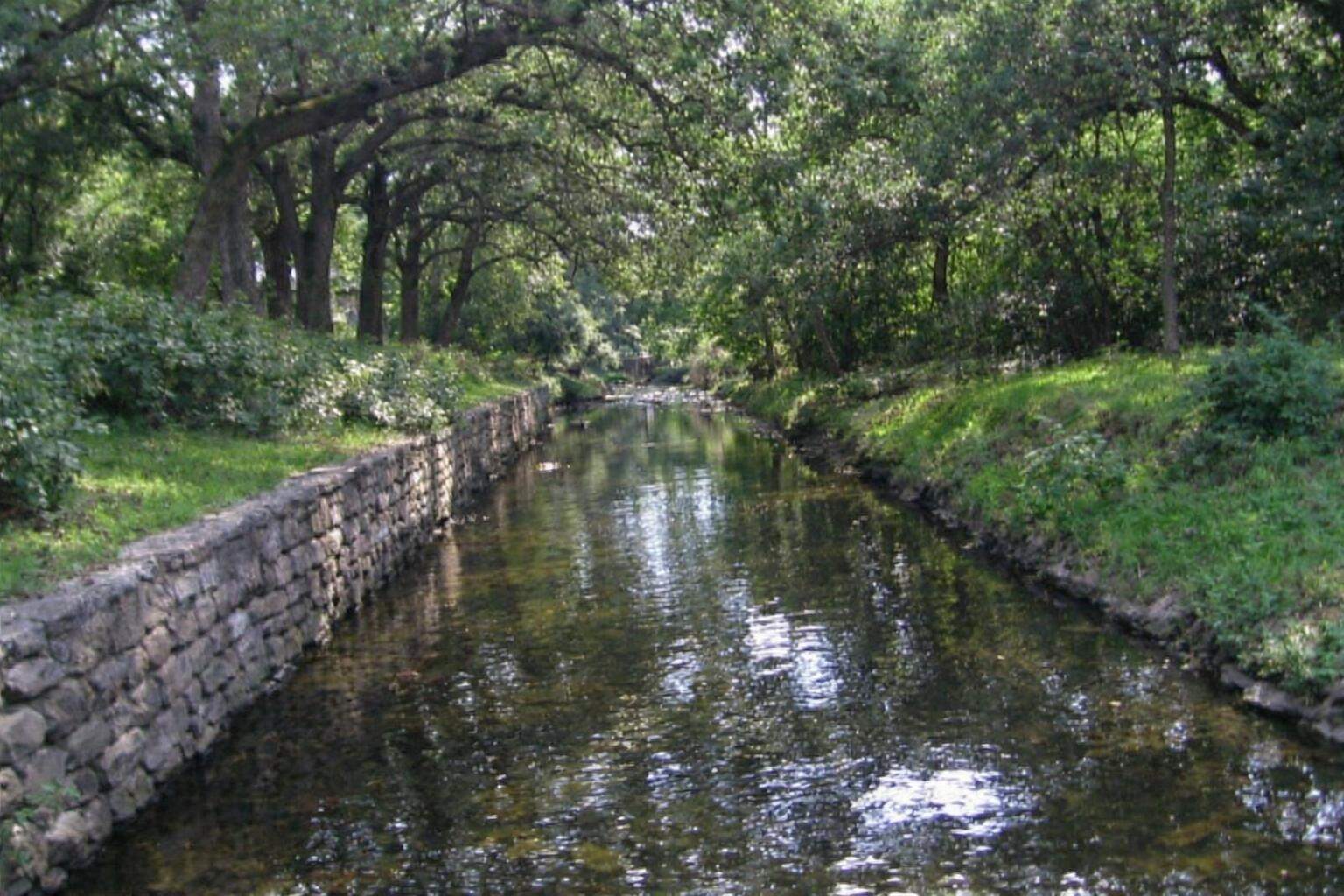
Highland Park is an enclave of 1920s to 1940s houses with some of the oldest and heaviest tree canopy in the county, a creek running through the middle of it, and building work on a street somewhere most weeks.
- 1920s to 1940s houses
- Turtle Creek canopy
- Renovation and rebuild activity
Free Inspection in Highland Park
The free inspection covers both ends of the house, because on a property of this age both are in play. A ladder goes to the soffit returns, roof returns, gable vents and fascia, the attic is entered and the droppings along the top plate are read for species and freshness, and where the house is pier-and-beam a crawl underneath checks the skirting, the foundation vents, the access door and the subfloor penetrations. Outbuildings and garden structures go on the same list. Every opening a quarter inch or wider is recorded with a material against it, and the quote prices trapping, sealing and cleanup separately.
Highland Park is four miles or so north of downtown Dallas, a few minutes from the Pacific Avenue office, so it is among the closest areas covered. The phone is answered around the clock and inspections are booked from 7am to 7pm any day of the week. Call, or use the contact page and a dispatcher will call back.
Houses from the 1920s to the 1940s, with decades of alterations
Highland Park's original housing dates from the 1920s to the 1940s, which places it firmly in the pier-and-beam era, and almost every house has been altered since.
Dallas-area construction did not move to slab-on-grade until around the mid 1960s, so the older houses here sit on piers with a crawl space underneath, and some of the larger ones have full or partial basements and service rooms below grade. The roofs are steep and complex: multiple gables, dormers, slate or tile on some houses, long soffit runs, boxed soffit returns at the gable corners, and roof returns where a lower roof meets a wall.
Alteration history is the defining local factor. Kitchens have been rebuilt more than once, bathrooms added, central air retrofitted, pools and pool houses installed, basements finished, and whole rear elevations replaced, and each of those passed pipe, duct, conduit or cable through a subfloor, a top plate or a slab edge. Very few of those penetrations were collared afterward. Those chases are what let an animal that entered under the skirting be heard at ceiling height in a bedroom.
Additions are usually slab, which leaves a seam at grade between two foundation systems on a large share of properties. Crawl space rodent control covers the underside.
Turtle Creek and the canopy over it
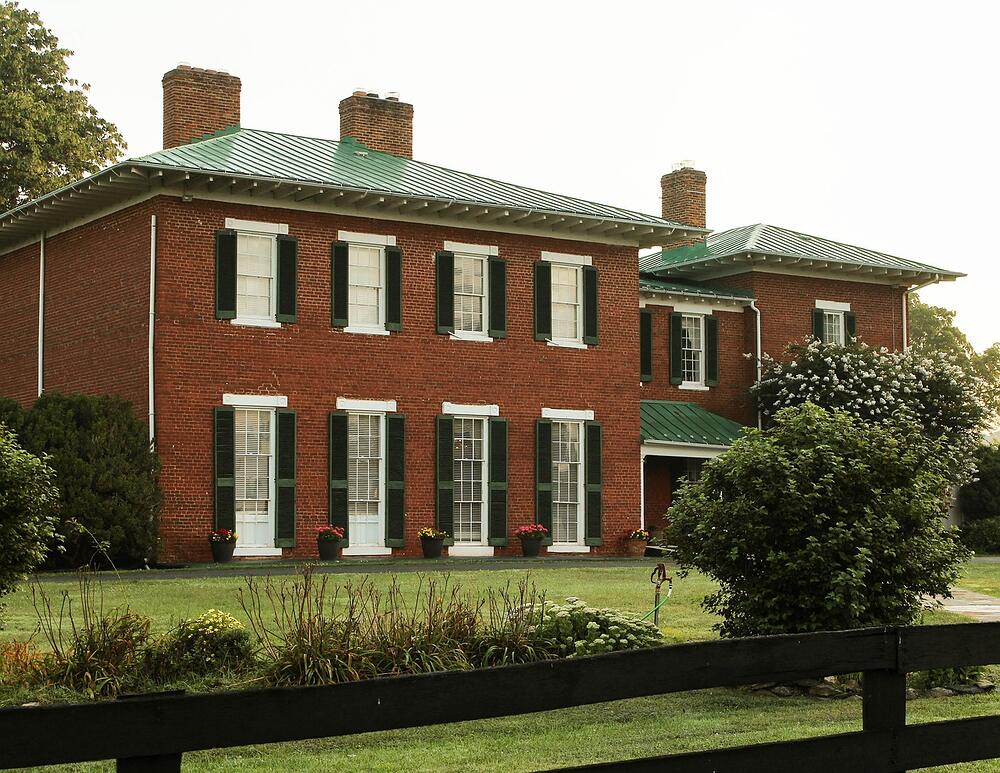
The tree cover here is the oldest in the area and it sits directly over the rooflines.
Turtle Creek runs through the middle of the enclave with a wooded corridor along it, and the residential streets carry live oaks, red oaks, pecans and cedar elms that were mature decades ago. That combination, a creek corridor supplying water and cover and a continuous canopy reaching the roofs, is the strongest possible setup for roof rats. UF/IFAS describes the animal as arboreal, traveling along limbs, wires and fences, and puts its range at about 150 yards from its den, which on streets this size means the den is frequently on a neighboring lot.
Heavy ivy is a local feature worth naming on its own. Ivy on a garden wall, a garage or the house itself is both cover and a ladder, and on these properties it is often what connects the ground population to the roofline.
The practical result is that a Highland Park quote carries a clearance line alongside the sealing: limbs cut back off every roof plane, cable runs to fascia checked, garden wall ivy cut back from structures, and fence line contact noted. Roof rat removal is the service most of these calls turn into.
Building work on the street
Highland Park has renovation, rebuild and teardown activity running more or less continuously, and active construction displaces rodents onto finished houses.
Demolition, excavation and trenching turn over soil and remove cover, and whatever was living in it moves to the nearest intact structure. A house beside a site that has been open for a few months is dealing with displaced animals rather than a problem of its own making, and the houses either side of a long project often get their first call during it.
Construction also opens the building being worked on. Scaffolding touches the roof, a roof is left partly decked, a wall is left open overnight, and a temporary cover gets lifted by wind. That is a short window, and it is long enough.
Where a project on your own property is in progress, the practical measures are to keep the structure closed overnight, to keep materials stacked away from the walls, and to have the closure list done at the end of the work rather than before it. Where the project is next door, the answer is to seal your own building and keep the limbs off your own roof.
What We Handle in Highland Park
Six services cover nearly every Highland Park property, weighted toward the roofline and the documentation.
- Roof rat removal: attic trapping sequenced with roofline sealing, the commonest job on these streets.
- Rodent exclusion: the whole closure list, roofline and base of the house, with each material named.
- Crawl space rodent control: the skirting, vents, access door and subfloor penetrations under a pier-and-beam house.
- Attic cleanup: droppings, nests and soaked blown-in insulation removed and the attic sanitized, photographed at both ends.
- Dead rodent removal: the carcass located and removed through the smallest possible access.
- Rodent clearance letters: the dated written record a sale, a lender or an insurer asks for.
A Typical Highland Park Job
The situation: a 1929 house on a street near the creek, pier-and-beam with a slab addition from the 1990s, heavy ivy on the garden wall and a pecan over the back roof. Running above a bedroom ceiling after dark, and a teardown two doors along that has been open since the summer.
What gets done: the ladder finds a boxed soffit return lifted at the back gable corner with rub marks at its edge and a roof return over the 1990s addition that was never closed underneath. In the attic, droppings a quarter to half an inch long with pointed ends run along the top plate, dark and soft. Underneath, the skirting is sound but the seam where the addition's slab meets the original skirting has opened, with older droppings and no rub marks. The roof return and the slab seam are closed first, traps hold the soffit return run, the pecan limb is cut clear of the roof plane, and the ivy is cut back off the garden wall and the garage.
How it turns out: four catches in the first week and one at the second check, then nothing. The soffit return is rebuilt as carpentry and backed with hardware cloth, the insulation is compressed along one run and a measured cleanup is quoted on its own line, and the owner keeps a closure list of five items with materials and photographs.
What This Costs in Highland Park
An older house with two foundation systems and a complex roof sits toward the upper half of the published ranges, and the bands below are the reference.
| Line | Band | Source |
|---|---|---|
| Exclusion sealing, all regions | $500 to $2,500 | HomeGuide 2026 national |
| Trapping and removal | $250 to $1,200 | HomeGuide 2026 national |
| Typical Dallas-area rat job | $224 to $1,192, average about $693 | Angi's Dallas figures |
| Attic cleanup and decontamination | $600 to $2,500 | HomeGuide 2026 national |
| Full restoration, heavy case | $3,000 to $10,000 or more | HomeGuide 2026 national |
Three things put a Highland Park house higher in the sealing band: a crawl space perimeter on top of the roofline, a steep complex roof with several gables, dormers and roof returns to reach, and outbuildings such as a pool house, a garage apartment or an equipment enclosure. Slate or tile roofing adds care rather than cost to the sealing itself. Each band is a typical-job figure, and the free inspection is what produces the itemized quote.
Mice, squirrels, or something else
How the signs differ between the two.
Video: Signs of Mice vs. Squirrels In Your Attic, from Skedaddle Humane Wildlife Control.
Common Questions in Highland Park
What callers from Highland Park ask before booking.
The house and the trees
Why is the noise at ceiling level when the activity is underneath?
Because a chase is carrying it up. These houses have been altered many times, and kitchen, bathroom, HVAC and electrical work has passed pipe, duct, conduit and cable through the subfloor and the top plates, with very few of those penetrations collared afterward. An animal that entered under the skirting travels up a chase into a wall cavity and is heard at shoulder or ceiling height. Tracing those penetrations from the crawl space up is how they get found and closed.
Do the limbs and the ivy really have to be cut back?
On these streets that line does more than any other. UF/IFAS describes the roof rat as arboreal, traveling along limbs, wires and fences, with a range of about 150 yards from its den, and the canopy here is old enough to sit on the roofs. Ivy on a garden wall or a garage is cover and a ladder at the same time, and it is often what links the ground population to the roofline. The work is a clearance off the roof plane and off the structures rather than a reshaping of the planting.
Construction and paperwork
There is a teardown next door. Is that why this started?
Very likely. Demolition, excavation and trenching turn over soil and strip cover, and whatever was living there moves to the nearest intact building. Houses either side of a long project commonly get their first rodent call during it. You cannot seal the site next door, so the answer is to close your own building to the quarter-inch standard, get the limbs and the ivy off your own roof, and keep materials and bins away from your walls.
Can I get a written record for a sale or an insurer?
Yes, and on houses at this level it is usually the reason for the call. The record names the areas walked and any that could not be reached, describes the evidence and its apparent age, lists the openings closed with the material at each one, references numbered photographs, and dates every visit including the trap checks. That is what an adjuster or a buyer's agent will read. It is described on rodent clearance letters.
Still have a question? Call (214) 203-5726 and ask.
Nearby Areas We Serve
The same contractors cover the towns around Highland Park, and the service area runs across Dallas County and the rest of the metro.