Rodent Removal in Grand Prairie, TX
Grand Prairie stretches a long way east to west, from an older core with mid-century housing to newer development near Joe Pool Lake, with warehouse corridors along two interstates in between.
- 1940s to 1960s older core
- Lakes on the south side
- I-30 and I-20 warehousing
Free Inspection in Grand Prairie
The free inspection starts with the build era, because the older core and the newer south side need different lists. On an older house it covers the roofline, the attic, the base course and the garage, with a crawl underneath on any house old enough to sit on piers. On a newer one it covers the roofline junctions, the attic, the weep hole count and the garage door seal and jambs. Droppings are read for species and freshness, every opening a quarter inch or wider is recorded with a material against it, and the quote prices trapping, sealing and cleanup separately.
Grand Prairie is about fifteen miles west of downtown Dallas along I-30, with the southern half reached off I-20, and all of it is inside the normal dispatch range. The phone is staffed around the clock and inspections are booked between 7am and 7pm any day. Call, or use the contact page and somebody rings back to fix a slot.
The older core, and the two foundation systems in it
The original part of Grand Prairie was built out between the 1940s and the 1960s, which places it either side of the changeover from piers to slabs.
Dallas-area construction moved to slab-on-grade around the mid 1960s, so a 1947 house in the core is likely to have a crawl space while a 1964 house may not. On a pier-and-beam house the list adds a whole perimeter underneath, skirting between piers, foundation vent screens, an access door and plumbing penetrations up through the subfloor, and many of the oldest houses here are wood frame rather than brick veneer, which replaces the weep hole count with siding gaps and aging trim.
Trees in the core are seventy or eighty years old, which puts limbs at or above the low rooflines of mid-century houses and makes roof rats a real candidate rather than a theoretical one. UF/IFAS describes the animal as arboreal, traveling along limbs, wires and fences, with a range of about 150 yards from its den.
Components of this age have usually given out: garage door seals worn to daylight, soffit panels lifted, gable vent screens rusted, vent hood flaps missing, and cracked mortar at the gas and hose bib penetrations.
Joe Pool Lake, Mountain Creek Lake and the interstate warehouse belts
Grand Prairie has two lakes on its southern side and heavy industrial corridors along both interstates, and they produce different kinds of rodent pressure.
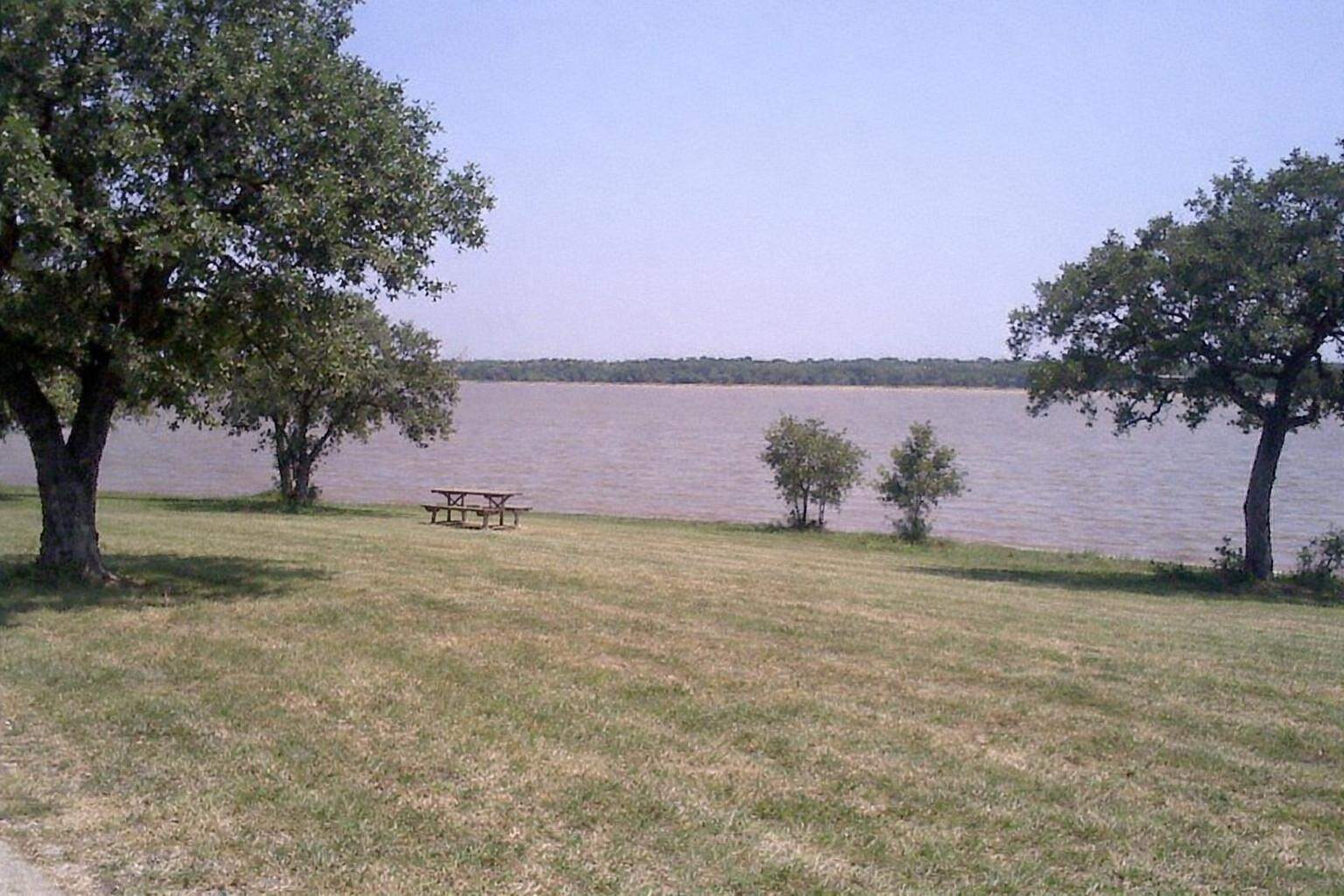
Joe Pool Lake and Mountain Creek Lake bring shoreline, brush, coves and permanent water to the residential south side, along with creek corridors running inland. Norway rats work that ground at the base of buildings, entering under garage doors and through broken weep holes, and the tree cover along the water gives roof rats a route up to a roofline. The newer housing there is slab-built, so the ground-level list is the weep holes, the door seal and the penetrations.
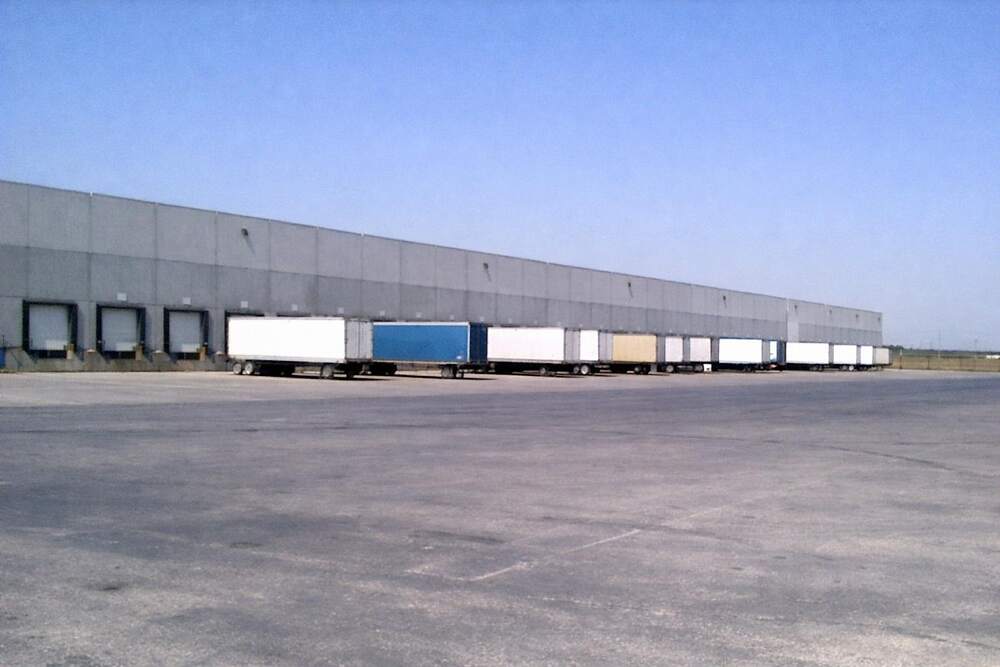
The warehouse and distribution belts along I-30 and I-20 are a commercial matter and a large one. Dock door seals, roll-up door guides, man door sweeps, floor drains, conduit penetrations and roof curbs are the envelope, and dumpster enclosures with burrow systems behind them are usually the harborage rather than the buildings. A numbered device map, a dated service log and corrective action notes are what a health inspection, a customer audit or a third-party food safety standard expects, and commercial rodent control covers that scope.
Houses near those corridors feel the overflow, which is another reason to finish the ground-level closure list rather than most of it.
What We Handle in Grand Prairie
Six services cover the range across Grand Prairie, from the old core to the industrial belts.
- Rodent exclusion: the whole closure list, roofline and base of the house, with a material named at each opening.
- Crawl space rodent control: the perimeter underneath on core houses built before the mid 1960s.
- Roof rat removal: attic trapping where eighty-year-old trees stand over a low roof.
- Mouse removal: kitchen and garage trapping with the weep holes and the door seal closed behind it.
- Commercial rodent control: warehouses, distribution and food service on the I-30 and I-20 corridors.
- Attic cleanup: droppings, nests and soaked blown-in insulation out of an older attic, then sanitized.
A Typical Grand Prairie Job
The situation: a 1951 wood-frame house in the older core, pier-and-beam, with a detached garage on the alley and a hackberry overhanging the back roof. Scratching under the dining room floor, droppings in the garage, and a smell in the hall that comes and goes.
What gets done: the crawl finds fresh droppings along the sill beam under the dining room, a rotted skirting board at one bay, two failed foundation vent screens, and a gap where a 1970s air conditioning line set passes up through the subfloor next to the hall, which explains the smell reaching the room. In the attic the evidence is old and dry with no rub marks. The garage has a gap under the door and an unscreened gable. The vents, the line set penetration and the garage openings go first, traps hold the sill run at the rotted board, and the hackberry limb is cut clear of the roof.
How it turns out: the sill run produces through the first week and falls away by the second check. The skirting board is replaced, the smell stops once the penetration is closed and a nest is pulled out of the adjacent bay, and the closure list covers two buildings with seven items.
What This Costs in Grand Prairie
The figures below are the published bands a Grand Prairie quote should be read against, line by line.
| Line | Band | Source |
|---|---|---|
| Sealing a whole house | $500 to $2,500 | HomeGuide 2026 national |
| Trapping and removal | $250 to $1,200 | HomeGuide 2026 national |
| Rat work in the Dallas area, typical job | $224 to $1,192, averaging near $693 | Angi's Dallas figures |
| Cleanup and decontamination | $600 to $2,500 | HomeGuide 2026 national |
| Each return visit | $50 to $150 | Angi's Dallas figures |
An older core house with a crawl space and a detached garage sits in the upper half of the sealing band, because there are two buildings and an extra perimeter. A newer south side house sits lower, with the base course count and the roofline junctions making up the list. Commercial sites on the interstate corridors are quoted from a survey instead, since these bands describe house-scale work. Each is a typical-job figure, confirmed at the free inspection.
Materials that keep rodents out
A comparison of what actually holds at a gap.
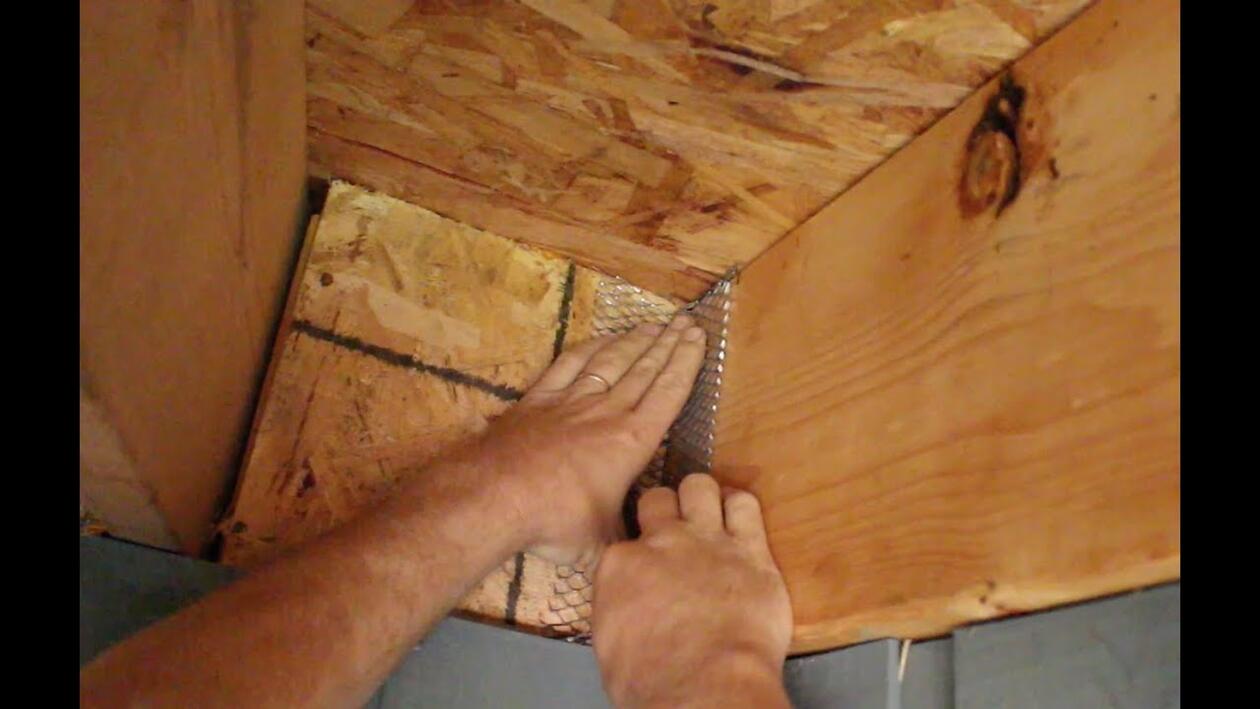
Video: How to keep mice out. Cheaper than hardware cloth, from Ontario Lakeside.
Common Questions in Grand Prairie
What callers from Grand Prairie ask before booking.
The house
Why do I hear it under the floor rather than overhead?
Because you are probably on a pier-and-beam foundation and the animals are in the crawl space. Houses in the older core built before the mid 1960s usually have a skirting wall with vents and a void underneath, and Norway rats and mice use it because it is dark, sheltered and floored with bare soil. From there they travel up the plumbing and duct chases into wall cavities, which is why the same problem can later sound like it is in a wall. The perimeter and the subfloor penetrations both go on the closure list.
Does the detached garage on the alley need doing?
Usually it needs doing first. A 1950s garage on an alley commonly has a settled slab leaving an inch under the door, an unscreened gable end, and decades of stored material inside giving nesting cover a few yards from the house. Norway rats stay at ground level and use exactly those openings. The closures are a threshold strip or sweep at the door base, quarter-inch galvanized hardware cloth at the gable, and sheet metal at any roof junction, itemized separately on the quote.
Outside and commercial
Does being near the lakes or the warehouse corridors matter?
Both raise the outside pressure without changing the closure list. Shoreline and creek edges supply water, brush and burrowing ground, and dumpster enclosures behind commercial buildings support burrow systems that spill into nearby streets. UF/IFAS puts a roof rat's range at about 150 yards from its den, and Norway rats travel similar distances at ground level. What that means in practice is that finishing the whole list matters, and clearing brush and wood piles back from the walls is worth the time.
Can a warehouse be covered as well as a house?
Yes, as a commercial scope. That means the envelope sealed as an itemized capital line, dock door seals, sweeps, roll-up guides, drains, conduit penetrations and roof curbs, plus interior traps and monitors on a numbered map and a dated service log with corrective action notes. Exterior bait stations need a contractor holding a TDA license, so the TPCL number goes in the property file. Dallas City Code chapters 40 and 27 put the rodent-proofing duty on the owner.
Still have a question? Call (214) 203-5726 and ask.
Nearby Areas We Serve
The same contractors cover the towns around Grand Prairie, and the service area runs across Dallas County and the rest of the metro.