Rodent Exclusion in Dallas, TX
Exclusion is the permanent half of a rodent job: every opening a quarter inch or wider closed with material an animal cannot chew. Contractors handle the sealing on Dallas brick veneer, slab and pier-and-beam alike.
- Quarter-inch sealing standard
- Brick weep holes kept draining
- Written list of closures
What a Dallas exclusion scope covers
Exclusion means closing a whole building, top and bottom, with materials chosen so that chewing through them is not an option.
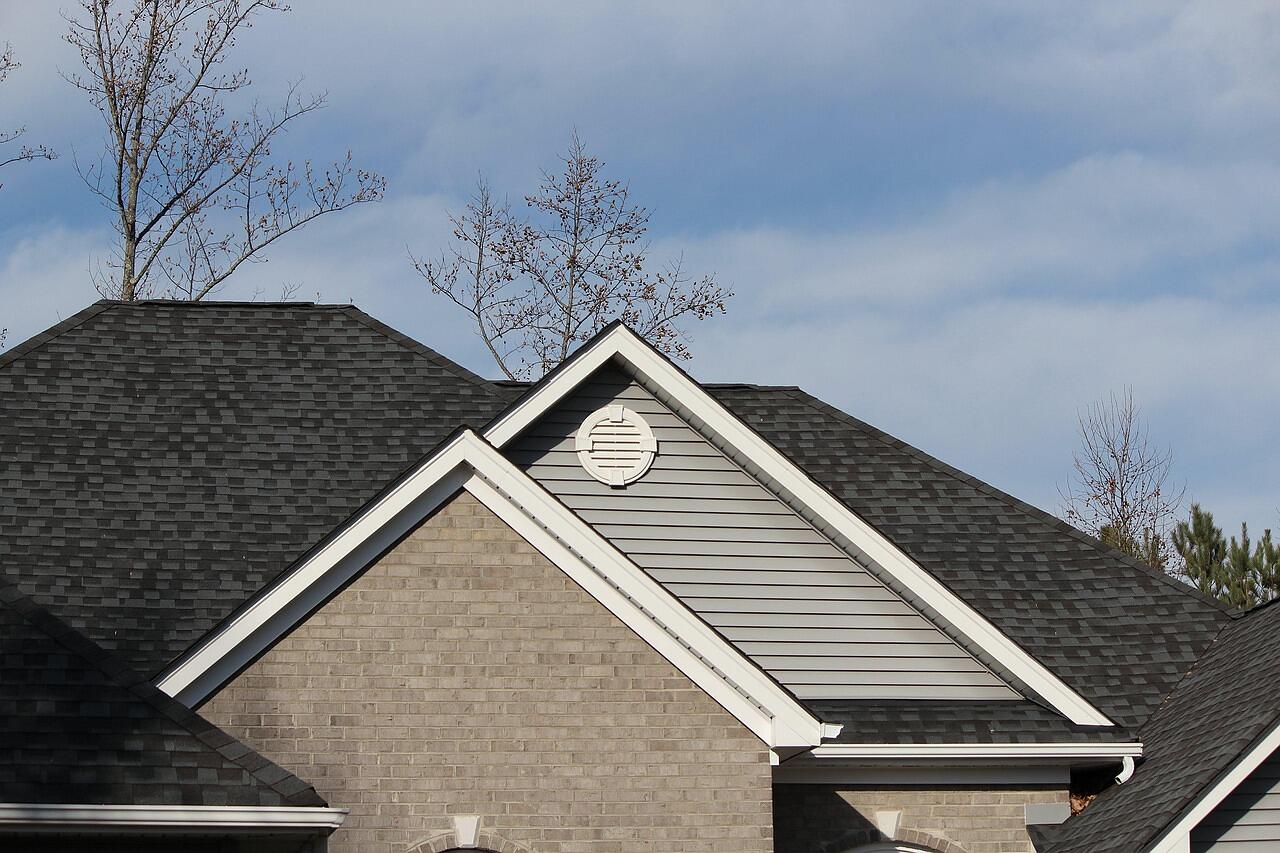
On a typical Dallas house the scope runs like this. The roofline first: soffit returns rebuilt or backed with quarter-inch hardware cloth, gable and ridge vents re-screened from behind with galvanized mesh, roof returns closed with sheet metal, plumbing stacks fitted with metal collars, builder gaps at roof plane junctions flashed, and fascia gaps closed. Then the base of the house: the weep holes along the brick base course fitted with stainless or copper covers that leave the drainage path open, the garage door bottom seal replaced and the side jambs checked, utility penetrations collared with mortar and metal, and dryer and bathroom vent hoods re-screened.
On a house built before roughly 1965, which in Dallas means most of Old East Dallas, Lakewood, the M Streets, Casa Linda, Kessler Park, Winnetka Heights and older Oak Cliff, the crawl space is the third region: skirting gaps closed, foundation vent screens replaced with metal, the access door fitted and latched, and subfloor plumbing penetrations sealed. Crawl space rodent control is the page for that work on its own.
Limb clearance off the roof plane and fence-line checks come in the same visit, because a sealed house under a resting oak limb is a sealed house the animals keep testing.
Work out roughly what this job costs in Dallas
Six questions, priced from the Angi Dallas figures and the HomeGuide 2026 national bands further down the page. The spread is wide on purpose: the number of openings and the foundation type decide most of it, and neither can be counted from a form.
Bands come from Angi's Dallas rat exterminator page and HomeGuide's 2026 national guides. Every figure is confirmed at the free inspection.
The quarter-inch standard and why it decides the material list
A quarter inch is the rat-proofing measure, which is tighter than either animal strictly needs.
UF/IFAS Extension gives a quarter inch for a mouse and half an inch for a rat, and sets a quarter inch as the rat-proofing standard for sealing work. Building to the tighter figure is what makes one closure serve for roof rats, Norway rats and house mice at the same time, and it is the reason a gap that looks harmless gets closed anyway.
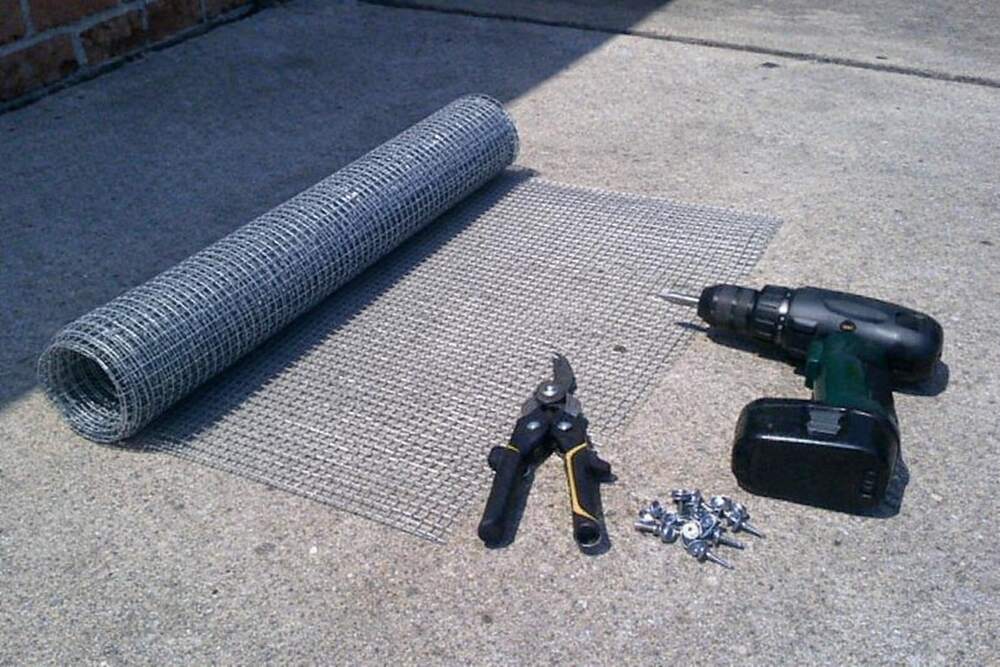
Material choice follows from that. Quarter-inch galvanized hardware cloth holds at vents, soffit returns and foundation vents. Sheet metal is the answer under roof returns and over chewed fascia. Mortar with embedded metal closes masonry penetrations. Purpose-made weep hole covers close the brick base course while leaving the cavity behind it able to drain, which matters in a city that gets its rain in short heavy bursts. A new rubber bottom seal closes a garage door, and astragal or jamb seals close the sides.
Why expanding foam on its own fails
Foam is chewable and rodents chew it, which puts it in the same category as steel wool stuffed in a gap.
Foam has a real use as a backing or a filler behind metal, where it blocks light and air and holds mesh in place. Used alone at an opening, it lasts until the next animal tests it. A quote that lists foam as the primary closure material at the roofline is a cheap quote for a short-lived job, and recognizing that line is one of the most useful things a homeowner can take from reading a few bids.
Is my house slab or pier-and-beam, and does it change the sealing?
The foundation decides whether there is a third region to seal, and in Dallas the build year tells you which you have.
Homes built before roughly 1965 in this city are mostly pier-and-beam with a crawl space underneath; almost everything built after 1970 is slab-on-grade. If you can see a skirting wall with vents along the base of the house, or the floors have a slight bounce and the plumbing runs are reachable from below, it is pier-and-beam. If the brick runs straight down to a visible concrete edge and the floor is solid underfoot, it is a slab.
| Region | Pier-and-beam, pre-1965 | Slab-on-grade, post-1970 |
|---|---|---|
| Roofline | Soffit returns, gable vents, older fascia and knob-and-tube era penetrations | Soffit returns, ridge and gable vents, roof returns, builder gaps, plumbing stacks |
| Base of the house | Skirting gaps, foundation vent screens, access door, subfloor penetrations | Brick weep holes, slab edge gaps, garage door seal, utility penetrations |
| Usual species at ground level | Norway rats and mice under the floor | Mice at the weep holes, Norway rats at the garage door |
| Typical opening count | Higher, because the crawl space adds a perimeter | Lower, concentrated at the base course and the garage |
Clay soil is the complication both kinds share. Dallas sits on expansive clay that swells and shrinks through the year, moves foundations and opens gaps at slab edges, weep holes and utility penetrations. That movement is why a house sealed five years ago can have new gaps today, and why the inspection walks the base of the building as carefully as the eave.
Is it safe to do exclusion before trapping?
Sealing the quiet openings first is safe and sealing all of them first is not, which is why the work splits around the trapping.
The sequence that holds is: find every opening, close the ones with no current traffic, trap the animals still inside on the routes left open, then close those last routes once two consecutive trap checks come up empty. That order shrinks the house down so the trapping is efficient, and it avoids the two failures at either extreme. Close everything with animals inside and they chew out through a soffit panel or die in a wall cavity, which is how a trapping job becomes a dead rodent removal job. Seal nothing and the trap line never reaches zero, because a roof rat ranges about 150 yards from its den per UF/IFAS and the canopy keeps supplying replacements.
On a house with no current activity, for example after a previous company trapped and left, the whole scope can be sealed in one pass. The inspection is what tells the two situations apart, by reading droppings for freshness and checking rub marks and trap response.
What rodent exclusion costs in Dallas
Published national figures put whole-house exclusion in the high hundreds to low thousands, and the opening count is what places a given house inside that range.
| Line item | Published band | Source |
|---|---|---|
| Full-home exclusion sealing | $500 to $2,500 | HomeGuide 2026 national |
| Trapping and removal, where animals are present | $250 to $1,200 | HomeGuide 2026 national |
| Typical Dallas rat job, all lines | $224 to $1,192, average near $693 | Angi's Dallas figures |
| Inspection fee where charged | $100 to $200 (no charge here) | Angi's Dallas figures |
| Follow-up visit | $50 to $150 | Angi's Dallas figures |
Six things move a sealing quote: how many openings there are, how high and steep the roof is, whether the brick base course needs covers along its full length, whether the garage door needs a new seal or new jambs as well, whether a crawl space perimeter is in scope, and how much limb work is needed to take the bridges away. A single-story slab ranch with three soffit returns and a dozen weep holes sits near the bottom of the band. A two-story pier-and-beam Tudor with a steep roof, two gable vents, a full crawl space perimeter and three heavy limbs over the roof plane sits near the top.
The estimator above turns six answers into a range using these same figures. The quote that follows the free inspection is the number to plan around.
When to seal a Dallas house
Late August through September is the window local firms name, and it sits there for two reasons.
The first is the soil. A North Texas summer dries expansive clay hard, which moves foundations and opens gaps at slab edges, weep holes and utility penetrations. By late August those gaps are at their widest and at their most visible, so an inspection then finds openings that close up again after the fall rains and reopen the following July. Sealing what is open at its widest is sealing for the whole year.
The second is the animals. Mild Dallas winters mean rodents breed through most of the year, so there is no season with no pressure, but the calls turn sharply with the first cool fronts in late September or October and peak from November through February. A house closed in September meets that pressure already shut. A house that waits until the scratching starts in November is a trapping job plus a sealing job instead of a sealing job.
None of that makes winter sealing pointless. It only means a January call starts with trapping and finishes with closures, where a September call is closures alone. The free inspection is the same visit in either month.
What to check before an exclusion contract is signed
Four questions and one credential check cover it.
- Is there a written list of closures? Opening, location, material. A sealing job with no document is impossible to hold anyone to.
- What material at each opening? Hardware cloth, sheet metal, mortar and metal, weep hole covers. Foam as a primary closure is the answer to watch for.
- Is the warranty term stated, and does it renew? No Dallas company publishes its terms, so the terms you get are the ones you ask for.
- Does the price include the trapping and the follow-ups, or are those separate? Separate is fine and clear; bundled and unstated is the problem.
On credentials, Texas regulates structural pest control through the Texas Department of Agriculture, and rodents fall expressly inside that scope. Sealing work is a different matter from bait: Texas Occupations Code section 1951.058 exempts the installation and maintenance of a nonpesticidal barrier to keep nuisance animals out, along with live trapping, from the licensing chapter. A pure exclusion contractor may therefore lawfully hold no TDA license, which is why several North Texas wildlife firms describe themselves as certified and insured. The contractors we route hold a TDA license where the work requires one, and any contractor placing bait must. Ask for the TPCL number where bait is quoted and check it on the TDA license search, and ask for proof of insurance on every job, because exclusion work means ladders and roofs.
Dallas City Code chapter 40 on rat control and chapter 27 on minimum property standards put the duty to keep a structure rodent-proof on the owner, enforced by Dallas Code Compliance, so a sealing record is worth keeping. Who attends and how the dispatch works is on the about page; hours and address are on the contact page.
Services that usually run alongside this one
A Dallas rodent job is a sequence of separate lines on one quote, and these are the pages for the steps around this one.
- Roof Rat Removal: Trapping the attic rat that dominates Dallas, sequenced with sealing the roofline.
- Crawl Space Rodent Control: Skirting, vent screens and access doors on the pier-and-beam homes built before 1965.
- Rodent Inspection: A free walk of the roofline, attic, brick base course, garage and any crawl space.
The order these steps run in is set out on the about page, and a dispatcher will talk it through on the phone at whatever hour you call.
Hardware cloth, fitted properly
The material that holds, and how it is cut in.
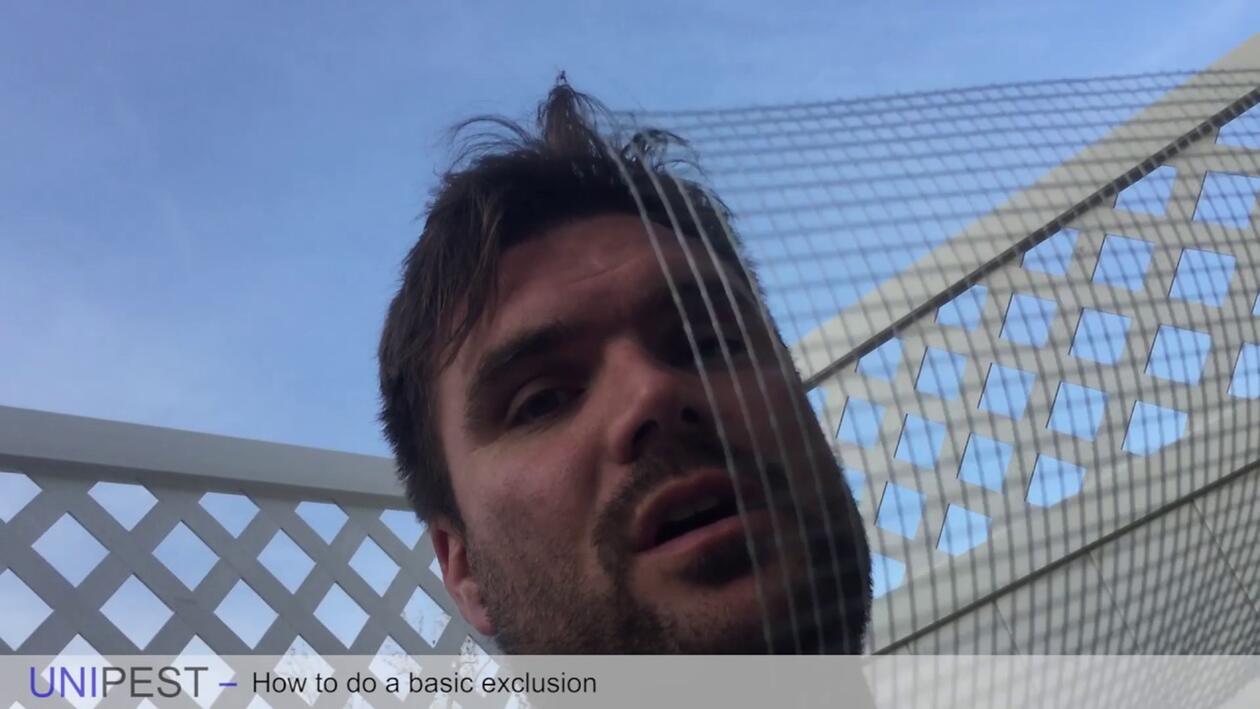
Video: How to do a basic exclusion with galvanized hardware cloth, from Unipest Pest and Termite Control.
How an exclusion job runs in Dallas
The closures are split either side of the trapping, so nothing live is shut inside and nothing is left open at the end.
-
Describe the building
Build year, single or two story, brick or siding, garage attached or not, and whether there is a crawl space. That sets the likely opening list before anyone drives out.
-
Free inspection and count
Roofline, attic, brick base course, garage, utility penetrations and crawl space walked with a light, every opening measured, photographed and listed with a material against it.
-
Close the quiet openings
Hardware cloth, sheet metal, collars and weep hole covers go on everything with no current traffic, leaving one or two known routes for the animals inside.
-
Trap, then close the rest
Snap traps hold the open runs for at least a week, then those last openings are closed once two checks come up empty and the activity has stopped.
-
Clear the bridges and hand over
Limbs cut back off the roof plane, fence and cable routes checked, and a written list of every closure with its location and material.
Why Dallas homeowners route exclusion work through us
Sealing is the line on the quote that decides whether anything else was worth paying for.
Weep holes closed, still draining
Brick veneer over wood frame is the Dallas norm, and the weep holes along the base course are a genuine part of how the wall sheds water. Stuffing them with foam or mortar invites a moisture problem behind the brick. Stainless or copper weep hole covers close the opening to the quarter-inch standard and leave the cavity able to drain, which is the correct answer for a house that takes its annual rain in short heavy storms.
Quarter inch for a mouse, half an inch for a rat, UF/IFAS Extension
A closure list you can hand on
Every opening closed is recorded with its location and the material used, which turns an invisible job into a document. That record is what a buyer's inspector, an HOA or an insurer can read, and it is the basis of the clearance letter if a closing needs one. Nobody ranking in the Dallas market publishes written exclusion terms, so asking for the record is how a homeowner gets one.
Dallas City Code chapters 40 and 27 put rodent-proofing on the property owner
Built for the clay to move
Expansive clay under the whole city swells and shrinks through the year, moving foundations and opening gaps at slab edges, weep holes and utility penetrations. That is why the sealing window local firms name is late August through September, when a dry summer has the gaps at their widest and an inspection can find all of them. Closures are sized to the quarter-inch standard UF/IFAS publishes and fixed with metal rather than filler, so a gap that widens by a few millimeters in next July's heat stays under the limit instead of reopening.
Late August to September, the local exclusion window before the first cool front
What Reddit Says About Paying for Exclusion Work
Exclusion is the part of a rodent job homeowners online are most likely to say they wish they had bought first, and the threads read like a list of lessons learned the expensive way.
The dominant theme is the distinction between a company that traps and a company that does the repair work. People advise asking that question in the first phone call, because a pest control firm that only sets traps will keep setting them, and the carpentry and metalwork that ends the problem never gets scheduled. The second theme is scope comparison. Posters describe getting bids for what they assumed was identical work and finding the numbers separated by thousands, then discovering that one bid covered the roofline only, one covered the roofline and the crawl space, and one was a monthly monitoring plan with sealing as an add-on. The recommendation that follows is always to get an itemized quote and to insist the openings be listed.
Warranty language is the third recurring subject, and the advice is specific: ask whether the exclusion is warrantied, how long the term runs, whether it renews, and what voids it. People report being told a job carries a warranty on all work with no term stated, then finding the term was ninety days. Foam turns up as a red flag in its own right; several threads describe paying for sealing and finding expanding foam at the soffit returns a year later, chewed open.
There is also a strong current of advice about sequence. Sealing with animals inside gets corrected quickly whenever somebody proposes it, usually by someone describing the smell that followed. Trapping with nothing sealed gets described as harvesting rodents. The consensus lands exactly where the trade lands: close the quiet openings, trap what is inside, close the rest.
The contractors we route work to a written closure list with a material against each opening, price sealing as its own line beside trapping and cleanup, and will answer the warranty question before anything is signed rather than after.
A typical exclusion job on a 1960s slab ranch in northeast Dallas
The situation: a single-story brick ranch on a slab, big pecans in the front yard, no noise in the attic but mouse droppings appearing behind the range and in the garage. A previous company trapped for three weeks in the spring and the droppings came back in the fall.
What gets done: the count comes to nineteen openings. Fourteen weep holes along the garage-side base course are open, the garage door bottom seal has worn to daylight at one corner, a dryer vent hood has lost its flap, the gas line penetration has a dry mortar gap, and one soffit return on the north elevation has lifted. The weep holes take stainless covers that leave the drainage clear, the door gets a new bottom seal and jamb seals, the vent hood is re-screened from behind, the penetration is packed with mortar and metal, and the soffit return is rebuilt and backed with hardware cloth. Two snap traps stay in the garage for a week as a check.
How it turns out: the traps come up empty at both checks, the droppings stop appearing, and the owner gets a list of nineteen closures with locations and materials, which goes into the house file for the next sale.
Exclusion questions from Dallas homeowners
What people ask once they understand sealing is the part that lasts.
Scope and materials
What keeps rats away permanently?
A closed building, and nothing else comes close. Every opening a quarter inch or wider gets shut with hardware cloth, sheet metal, mortar with embedded metal or a weep hole cover, the garage door seal is replaced, and limbs are cut back off the roof plane. Repellents, ultrasonic plugs and bait stations change nothing about the opening, which is why they are all temporary. On a pier-and-beam house the skirting, the foundation vents and the access door get the same treatment as the roofline.
Will covering the weep holes cause moisture problems in the brick?
Not with the right cover, and that is the point of using one. Weep holes exist to let the cavity behind brick veneer drain and breathe, so filling them with foam or mortar is a genuine mistake. Purpose-made stainless or copper weep hole covers sit in the opening, stop anything a quarter inch or larger passing, and leave the drainage path open. Ask whoever attends what they intend to put in the weep holes; the answer tells you a lot about the rest of the quote.
Does exclusion include the crawl space?
On a pre-1965 Dallas house it should, and on a slab house there is nothing to include. A crawl space adds a whole perimeter of skirting, foundation vents and an access door, plus the plumbing penetrations coming up through the subfloor, and Norway rats and mice use all of it. That extra perimeter is why an exclusion quote on an older Lakewood or Kessler Park house runs higher than one on a comparable slab house. Crawl space rodent control covers the work in detail.
Timing and paperwork
How long does the sealing take on site?
Most Dallas houses are a day or two of sealing work, split across visits. The quiet openings go in one session after the inspection, and the last runs are closed on a return visit once the trapping has stopped producing, which usually puts a week or two between the two. A two-story house with a steep roof, a full crawl space perimeter and heavy limb work runs longer. The calendar is driven by the trap line rather than the metalwork.
Can I get the sealing documented for a sale?
Yes, and it is worth asking at the quote stage rather than after. The closure list names each opening, its location and the material used, which is what a buyer's inspector wants to see. If the transaction needs something more formal, the clearance letter records the areas checked, the evidence found or absent, the openings sealed, the materials and the follow-up findings, with the contractor's TPCL number where one is held. Dallas City Code chapters 40 and 27 put the rodent-proofing duty on the owner, so the record has a use beyond the closing.
Is the contractor doing the sealing licensed?
Possibly not, and that can be perfectly lawful. Texas Occupations Code section 1951.058 exempts installing and maintaining a nonpesticidal barrier against nuisance animals from the structural pest control licensing chapter, along with live trapping, so an exclusion specialist who uses no pesticide needs no TDA license. Anyone placing rodent bait does, under a licensed business with a TPCL number. Ask which methods are in your quote, ask for the TPCL number if bait is one of them, and ask for insurance documentation in every case.
Still have a question? Call (214) 203-5726 and ask.