Attic Insulation Replacement in Dallas, TX
Blown-in insulation that has been flattened into rat runs or soaked with urine has stopped doing its job. Contractors take it out, sanitize the deck, and blow fresh material back to depth, quoted by the square foot.
- Removal, sanitize, re-blow
- Priced per square foot
- Radiant barriers kept
What insulation replacement covers
Replacement is three passes over the same attic: out, clean, back in.
- Removal: the existing loose fill vacuumed out into bagged waste, with the droppings and nesting material going with it rather than being left on the deck.
- Inspection of the deck: ceiling drywall, top plates, wiring, duct runs and any can lights checked once the insulation is off, since that is the only time they are visible.
- Sanitizing: the deck, joists and top plates treated before anything new goes down, because new insulation over contaminated framing keeps the odor.
- Air sealing: the gaps at top plates, wiring penetrations and duct boots closed while they are exposed, which is the single cheapest energy measure available at that moment.
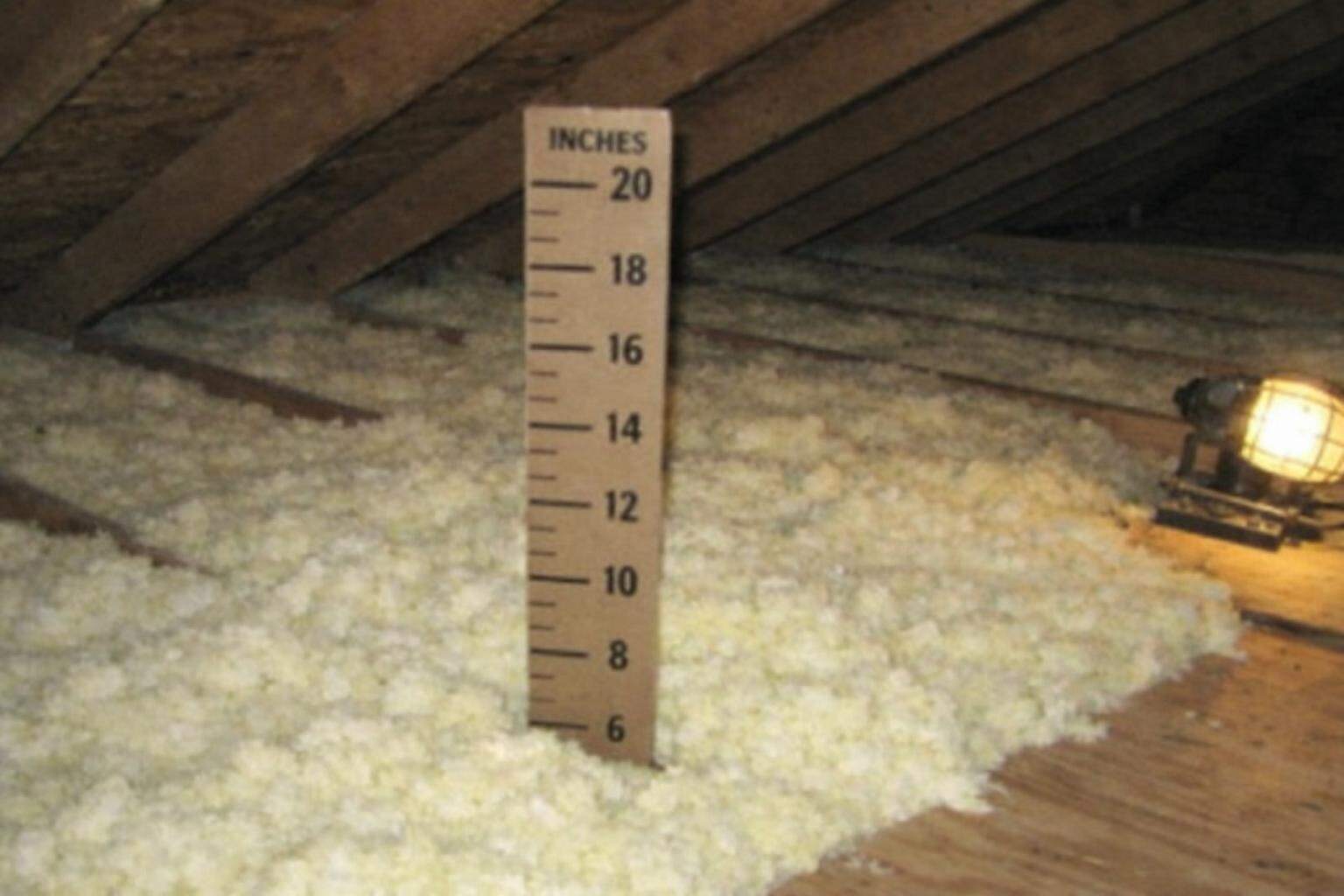
- Re-blow: fresh blown-in fiberglass or cellulose to a stated depth, with a depth card or ruler left in place so the figure can be checked.
Cleanup without replacement is a separate and often sufficient outcome, covered on attic cleanup. Sealing the roofline so it does not happen again is rodent exclusion.
When the insulation needs replacing and when it does not
Two conditions call for removal, and everything short of them is a cleanup job.
Material crushed flat drops below its rated R-value and material holding moisture performs badly, both per the Department of Energy. Those two conditions are the whole test. Loose fill trodden into a travel run has lost its depth for good, because blown material does not spring back, and the strip above a rat highway is effectively uninsulated. Loose fill that has taken urine has both a thermal problem and an odor problem, and there is no way to wash it.
So the judgment is about area. One or two runs across a 1,700 square foot attic means those strips come out and the depth is restored locally, which is a modest line on a quote. Runs crossing the whole attic, nests in several bays, and a smell noticeable from the pull-down usually means the lot goes. The honest middle case is a partial removal, which is a legitimate answer and should be described by square footage rather than as replacing the insulation.
Age is worth raising separately. Plenty of Dallas attics carry thin 1960s or 1970s insulation that was below current recommendations before any rodent arrived. If the material is coming out anyway, bringing the new depth up to a modern figure costs very little more than matching what was there, and it is the one moment in a house's life when doing so is easy.
Fiberglass or cellulose in a Dallas attic?
Both are normal here and the choice comes down to handling, weight and what was there before.
| Consideration | Blown fiberglass | Blown cellulose |
|---|---|---|
| Material | Spun glass fiber, usually with a pink or white cast | Recycled paper fiber treated with fire retardant |
| Weight on the ceiling | Lighter, which matters on older framing | Heavier, and it settles over the years |
| Moisture behavior | Sheds water and dries, although it performs poorly while wet | Absorbs water and holds it, so a roof leak is more consequential |
| Air resistance | Looser, so air movement through it matters more | Denser, which slows air movement through the layer |
| Typical use after rodents | The common choice, especially where a radiant barrier stays | Used where it matches the existing material or the owner prefers it |
Neither material resists rodents. Both get tunnelled and nested in, and the only thing that stops that happening again is the sealing at the roofline. Anyone selling an insulation product as rodent proof is selling something that does not exist.
The depth is the number that matters more than the material. Ask what depth is being blown and what that corresponds to, and ask for a depth card or a ruler to be left standing in the attic so it can be checked afterward rather than taken on trust.
What happens to the radiant barrier?
It normally stays, and in Dallas that matters more than it would further north.
Radiant barrier retrofits are a large local market because of summer heat, with foil stapled to the underside of the rafters or a reflective coating applied to the decking. The barrier is not insulation: it reflects radiant heat rather than resisting conducted heat, and it sits well above the ceiling plane where the loose fill lies. Removing and re-blowing insulation underneath a rafter-mounted foil barrier is ordinary work and the barrier is left alone.
Two things do come up. Foil that rodents have chewed or pulled loose along a run gets documented and can be re-stapled or patched, which is cheap while the crew is up there. And a barrier laid flat over the top of the existing insulation, which some installations do, has to be lifted before removal and either reinstalled or replaced; that should be a visible line on the quote rather than a surprise.
The other Dallas-specific item is the ductwork. Flex duct running through a hot attic is frequently chewed by rodents at the insulation wrap, and with the loose fill out of the way the whole run is visible for the first time in years. A damaged duct is an HVAC repair rather than an insulation line, and having it found at this stage is the silver lining of the job.
What insulation replacement costs in Dallas
Removal and replacement is priced by the square foot, which makes it the easiest rodent line to check against a published figure.
| Line item | Published band | Source |
|---|---|---|
| Insulation removal and replacement | $2.50 to $5.50 per square foot | HomeGuide 2026 national |
| Attic cleanup and decontamination | $600 to $2,500 | HomeGuide 2026 national |
| Full restoration, heavy case | $3,000 to $10,000 or more | HomeGuide 2026 national |
| Typical Dallas rodent removal job | $224 to $1,192, average near $693 | Angi's Dallas figures |
Run the arithmetic before the quote arrives. A 1,600 square foot attic at the published national band works out between four thousand and nearly nine thousand dollars for a full removal and replacement, which is why partial removal is worth asking about and why the square footage on the quote matters more than any other figure on it. A 300 square foot partial at the same rate is a far smaller number.
What moves a quote inside the band: existing depth, because removal is a volume job; access, since a pull-down in a hallway is slower than a walk-in; whether air sealing at the top plates is included; the new depth being blown; and whether a barrier has to be lifted. Each band is a typical-job figure, and the free inspection produces the quote with the measured area on it.
Why Dallas attics come up for replacement so often
Loose fill, a long hot season and a long rodent season combine here.
The standard Dallas attic is vented, decked with plywood or OSB under composition shingles, and insulated with blown-in fiberglass or cellulose between the ceiling joists. Loose fill is the material rodents damage most, because it can be tunnelled rather than merely walked on, so a Dallas attic carrying rats for a season shows more damage than an equivalent attic insulated with batts.
The season is long. Mild winters mean breeding runs most of the year, calls climb with the first cool fronts in late September or October and peak November through February, which means a typical infestation has four or five months in the attic before anyone calls. That is enough time for runs to form across several bays.
Summer then supplies the motive for doing the work properly. With outside temperatures above a hundred degrees for weeks, a shallow or compressed layer over the ceiling is expensive every afternoon, which is the same reason radiant barriers sell here. Restoring depth after a rodent job is a thermal repair as much as a sanitary one, and it is the only time the attic is empty enough to do the air sealing at the top plates that makes the new depth count.
What to ask about an insulation quote
Six questions, and the first two are the whole comparison.
- What square footage is coming out? Partial or full changes the figure several times over.
- What depth is going back in? A number, with a depth card left in the attic to verify it.
- Is the sanitizing before the re-blow included? New material over contaminated framing keeps the smell.
- Is air sealing at the top plates in the price? It is cheap while the attic is bare and expensive afterward.
- Does the barrier have to be lifted, and who reinstates it? Ask at the quote stage rather than at the end.
- What happens to the ductwork if it is found chewed? A referral to an HVAC trade is a fine answer; silence is not.
On credentials, insulation removal and replacement is restoration and building work rather than pesticide application, so the Texas structural pest control license applies only to the rodent side of the job. Texas regulates structural pest control through the Texas Department of Agriculture, and rodents are expressly within that scope, so a contractor placing bait must hold a TDA license under a business with a TPCL number, while live trapping and nonpesticidal barrier work are exempt under Occupations Code section 1951.058. The contractors we route hold a TDA license where the work requires one. Ask for proof of insurance, since this job involves a vacuum truck, a blower hose and several hundred pounds of material moving through your house.
The about page covers how the dispatch works; the contact page has hours and the downtown address.
Services that usually run alongside this one
A Dallas rodent job is a sequence of separate lines on one quote, and these are the pages for the steps around this one.
- Attic Cleanup and Decontamination: Vacuuming out the droppings and nests, bagging the soaked loose fill, then treating the deck.
- Rodent Exclusion: Closing the roofline, the weep holes and the garage door to the quarter-inch standard.
- Roof Rat Removal: Trapping the attic rat that dominates Dallas, sequenced with sealing the roofline.
The order these steps run in is set out on the about page, and a dispatcher will talk it through on the phone at whatever hour you call.
When insulation has to come out
How to tell whether the material is finished.
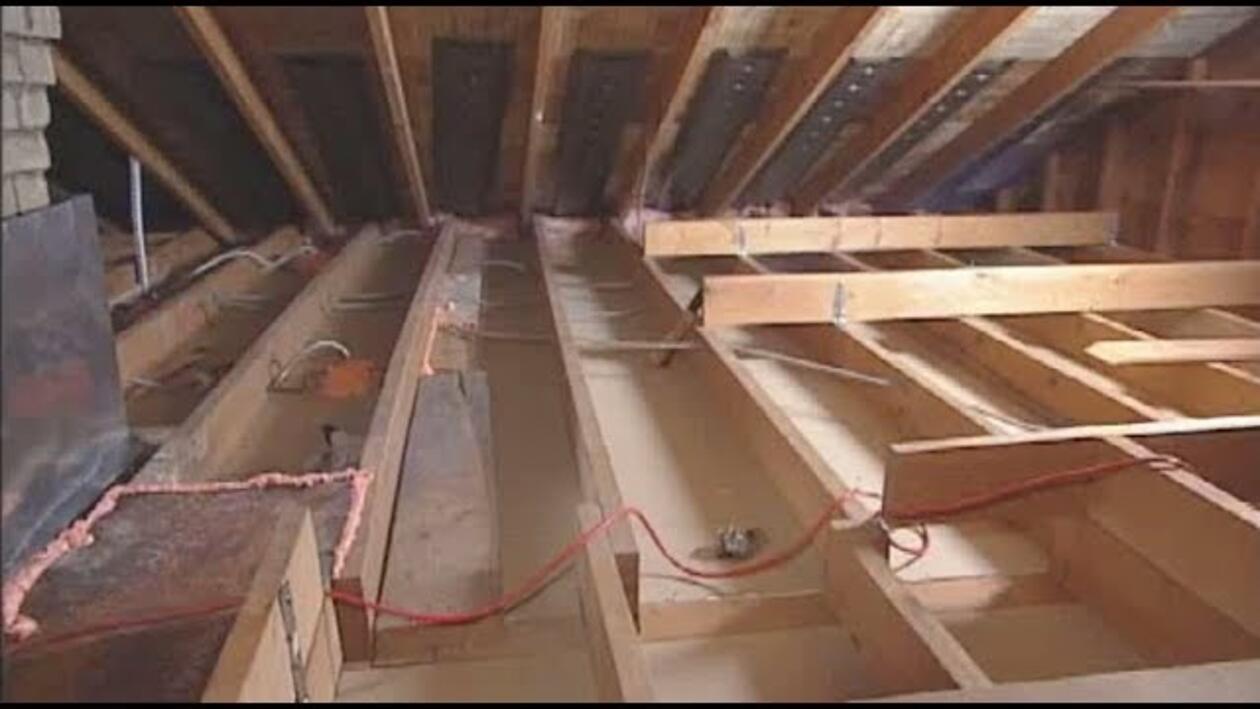
Video: When Should You Remove Old Attic Insulation?, from CrewcutTV.
How an insulation replacement runs in Dallas
Five stages, scheduled only after the roofline is closed so the new material is not paid for twice.
-
Confirm the attic is sealed
Replacement follows the trapping and the sealing. Blowing fresh material into an attic with an open soffit return is the most expensive mistake available on this job.
-
Measure and photograph
The affected area is measured, the existing depth is recorded, and the condition is photographed, which sets the square footage the quote is built on.
-
Vacuum the old material out
Loose fill removed into bagged waste with the droppings and nesting material, and the deck, ducts, wiring and can lights inspected once they are visible.
-
Sanitize and air seal
Framing and deck treated, then gaps at top plates, wiring penetrations and duct boots closed while the attic is bare and they can be reached.
-
Blow to depth
Fresh fiberglass or cellulose blown back to a stated depth with a depth card left standing so the figure can be checked afterward.
Why Dallas homeowners route insulation work through us
This is the largest line on most rodent quotes, so the figures behind it should be visible.
Quoted by measured square foot
HomeGuide's 2026 national guide puts insulation removal and replacement at $2.50 to $5.50 per square foot, which means the area is the price. A measured figure appears on the quote rather than a description, and a partial removal is offered where only a few runs are affected. On a 1,600 square foot attic the difference between a full removal and a 300 square foot partial runs into thousands, so the measurement is the number to check first.
HomeGuide 2026: $2.50 to $5.50 per square foot, removal and replacement
Sanitize before anything new goes down
Fresh loose fill blown over contaminated framing buries the problem and keeps the odor, which is the complaint homeowners report most often after a cheap replacement. The deck, joists and top plates are treated once the old material is out and before the blower hose comes in, and nests found at the top of wall cavities and in soffit boxes are removed at the same time. The CDC describes rodent disease spreading directly through contact with urine, droppings, saliva or a bite.
CDC on direct contact with rodent urine and droppings
Depth stated and left checkable
The Department of Energy states that compressed insulation does not deliver its rated R-value, which is the reason the old material is coming out at all, so the new depth is the point of the exercise. The quote names a depth, the blow is taken to it, and a depth card or ruler is left standing in the attic so the figure can be read afterward. Air sealing at the top plates goes in while the attic is bare, since that is what makes the depth perform.
US Department of Energy on compressed insulation and rated R-value
What Reddit Says About Replacing Rodent-Damaged Insulation
Insulation is the line homeowners online argue about most, because it is where the numbers get big and where the scope is easiest to inflate.
The loudest theme is the spread in quotes. People describe attic restoration bids for what they believed was the same work ranging from a couple of thousand dollars to tens of thousands, and the advice that follows is always the same: get the square footage in writing and get the rate, because without those two numbers the bids cannot be compared at all. Several posters report being quoted a full removal and then finding, on a second opinion, that only a few hundred square feet were affected.
The second theme is sanitizing. People who had fresh material blown straight over old droppings describe a smell that stayed, and the recommendation is to ask explicitly whether the deck and framing are treated between the removal and the re-blow. The third is air sealing. The more experienced voices in these threads point out that an empty attic is the only easy opportunity to seal the top plate gaps and duct boots, and that paying for depth without that step gives back a good part of the benefit.
Insurance comes up often, with mixed outcomes and one consistent lesson: photograph everything before the work, because once the attic is clean there is nothing to show an adjuster. People also warn each other that rodent damage coverage varies between policies and is worth reading before assuming.
The last recurring point is a warning about sales language. Nobody in these threads believes an insulation product can be rodent resistant, and the posters who were told otherwise describe finding runs through it the following winter. What stopped the problem, in every account that reports success, was the sealing at the roofline.
The contractors we route measure and photograph before quoting, sanitize between removal and re-blow, include the top plate air sealing while the attic is bare, and leave a depth card standing so the figure can be checked.
A typical insulation replacement on a 1970s house in Garland
The situation: a single-story brick house on a slab with a 1,500 square foot attic, trapped and sealed in January after a bad winter. Loose fill fiberglass around four inches deep, flattened into wide runs in three directions, two nests, and a clear smell from the pull-down.
What gets done: the measure puts contamination across most of the attic, so the quote is a full removal at the published per-square-foot rate with the figure and the area both shown. The old fiberglass is vacuumed out into bags along with the droppings and nests. With the deck bare, two chewed flex duct runs are found and photographed for the owner's HVAC contractor, and a gap at the top plate above the hall closet, which had been a route into the wall, is closed with metal and sealant. The framing and deck are sanitized, the top plate gaps and duct boots are air sealed, and fresh fiberglass is blown back to a deeper figure than the house had before, with a depth card left standing near the hatch.
How it turns out: the smell is gone, the ducts are repaired separately by the owner's own contractor, and the summer cooling bill is the part the owner mentions when the follow-up call comes.
Insulation questions from Dallas homeowners
What comes up once the removal figure appears on a quote.
Scope and materials
Does all of the insulation have to come out?
Usually no, and the area is the question to press on. What has to come out is the loose fill flattened into travel runs or soaked with urine, because the Department of Energy puts compressed insulation below its rated R-value and wet insulation at poor performance. On many Dallas attics that is a few hundred square feet rather than the whole ceiling. Ask for the measured affected area and for a partial option, because at HomeGuide's national rate of $2.50 to $5.50 per square foot the difference is thousands of dollars.
Is there an insulation that rodents will not tunnel into?
No, and a claim otherwise is worth treating as a warning about the rest of the quote. Blown fiberglass, cellulose and batts all get tunnelled and nested in, and so does the foam that sometimes gets offered as an alternative. The thing that keeps rodents out of an attic is the closure at the roofline: soffit returns, gable and ridge vents, roof returns, builder gaps and plumbing stacks, all sealed to the quarter-inch standard UF/IFAS publishes. That work is described on rodent exclusion.
How long does the job take?
Most Dallas houses are one to two days. Removal is the slow half, because it is a volume job governed by existing depth and by access, so a deep attic reached through a pull-down in a hallway ceiling takes longer than a shallow one with a walk-in entry. Sanitizing needs a short dwell time before the re-blow. Summer scheduling is limited by attic heat, and crews generally start early in July and August.
Sequence and paperwork
Can the insulation be done before the sealing?
It can be, and it is the most expensive order to choose. Fresh loose fill in an attic with an open soffit return gets tunnelled again within a season, and the money is gone. The sequence that holds is trapping, then sealing, then cleanup, then replacement, with two empty trap checks before the attic is closed up. If the budget only stretches to part of it now, do the sealing and the cleanup and leave the depth until later.
What documentation comes with the work?
Photographs of the condition before removal and of the bare deck afterward, the measured affected area, the depth blown back in, and a note of anything found while the deck was exposed, such as chewed duct wrap or a top plate gap. That is what an insurance adjuster asks for and what a buyer's inspector will accept later. If a sale or a lease needs something more formal, the clearance letter records the whole condition on a date.
Still have a question? Call (214) 203-5726 and ask.